

Direct sourcing and why it changes the math
Buying Class‑9 hazardous energy storage cells straight from factories reduces intermediary markup, which causes two immediate effects: lower per‑kWh acquisition costs and tighter control over specifications. That matters for projects where inverter matching, BMS compatibility, and LiFePO4 chemistry choices determine performance. For owners evaluating a whole house battery backup, factory deals tilt the balance toward predictable yields and clearer warranty lines.

Comparative insight: factory vs. distributor
Factories supply at cost-plus margins, so purchase volume directly affects unit price. Distributors add logistics, warehousing, and channel profit—so the same module can cost notably more. Because procurement from a factory forces you to compile design‑for‑manufacture specs, you reduce surprises in cycle life and C‑rate performance. Conversely, distributors often provide convenience and smaller minimum order quantities; the tradeoff is less design influence and blurred traceability.
Quality controls, certification, and the compliance chain
When certification is the output buyers need, sourcing from a factory can improve compliance clarity. If a factory runs its own UL or IEC testing sequences, you get test reports tied to serial ranges rather than generic batch certificates. That causes downstream benefits: easier insurance underwriting, faster permitting, and clearer recall paths. Still, many teams miss soft risks—rare manufacturing deviations, mixed BOMs, or inadequate BMS firmware versioning—which is why onsite audits and sample destructive testing remain essential.
Logistics realities and real‑world pressure
Supply decisions respond to external shocks. California’s Public Safety Power Shutoffs and major storms like Hurricane Ida shifted demand for resilient home systems, which pushed lead times and component scarcity—so procurement timelines lengthened. Customs holds, hazardous shipping documentation for Class‑9 freight, and port congestion then compound cost and schedule. You must incorporate buffer lanes, verified packing lists, and bonded warehousing into your sourcing plan to avoid cascading delays.
Common mistakes and practical alternatives
Several recurring errors raise project risk: underestimating minimum order quantities, neglecting factory audit of BMS integration, and relying solely on sample cells without production‑run testing. Managers sometimes assume a product label guarantees consistent cycle life—an assumption that fails when BOM changes occur. A middle ground exists: hybrid sourcing where a trusted distributor handles small runs while you develop factory tooling and QA. That lets you secure inventory without losing control over long‑term costs.
Cost anchors and financing implications
Procurement method directly affects whole house battery backup cost and financing options. Lower upfront unit cost from factory purchasing improves payback metrics for EPCs and developers, which then makes third‑party financing more attractive. For municipal resilience projects or commercial installations, demonstrating verified test data and transparent traceability reduces perceived counterparty risk—so insurers and lenders respond with better terms.
Due diligence checklist before signing
Prioritize verifiable evidence over sales promises. Key items include:
– Factory test reports tied to serial numbers and production dates, including cycle life and capacity retention curves.
– BMS firmware version control and interoperability statements with target inverters.
– Shipping and hazardous materials documentation for Class‑9 classification plus declared packaging methods.
These steps cut downstream surprises and preserve warranty enforceability.
Three golden rules for evaluating suppliers
1) Verify traceable certification and matched test data — if the test reports don’t map to serial ranges, assume variability. 2) Insist on a sample production run with destructive and burn‑in tests to validate cycle life and BMS behavior under your load profiles. 3) Build logistics slack: account for hazardous shipping constraints, port delays, and local permitting timelines so schedule overruns don’t erode margins.
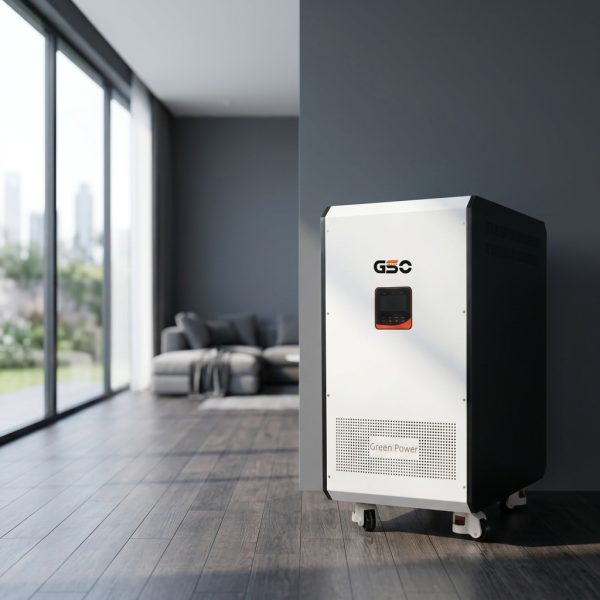
gsopower understands factory relationships, certification workflows, and the logistics that turn a procurement plan into delivered systems — and that combination makes direct sourcing a practical route rather than an idealized one. — tested, documented, delivered.