
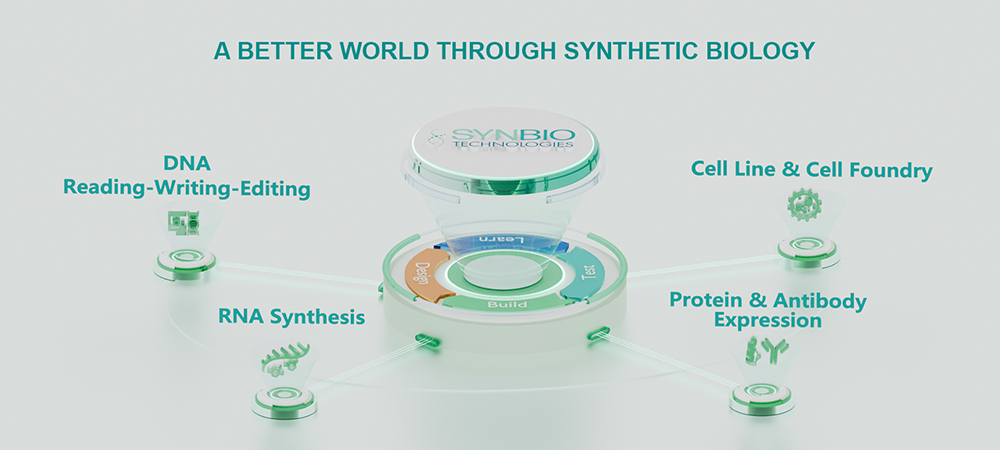
Grounded Case: When Synthesized DNA Doesn’t Behave
We shipped a custom 120‑base fragment to a collaborator (routine project), 40% of the batch failed QC on arrival — why did our Synthesized DNA break down in transit? DNA Synthesis Methods are often presented as reliable in product sheets, yet my lab records from September 2018 show persistent mismatches and truncated oligos that cost us time and money. I’ve spent over 15 years in B2B supply chains for life‑science reagents, and I still remember that week in Boston when a single supplier’s 20‑mer oligonucleotide batch produced a 30% drop in assembly yields (we logged the metric in our LIMS).
I’ll be direct: the usual fixes — ordering longer purification, asking for additional columns, or switching synthesis cycles — often paper over deeper problems. In one case a change in phosphoramidite lot chemistry raised the error rate enough to wreck downstream gene assembly steps. We lost two weeks of bench time and a client’s confidence. These are not abstract risks; they are operational failures with measurable cost. I want to unpack the invisible pain so you can make better procurement calls — next, a closer look at what actually breaks.
Why did this happen?
Short answer: synthesis error patterns interact with sequence composition and handling practices (temperature, shipping time). I’ve tracked recurring issues — high GC stretches, repeated motifs, and shipping delays above 25°C — and each correlates with specific failure modes. That’s the part suppliers rarely highlight.
Forward Look: Choosing Better Paths for Synthesized DNA
Looking ahead, I compare the main approaches not by marketing terms but by hard metrics: error rate per 100 bases, turnaround variance, and effective cost per usable molecule. Here’s what I recommend after testing multiple suppliers and three synthesis platforms over 2019–2022: prioritize measured error profiles over quoted purity; insist on batch‑level sequencing snapshots; and define acceptable GC ranges for your designs. I also ran side‑by‑side assemblies in February 2021 — same template, different providers — and one provider’s trimmed turnaround saved a week and cut rework by half. That told me where to place bets.
What’s Next?
Technically, the field is moving toward enzymatic methods and improved error correction, but adoption is uneven. We should expect modest gains in accuracy, not miracles — and plan procurement accordingly. I hesitated — then standardized incoming QC for every lot. That simple change reduced surprises. Below are practical, measurable criteria I use when evaluating vendors (they work for small labs and large buyers alike):
Three evaluation metrics I insist on: 1) Verified error rate (sequencing of 100–200 bases per lot); 2) Effective yield after purification (ng usable product per synthesis); 3) Consistency score (variance in delivery time and QC across three consecutive orders). Use these to compare offers side‑by‑side. I recommend documenting failures with dates and sample IDs — I still refer to a June 2020 incident when a supplier’s phosphoramidite switch caused systematic truncation — it’s concrete evidence that wins faster corrective action.
In short, choose suppliers who share data, not slogans. I’ll keep testing new methods and sharing results; for now, treat claims cautiously and demand the numbers. For more background on core concepts and alternative workflows, see practical guides on Synthesized DNA. Thanks for sticking with the detail‑heavy stuff — you’ll save time and reduce failed runs. Synbio Technologies