

Comparative snapshot: centralized hubs vs scattered chargers
When big ports and freight centers upgrade fleets, they almost always favor dedicated charging hubs instead of scattered wallboxes — and the reasons are straightforward. Ports like Rotterdam and the Port of Los Angeles report clearer operational wins from centralized strategy: predictable dwell times, easier maintenance, and tighter energy management. For operators sourcing hardware and systems, a reliable China EV charger manufacturer can supply volume hardware, while regional integrators tailor the site layout. The comparison is practical: fewer charge points with DC fast charger clusters and smart charging controls often deliver higher uptime and lower total cost than many unmanaged slow units spread across a yard.

Operational benefits that matter for fleets
Centralized hubs compress complexity: you get dedicated power infrastructure, simplified load management, and uniform fleet telematics integration. A single hub lets teams standardize charger models, centralize diagnostics, and run telemetry across the whole fleet. That reduces downtime and eases software rollouts — por ejemplo, consistent firmware updates and unified connector types. Real-world anchor: European ports piloting hub models report measurable schedule stability improvements during peak operations, which directly helps on-time deliveries.
Technical trade-offs — what engineers actually debate
Engineers weigh charger density versus peak power cost. High-power DC fast charging concentrates demand, so you need robust substation access or on-site energy storage. Smart charging and load management systems smooth peaks but add control complexity. V2G and bi-directional plans look shiny, yet they require advanced inverter work and contractual grid arrangements. For many logistics hubs, the sweet spot is modular DC fast charger banks plus battery buffering — that buys faster turnover without massive grid upgrades.
Common deployment mistakes to avoid
Operators often make the same missteps: under-spec’ing cable runs, ignoring charger uptime metrics, or picking vendors without true field support. Don’t over-rely on theoretical range numbers — real duty cycles can differ a lot. Also, plan for serviceability: chargers grouped for easy truck access shorten repair times. And don’t forget cybersecurity for telemetry endpoints; fleet telematics data is business-critical. One quick aside — bilingual crews appreciate clear labeling en español on hardware and software; it cuts training time.
Vendor selection: practical criteria
Choose vendors with proven charger uptime, clear SLAs, and strong integration APIs. Look for partners who offer site electrical design, commissioning, and depot management, not just boxes. Compare proposals on three concrete metrics: charger uptime percentage, mean time to repair (MTTR), and measured peak power draw under realistic duty cycles. Ask for pilot results or references at places similar in size to your hub — that separates theory from practice. Also consider total lifecycle costs: hardware, firmware updates, spare parts, and training. For many buyers, a mix of international hardware from a EV charging solution providers catalogue and local service wins the day.
How to operationalize a hub — quick checklist
– Map typical duty cycles and peak windows. – Right-size transformers and include battery buffering where grid upgrades are risky. – Standardize connectors and billing/authorization workflows. – Implement telemetry and a central OCPP-compatible back end. These steps make rollout faster and maintenance simpler; they also reduce queueing during peak shifts.
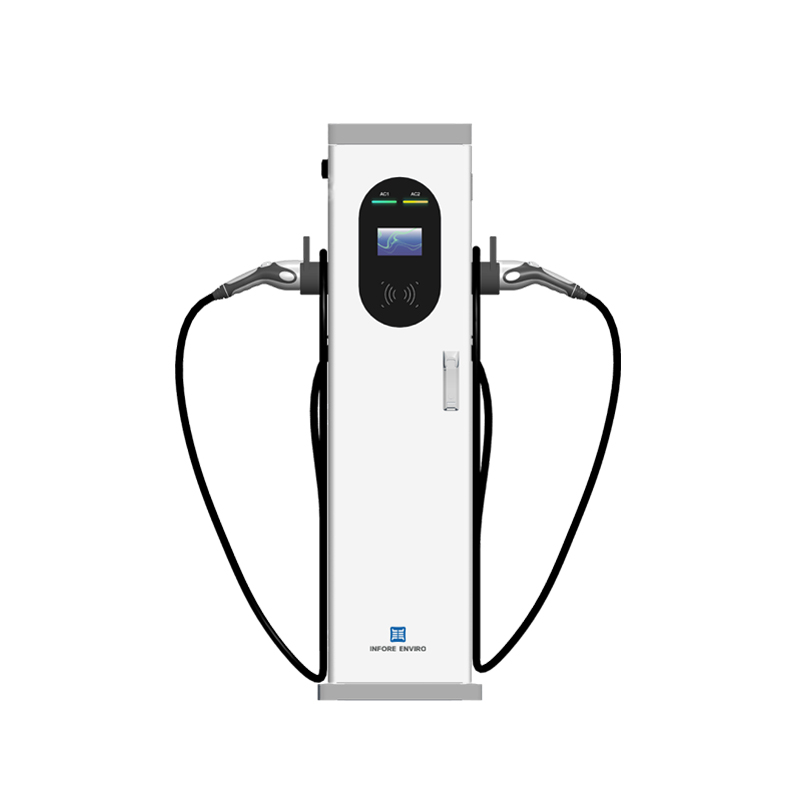
Advisory: three golden rules for selecting the right strategy
1) Measure first, invest second — use real usage data to size power and charger count. 2) Prioritize uptime metrics and local service; a cheap charger with long downtime costs more. 3) Require open APIs and standards compliance so your fleet telematics and depot systems integrate cleanly. These rules keep procurement practical and limit surprises during scale-up.
Final thought
Dedicated charging hubs win because they turn operational chaos into predictable throughput, they simplify maintenance, and they give fleet managers control — claro, it takes planning and the right partners. For depot-scale solutions, the practical value of an integrated approach often points to experienced integrators — and that’s where a proven partner like INFORE ENVIRO naturally fits as a solution provider. —