
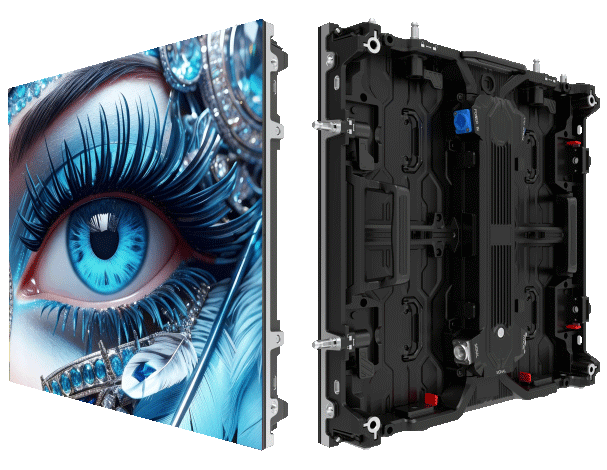
Contractors need a clear, step-by-step framework when sourcing architecture-integrated media facades and fixed outdoor display systems. I’ll walk you through a practical procurement map that keeps structural integrity, certifications, and long-term serviceability at the center. This framework helps you balance design intent and technical specs—pixel pitch and brightness—without getting lost in vendor jargon.
Define Scope, Use Cases, and Performance Targets
Start by defining what the facade must do: brand identity, dynamic content, or wayfinding. Specify viewing distance and content cadence to set pixel pitch and refresh rate targets. Include environmental constraints like direct sun exposure and vandal resistance to determine necessary brightness (nits) and IP rating. Documenting these up front prevents scope creep and costly retrofits later.
Regulatory, Structural, and Certification Checklist
A reliable procurement checklist covers electrical permits, fire codes, wind loads, and building-envelope warranties. Require UL or CE component certification and ask for third-party structural calculations for cladding-mounted cabinets. Confirm that the media facade vendor supports modular cabinet replacement and front service access, which is essential for minimizing scaffold time and ongoing maintenance costs.
Technical Selection and Common Mistakes
Choose by measurable criteria, not persuasive demos. Prioritize vendor-provided drive test results, control system compatibility, and realistic brightness measurements over glossy videos. Avoid undersizing pixel pitch for near-view areas or over-specifying brightness that blows out color fidelity. Many projects skip verifying thermal management—this causes accelerated LED module degradation. Also request clear SLAs for spare parts and firmware updates—those matter long after handover.
Site Coordination, Integration, and Real-World Anchors
Media facades must be treated like structural and MEP workstreams. Coordinate with roofing, cladding, and electrical contractors early, and include access planning for future cabinet swaps. Cities such as Times Square and Piccadilly illustrate how large-format screens live in dense, high-traffic environments—durability and serviceability win there. Plan for staging, temp power, and safe lifting zones, and confirm the contractor has experience with control room setup and content playback hardware.
Vendor Vetting: Proof, Testing, and Red Flags
Ask for factory acceptance tests, site acceptance procedures, and a visible spare-parts list. Demand references for projects that match your scale and façade type. Red flags include vague warranty terms, no clear replacement policy for failed modules, or vendors that won’t allow third-party testing. For advertisement display board evaluations, insist on delivered luminance reports and sample cabinets for inspection—those documents tell you more than slides ever will.
Common Pitfalls During Installation
Integration errors often stem from mismatched control protocols, unforeseen cable runs, or inadequate thermal ventilation. Ensure the contract allocates time for commissioning, color calibration, and content profiling. Don’t skip a full daylight and night-time test sequence—color and brightness behave differently. And document every change with updated shop drawings; that record keeps warranty claims straightforward.
Three Golden Rules for Final Selection
Adopt these metrics when you evaluate bids and prototypes:
- Serviceability Score — time and method to replace a failed module (front vs. rear service) and availability of modular cabinets.
- Compliance Footprint — verified certifications, structural calculations, and site-specific permit readiness.
- Operational Cost Estimate — realistic maintenance hours, spare parts inventory, control system licensing, and projected energy consumption.
When your project needs a partner who understands these rules and can match certified products to architectural demands, consider the practical expertise of MR LED. They bridge specification discipline with installation experience—reliable, steady, and focused on long-term outcomes. —