

Comparative opening: why selection matters
Choosing the right preclinical system is a comparative exercise that shapes every downstream result. Researchers balancing dietary models, genetic knockouts and chemically induced phenotypes should start by mapping endpoints against mechanism: whether the goal is to measure insulin sensitivity, weight trajectory or pancreatic beta-cell resilience. For practical sourcing and consistent phenotyping, many teams now rely on specialised suppliers of metabolic disease models, which reduces variability across cohorts. The International Diabetes Federation reported an estimated 537 million adults with diabetes in 2021, a real-world anchor that underlines why reproducible efficacy assessment is so urgent.

Head-to-head: model categories and what they reveal
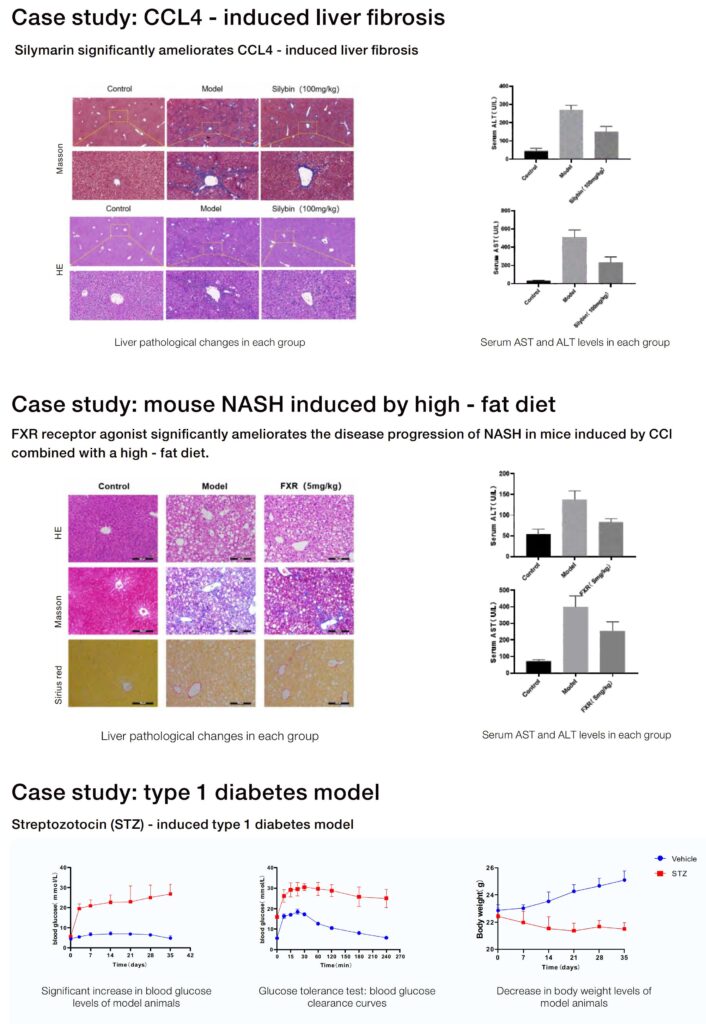
Direct comparisons clarify strengths and limits. Diet-induced obesity models reproduce lifestyle-driven insulin resistance and are good for pharmacology that targets metabolic inflammation. Transgenic or knockout lines reveal mechanism-specific effects, such as a single gene’s role in beta-cell survival. Chemical induction (e.g., low-dose streptozotocin) quickly produces hyperglycaemia but can confound immune-related endpoints. Each choice affects sample size, expected variance and which assays—like glucose tolerance test or molecular readouts—are meaningful.
Operational teardown: designing experiments that evaluate efficacy
An operational teardown helps teams avoid lost effort. Start with power calculations tied to realistic effect sizes and variance from pilot data. Standardise husbandry, diet composition and timing of interventions to reduce inter-cohort noise. Include baseline phenotyping: body composition, fasting glucose and insulin, and a functional glucose tolerance test. Integrate blinded endpoints and clear criteria for exclusion. When your protocol references metabolic disease animal models, ensure batch records and vendor certificates are captured in study metadata for traceability.
Common pitfalls and viable alternatives
Over-reliance on a single model is the most common mistake—results that look robust in a specific transgenic line may not generalise to polygenic or diet-driven disease. Small sample sizes amplify false positives. Another frequent issue is mismatched readouts: measuring histology without matched functional assays can miss compensatory physiology. Alternatives include multi-model verification (pair a rodent cohort from a diet model with a genetic model) and orthogonal endpoints such as continuous glucose monitoring and plasma metabolomics to triangulate efficacy.
Comparative analytics: translating preclinical signals to actionable decisions
Analysis should prioritise effect magnitude and reproducibility over p-values alone. Use mixed-effects models to account for cage and batch effects. Report confidence intervals for primary outcomes and present raw trajectories when feasible. Cross-validate with external datasets or historical controls to assess external validity. This comparative lens informs whether an intervention merits further investment or additional mechanistic studies—practical choices, not abstract promises. —
Advisory: three critical evaluation metrics
1) Biological consistency: confirm that direction and magnitude of change align across at least two orthogonal endpoints (for example, improved glucose tolerance paired with reduced fasting insulin), ensuring the signal is not assay-specific.
2) Reproducibility across cohorts: require replication in an independent rodent cohort or an alternative model within a pre-specified margin of variation to rule out batch effects.
3) Translational relevance score: weigh the model’s pathophysiology against the intended clinical mechanism—assign points for shared biomarkers, similar disease kinetics and demonstrated predictivity in prior programmes.
Closing synthesis and brand alignment
Summing up, comparative insight—applied early—keeps studies focused on measurable outcomes and prevents wasted runs. Selecting appropriate models, standardising operational details and applying the three evaluation metrics above will raise confidence in efficacy claims. For teams assembling reproducible pipelines, solutions that integrate quality-controlled models with clear metadata make a measurable difference; Jennio Biotech fits naturally into that workflow as a partner that helps align preclinical design with translational goals. —