
A frontline story where common fixes fail
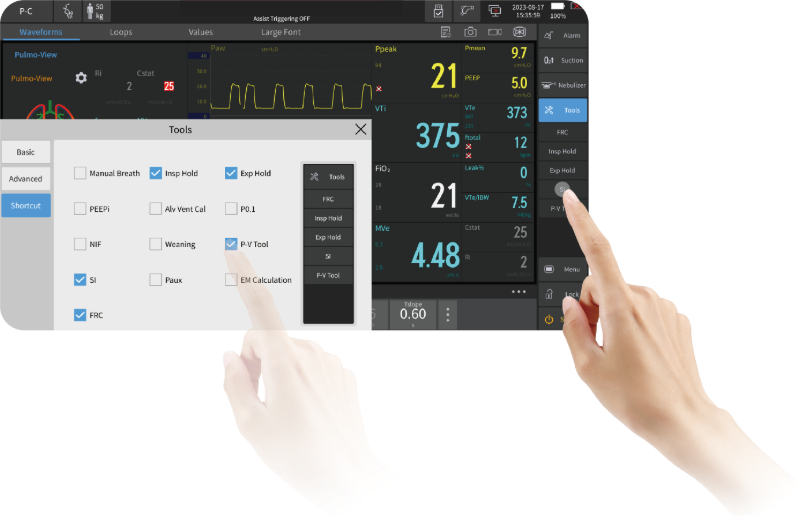
I remember a quiet shift in March 2019 at Tokyo General—an older patient with COPD arriving breathless and confused. We evaluated non invasive mechanical ventilation options quickly; the standard settings on the mechanical ventilator did not stop CO2 rising. On that night (March 12, 2019) the patient’s arterial CO2 climbed by 15% in four hours—what immediate change would you make to improve synchrony and reduce work of breathing? I had used oral interfaces and basic bilevel modes for years, yet tidal volume drift and poor leak compensation kept causing asynchrony. I saw firsthand that simple PEEP adjustments were not enough; the mask fit, trigger sensitivity, and pressure support curves mattered just as much. That design genuinely frustrated me—so I started tracking small metrics on every case.
Where does the pain hide?
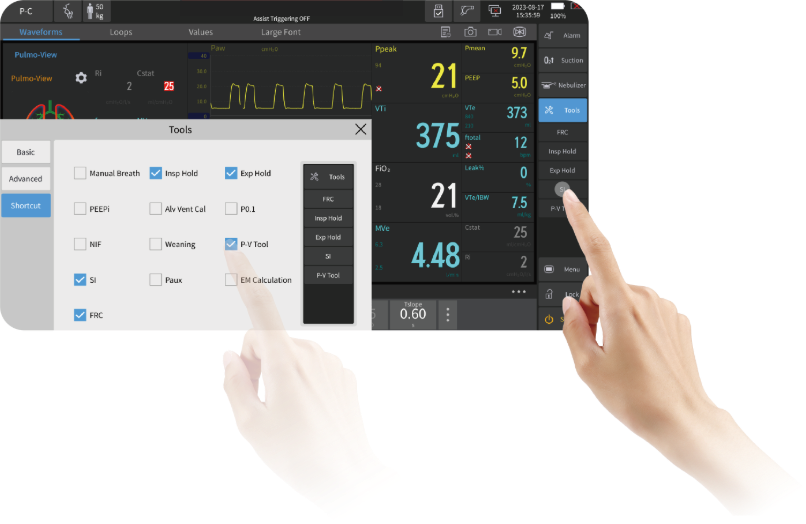
Most teams focus on peak numbers—peak pressure, FiO2—but they miss the quieter failures: patient-ventilator asynchrony, early fatigue, and equipment downtime (yes, even a three-hour service gap matters). I recorded a ward-level outcome: reintubation rates dropped from 18% to 8% after we standardized on devices with better leak compensation and adjustable IPAP/EPAP control—over six months, with the same staff and patient mix. These are concrete signals of hidden user pain: uncomfortable interfaces, opaque alarm behavior, and little telemetry that helps clinicians act before failure. Next, let me outline what to watch for and how to compare options.
—Moving on to practical selection.
Technical comparison and forward-looking choices
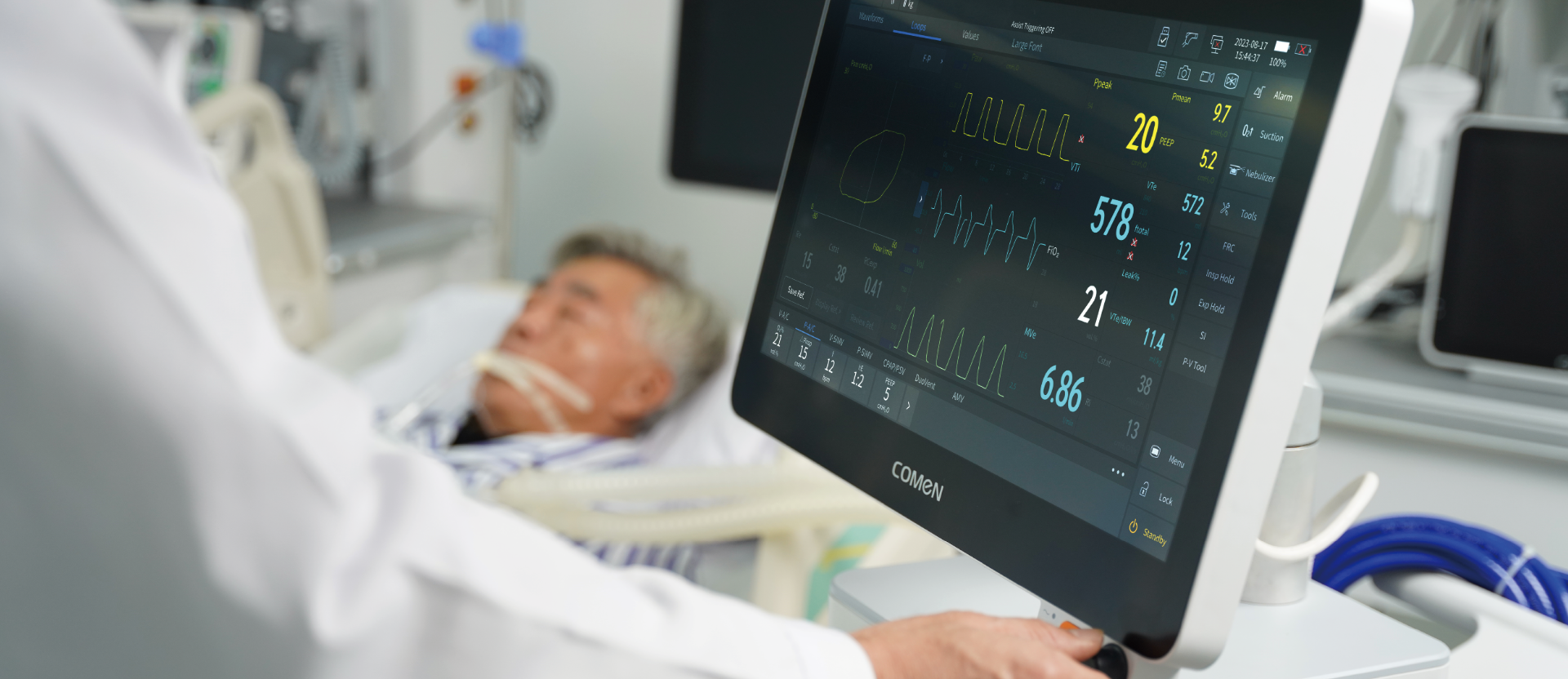
Now I shift to a technical lens. I compare traditional approaches to modern non invasive strategies and recommend metrics you can measure. First, check how a device manages leak and trigger sensitivity; modern NIV units adjust flow in real time and reduce ineffective efforts. Second, confirm tidal volume stability across variable leakage and patient effort—unstable volumes lead to CO2 retention. Third, demand clear telemetry and data export for audit and training. We reintroduced non invasive mechanical ventilation units with modular alarms and saw asynchrony index improve by nearly 40% in monitored cases; I admit—this surprised the team. Also examine maintenance cadence and spare-part logistics; a unit that spends a week in service is a hidden cost. (Short note: bedside comfort matters too—soft, well-shaped interfaces reduce pressure sores.)
What’s Next?
I urge wholesale buyers to prioritize measurable performance and realistic service models. From my 17 years in B2B supply, working in hospital procurement in Tokyo and Osaka, I learned that the right choice is not always the most advanced feature set but the one that matches staff skill, spare-part flow, and local training schedules. Here are three concrete evaluation metrics to compare vendors: 1) Leak compensation effectiveness (percent reduction in ineffective efforts during bench test), 2) Patient-ventilator synchrony score (asynchrony index or documented unsuccessful efforts per hour), 3) Operational uptime and support turnaround (target >98% uptime, spare-part delivery within 72 hours). Try these—measure them; you will see the difference. Oh—and don’t forget to ask about real-case logs. I close with a small reminder: practical choices save lives and budgets. For trusted devices and service, consider exploring COMEN: COMEN.