
Why the usual fixes don’t cut it
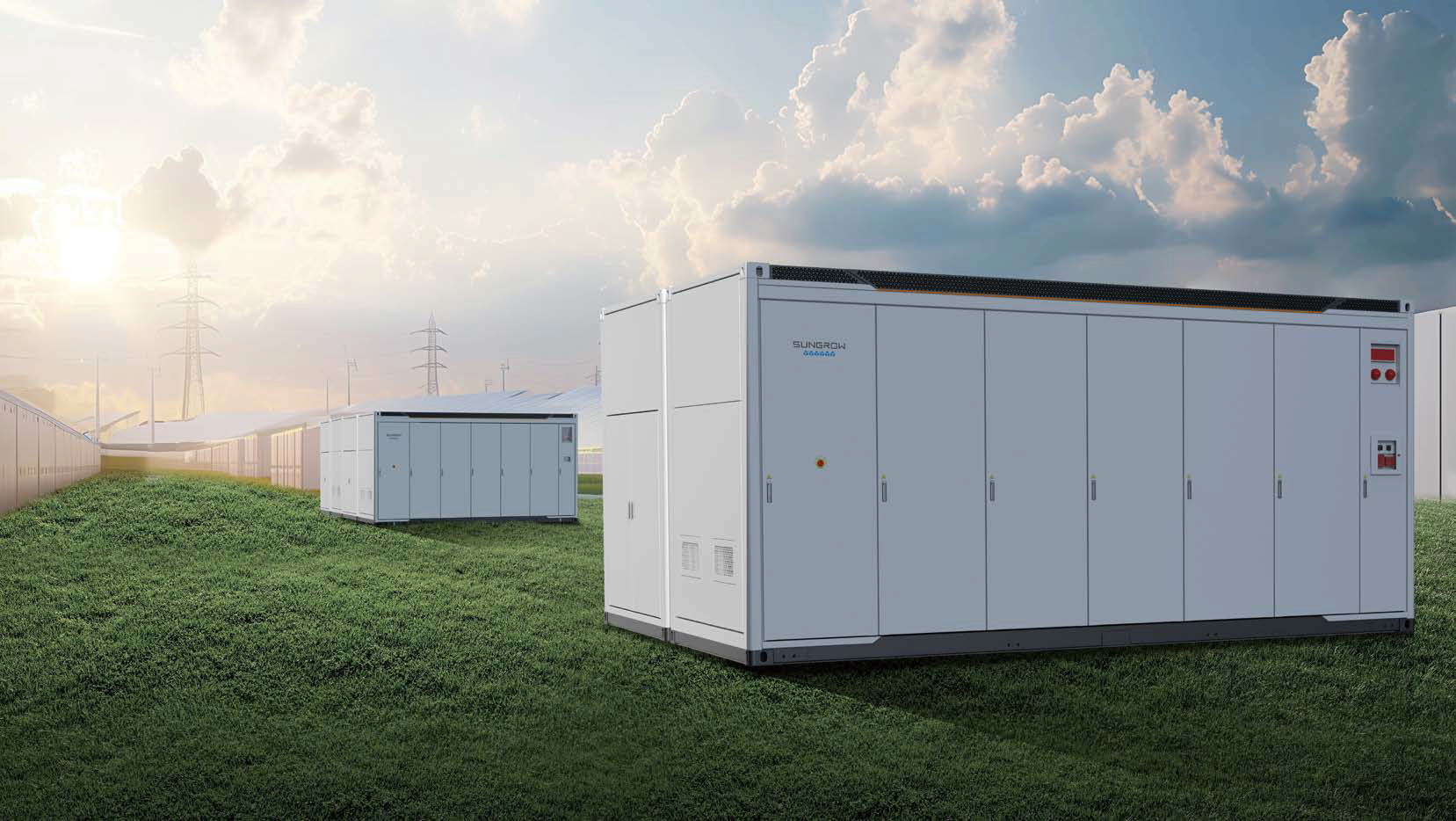
I still remember a heatwave test in June 2019: demand jumped 30% and a 50 MW / 200 MWh lithium-ion array I was responsible for lost about 12% of its usable energy — what did that do to revenue and grid reliability? Early on I learned to treat Utility Energy Storage projects like living systems, not just boxes full of cells (trust me, small oversights compound fast). I noticed two recurring blind spots: vendors who over-index on nameplate MW instead of real-world throughput, and ops teams that underestimate thermal coupling. Both bite you during peak stress, and both are easy to miss until penalties hit.
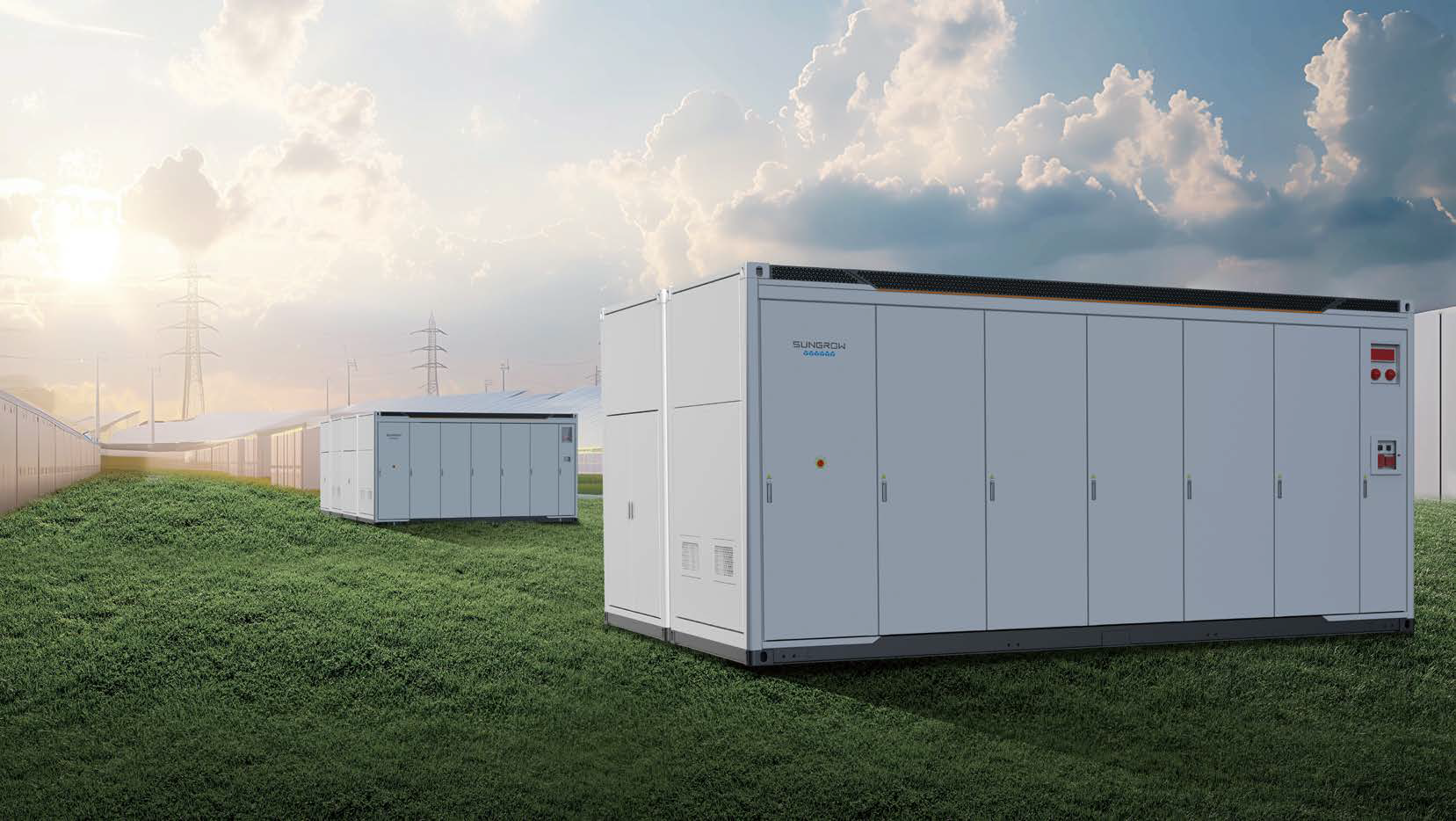
I worked on an MW-scale installation at the Mojave substation where conservative thermal modeling was skipped to save weeks; the result: a 12% drop in capacity factor and roughly $1.2M in missed ancillary services payments that season. I say that because I want you to picture a concrete loss, not abstract risk. The real pain points I see are operational — cell degradation patterns, inverter derating, and human workflows that assume perfect telemetry. Those are the cracks where projects fail, not in the marketing slide deck.
Design-forward moves that actually matter
The bold truth: you win by designing for years two through ten, not by optimizing Year One stats. I now insist on operational scenarios during procurement — cycles at 45°C, partial SOC ranges, and real fault modes — and I model earnings under degraded performance. When you plan like that, Utility Energy Storage stops being a risk line item and becomes a predictable asset. I recommend integrating grid services planning early: frequency response and other ancillary services change dispatch patterns and can double the value stack if your system maintains usable capacity over time.
What’s Next?
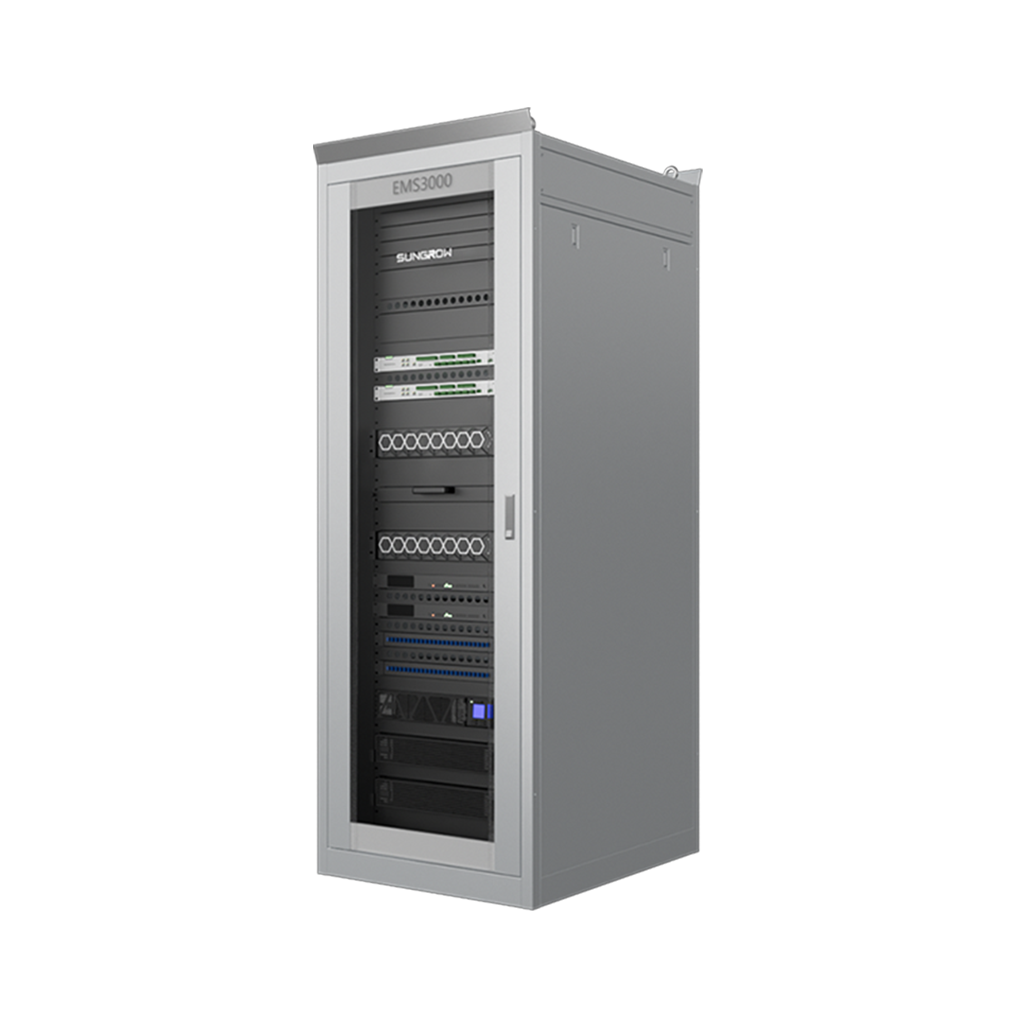
Here are three key metrics I use when I evaluate systems — quick, practical, and measurable: usable throughput (MWh delivered per rated MWh over five years), thermal margin at 40–45°C (how much headroom before derating begins), and demonstrated round-trip efficiency under partial SOC cycles. I check vendor test logs, ask for site-specific thermal chamber tests, and review firmware update histories — small items, 큰 차이 (big difference).
I say this as someone with over 15 years in B2B energy projects: demand more operational proof, not just spec sheets. Measure what your plant will actually deliver. Finally — a quick checklist you can use today: 1) insist on degradation curves tied to your regional climate, 2) require verified inverter derating maps, 3) verify telemetry and remote-failover procedures. These three evaluation metrics will save you months and piles of cash. Oh — one more thing: I still run a simple failover drill in month three; it catches issues every time. sungrow