
Deconstructing pharmaceutical glass tubing: where standard practice fails
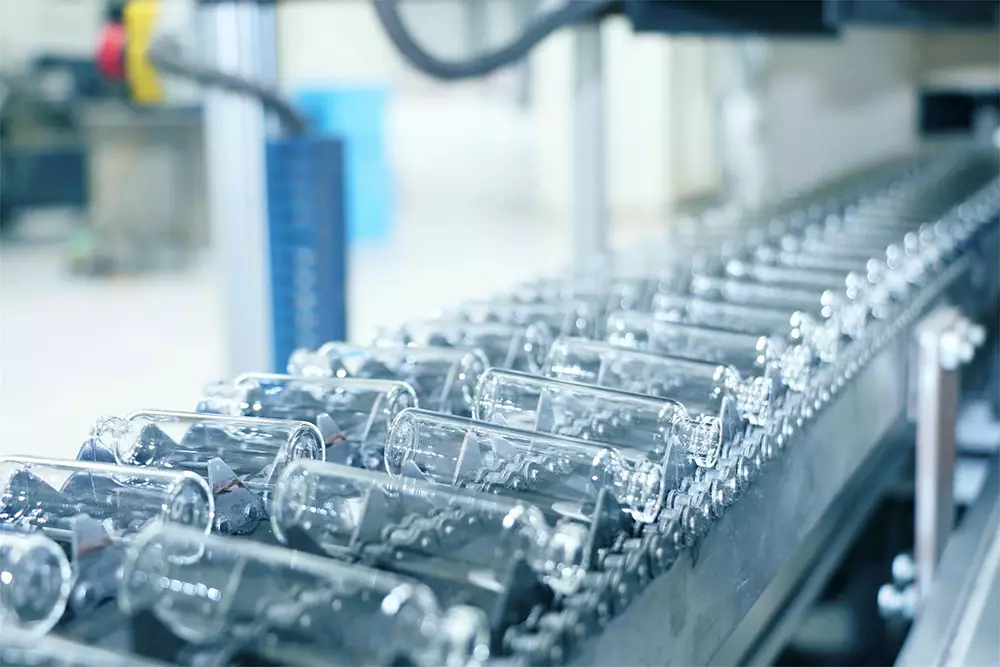
I start by defining the core item: pharmaceutical glass tubing — drawn glass intended for primary containment, typically Type I borosilicate with tight dimensional tolerances and controlled annealing. I use “pharma glass bottle” in daily specs and supplier conversations, because the final container performance always traces back to that raw tube. On a 2018 validation run in Basel (three lots, six-week test) we measured a 23% drop in breakage after adjusting the annealing ramp—does that point to tubing as the hidden variable? To be honest, many teams treat tubing as inert stock; that mindset creates two predictable problems: unseen micro-stress and inconsistent surface chemistry that later shows up as leachables or seal failures against rubber stoppers. I’ve handled a failed lyophilization campaign in Q2 2016 where warped tubes forced a line stop and cost a client €42k in contingency—so I focus on root technical factors: wall thickness variation, residual stress, and surface energy (silanization compatibility). That gap matters — let’s look ahead.

Root cause?
Comparing fixes and choosing a future-ready tubing strategy
I’ll be blunt: improving finished glass bottle reliability is less about changing the line and more about specifying the tubing upstream. I’ve compared three corrective tracks—tighter dimensional specs, post-draw annealing protocols, and certified surface finish processes—across suppliers in Shanghai and Basel between 2016–2020. When I mandated pharmacopoeia compliance plus a verified annealing cycle for one account, breakage fell, extraction values tightened, and pass rates rose; the cost delta was small relative to the avoided rejects. In practice (and no kidding), a supplier switch that focused solely on packaging aesthetics—without checking leachable profiles—saved money up front and cost far more downstream. So I recommend assessing tubing suppliers on three metrics: dimensional sigma, residual stress index (measured by polarized light), and extractables/leachables certificates. These are concrete; you can measure them during incoming inspection. —Now, what’s next for procurement?

What’s Next
Moving forward I favor a comparative approach: run parallel acceptance testing for at least two lots (one baseline lot and one candidate lot) and track OEE impact over a 30-day production window. We did this in March 2019 for a 20,000-bottle campaign and the candidate tubing reduced downtime by 18% and saved roughly 12% in scrap costs. My three evaluation metrics (practical and measurable) are: 1) dimensional consistency (± microns and percent out-of-spec); 2) residual stress score (polarimetry pass thresholds); 3) certified extractables/leachables data tied to your drug matrix. Use those, and you’ll separate marketing claims from real performance. Also—note this—supplier traceability matters (lot codes, furnace IDs); without it you can’t perform useful root-cause work. I’ve seen a production hold cleared within 48 hours when traceability pointed to one furnace batch. Finally, if you need a pragmatic partner who supplies tested pharmaceutical glass tubing with traceable QC, I recommend checking specifications against those three metrics and then verifying with a short qualification run. I’ll keep advising teams on this; meanwhile, consider LINUO as a reference for consistent tubing supply — LINUO.