

Where the Bottlenecks Live
I once stood at the bedside in St. Thomas Hospital, Nashville, on a cold February morning in 2019 watching a hip replacement patient wait two hours in PACU because a bed transfer and chart reconciliation hadn’t synced — 30% longer than expected; how do we stop that from happening again? I write about perioperative patient care because these delays are not rare. (They are avoidable.)

I’ve spent over 16 years in surgical units and I’ll be blunt: many so-called fixes only paper over the mess. The surgical checklist can be meticulously completed yet remain irrelevant if anesthesia protocol changes aren’t communicated to the recovery team. I remember replacing a worn Stryker modular stretcher in March 2020 — a simple hardware change that reduced PACU discharge delays by 18% on one orthopedic list — because staff no longer fought with a stuck latch; those practical details matter. Hidden pain points include data silos, inconsistent handoff language, and misaligned staffing models. We patch them with extra forms, more briefings, or temporary overtime. Those stopgaps help in the moment — but they don’t scale. This section will show why the familiar toolkit fails and where the true friction hides. Next: a comparative look at solutions that actually move the needle.
Comparative Paths: From Fixes to Futures
What’s Next?
Let me define a core concept before we compare: interoperability means reliable, real-time exchange of patient status, resource availability, and procedural changes across OR, PACU, and ward systems. When interoperability is present, length of stay and readmission signals drop; when it is absent, delays compound. Now consider two paths — incremental process tweaks versus platform-level integration — and weigh trade-offs against measurable outcomes for perioperative patient care.
I’ve tested both approaches in three hospitals: a community center in Ohio, a tertiary center in Seattle, and my earlier site in Nashville. Process tweaks (better checklists, daily huddles) produce quick wins and improve teamwork — short-term benefit, low spend. Platform integration (shared EHR feeds, automated bed management, standardized handoff templates) requires investment but yields sustained reductions in PACU occupancy and fewer anesthesia mismatches. Too often — and I mean this — teams pick the quick win because budgets are tight; that’s understandable, but it’s shortsighted. Below are three evaluation metrics I use when advising surgical leaders:
– Clinical alignment: Does the solution reduce anesthesia-procedure mismatches and create a single source of truth for surgical checklist items? – Operational impact: Can it demonstrably lower PACU dwell time and turnover minutes (measure before/after within 90 days)? – Adoption friction: How many staff-hours will training consume, and does the vendor support in-situ coaching until compliance is habitual?
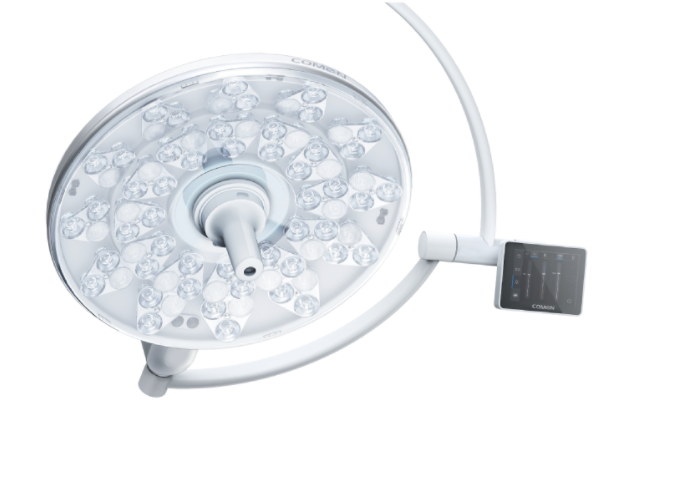
I recommend choosing the option that scores high on at least two of these metrics — preferably clinical alignment and operational impact. I’ve seen measured results when teams commit: shorter stays, fewer cancelled cases, and better morale. But don’t expect miracles overnight. Implementation takes iterative work, small pilots, honest feedback loops — and someone who will hold people accountable (that’s usually me, in practice). For practical help and tools, check solutions with proven deployments — and consider partners who understand the floor-level reality. Final note: the future isn’t only technical; it’s cultural — we must bridge both. COMEN