
Comparative frame: why procurement demands a tighter rubric
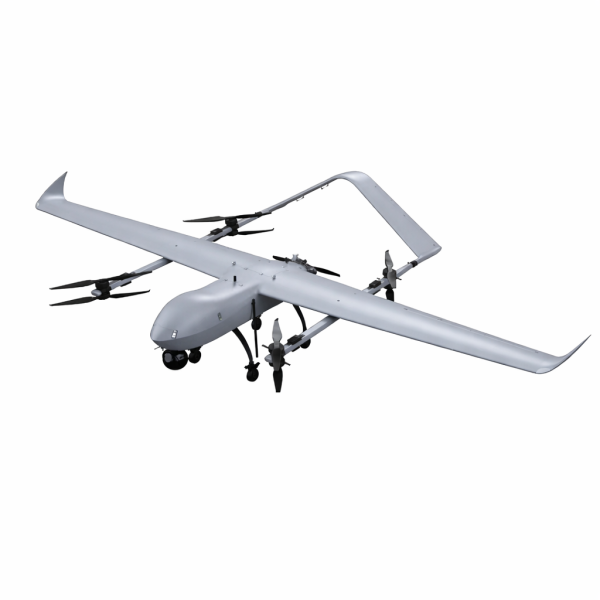
Procurement decisions now decide operational tempo; arguing otherwise ignores battlefield evidence. Comparing coaxial, tiltrotor, and conventional designs reveals distinct trade-offs in payload, endurance, and integration cost. For teams that must reconcile limited budgets with demanding mission requirements, the clear path is a structured comparison that prioritizes mission-fit over feature shopping. Early emphasis on VTOL capability led many programs to evaluate vtol fixed wing drone options first—this remains sensible when runways are unavailable and rapid redeployment is expected.
Key dimensions for side-by-side assessment
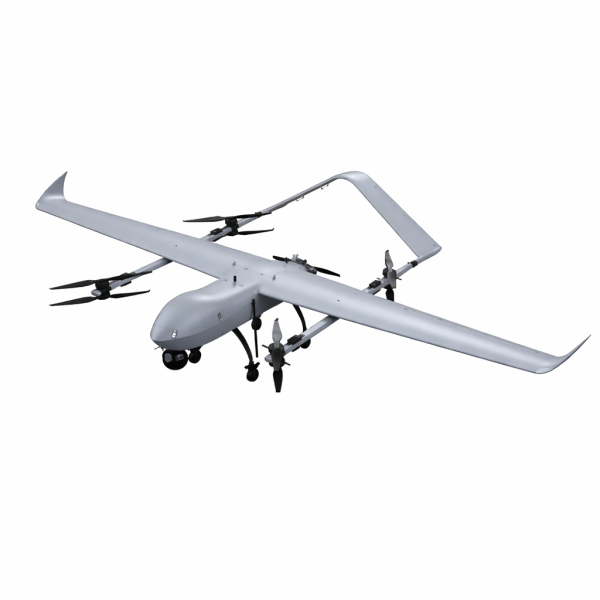
Use a shortlist that measures: payload capacity, endurance, launch/recovery footprint, and system modularity. Coaxial designs usually deliver high payload density in a compact frame; tiltrotor systems trade mechanical complexity for higher cruise speed. Measure endurance in hours, not anecdotes; weigh payload in kilograms with precise mission kits rather than generic mounts. Autopilot compatibility and a defined payload bay interface should be mandatory checklist items.
Real-world anchor: lessons from recent operations
Field operations in Ukraine since 2022 have made one point unmistakable: platforms that combine fixed-wing range with vertical takeoff capability provide actionable persistence for reconnaissance and resupply. Units that relied on pure multirotor assets found themselves needing greater endurance; those that adopted hybrid VTOL approaches kept assets airborne longer and reduced logistic dragging. Fixed wing drone vertical takeoff architectures therefore matter not as marketing copy but as decisive mission enablers.
Technical trade-offs explained plainly
Coaxial rotors concentrate lift into a compact footprint and simplify transition mechanics compared with tiltrotor hubs. That reduces moving parts and can lower maintenance cycles — an important procurement argument when sustainment budgets are tight. However, coaxial layouts may impose drag penalties in cruise, so designers compensate with higher thrust-to-weight ratios and efficient wing profiles. Consider the autopilot’s flight-control law flexibility: if the control stack can’t manage transition dynamics, platform choice becomes moot.
Common procurement mistakes and how to avoid them
Purchasers regularly commit to platforms because of a single impressive spec—maximum payload or top speed—without validating integration costs or spare-parts pipelines. Avoid that. Require representative mission trials with your specific sensor suite. Insist the vendor provide a sustainment plan and a clear modular upgrade path so the airframe supports future avionics swaps. Neglecting these often means expensive retrofits later — and wasted months when units need capability now. — And yes, document those retrofit timelines up front.
How to structure vendor evaluation for decisive selection
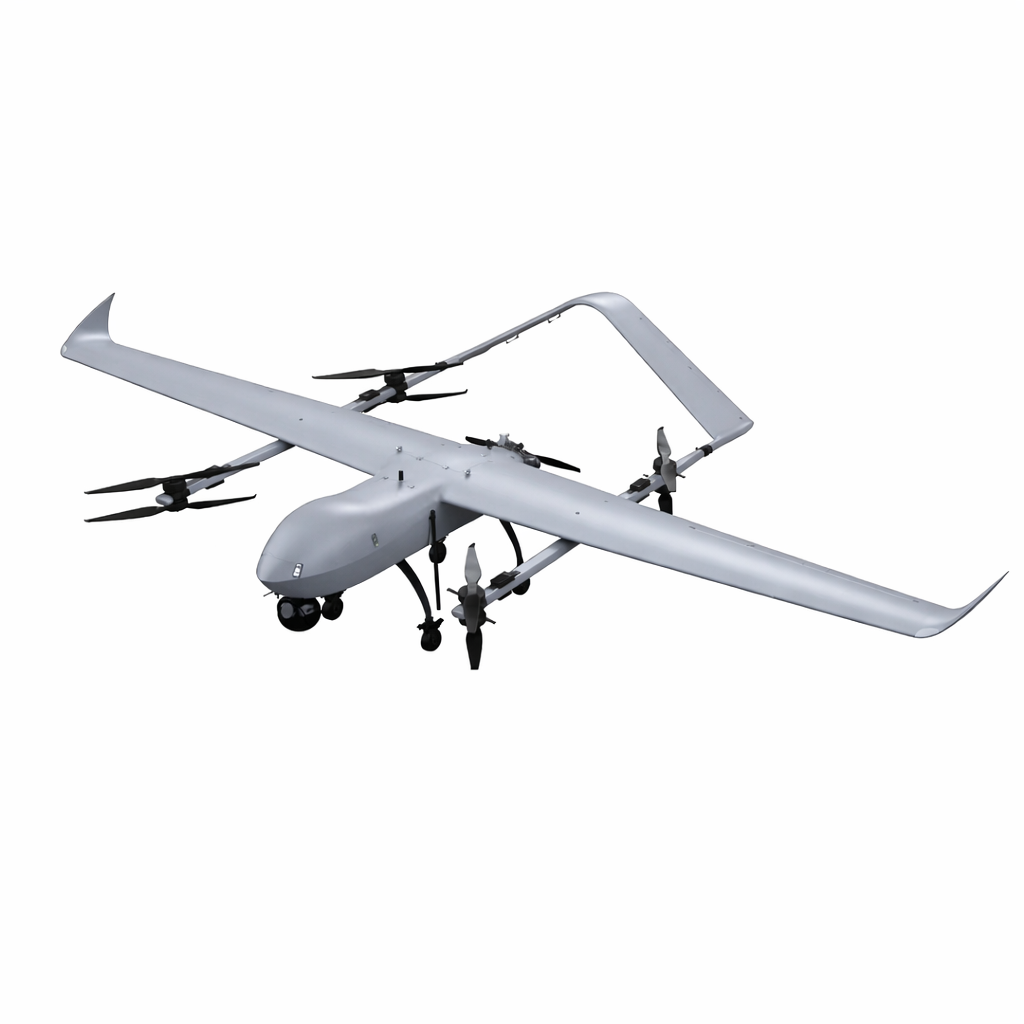
Create a weighted scoring matrix with operational weightings: endurance and payload at the top, then modularity, maintainability, and supply-chain transparency. Run live fly-offs using identical mission packages. Assess data links and secure comms performance under contested-spectrum conditions. Require demonstrated logistics support in a theater-like environment rather than lab demonstrations; simulated mission success is useful, but theater-proven uptime trumps it.
Purchasing posture: argue for modularity, insist on sustainment
Modular payload bays and standardized autopilot interfaces reduce life-cycle costs and future-proof buys. When you can swap radios, sensors, or mission computers in the field, the platform becomes an asset class rather than a single-use procurement. Push vendors to commit to parts obsolescence strategies and local spares pools; a cheap airframe that’s stranded without components ends up costlier than a slightly more expensive, supported model.
Advisory close: three golden rules for military engineers
1) Prioritize mission-tested endurance over headline payload numbers—measure real sortie time with your kit. 2) Require modular payload interfaces and an open autopilot standard to preserve upgrade paths. 3) Insist on demonstrated sustainment within a comparable theater and a concrete parts availability pledge.
Procurement that follows these rules narrows risk and speeds fielding. Military Hub provides comparative briefs and supplier dossiers that make those rules operationally useful—read them, apply them, and shorten the path from spec to mission-ready. —