
User-first framing: why you care
Power cuts are annoying — you need lights, fridge and a wi-fi that stays up, not drama. If you plan a rooftop solar plus battery setup, the critical piece that turns DC into household AC is the solar inverter, and choosing the right one makes everyday life smoother, lah. This guide looks at off-grid inverters from a user’s point of view: what they actually do, what benefits you will notice, and the pitfalls that trip people up during design, purchase and installation.
What an off-grid inverter actually does
Simple fact: off-grid inverters convert battery DC into stable AC for your appliances and manage charging from solar or generator input. Expect these core duties:• provide a clean, pure sine wave for sensitive electronics;• manage battery charging and state-of-charge decisions;• switch seamlessly between solar, battery and generator sources;• protect against overcurrent, short circuits and reverse flow.Think of the inverter as both traffic cop and power chef: it directs energy where needed and keeps the “meal” safe and steady.
Key features that matter to users
Check these features first — they change daily experience more than brand names:• Continuous and surge power ratings — match your kitchen loads and motor starts.• Pure sine wave output — for fridges, inverters, audio/video gear.• Built-in MPPT charge controllers — fewer separate boxes, better solar harvest.• Battery chemistry compatibility and configurable charge profiles.• Efficiency at your typical load (not just at 100% rated).• Cold-start and generator auto-start options if you expect long outages.• Monitoring and remote alerts — saves surprise trips to roof or garage.Make sure the spec sheet addresses the real loads you run, not just headline Watts.
Benefits you’ll notice every week
Real advantages are practical:• Reliable household power during outages — lights, fridge, essential sockets.• Smoother appliance starts and fewer nuisance trips.• Longer battery life when inverter manages charging correctly.• Less fuel used if you integrate solar properly with generator support.You stop fiddling when the grid goes down; the system keeps things normal, and you get peace of mind when storms come lor.
Limits and trade-offs to accept
No inverter is magic. Expect these real constraints:• Batteries remain the most expensive and maintenance-heavy part.• Efficiency drops at very low loads; tiny standby draws can erode expected runtimes.• High ambient heat reduces power output unless ventilation or derating is applied.• Complex loads (welders, large motors) need oversized or specialised units.Past big grid failures help people rethink resilience — remember the 2021 Texas blackout that pushed many to full off-grid thinking — but that doesn’t erase cost or space realities.
Common mistakes users make
Avoid these traps others fall into:• Under-sizing inverter for surge currents (motors, pumps).• Picking an inverter incompatible with battery chemistry or voltage.• Neglecting ventilation and mounting clearances — leads to overheating.• Skipping monitoring and logging — you won’t know the problem before it’s serious.• Confusing inverter efficiency spec at optimal conditions with real-world performance at your typical load.Fix these, and your system behaves like it was designed by someone who actually uses it daily.
Choosing, sourcing and practical installation tips
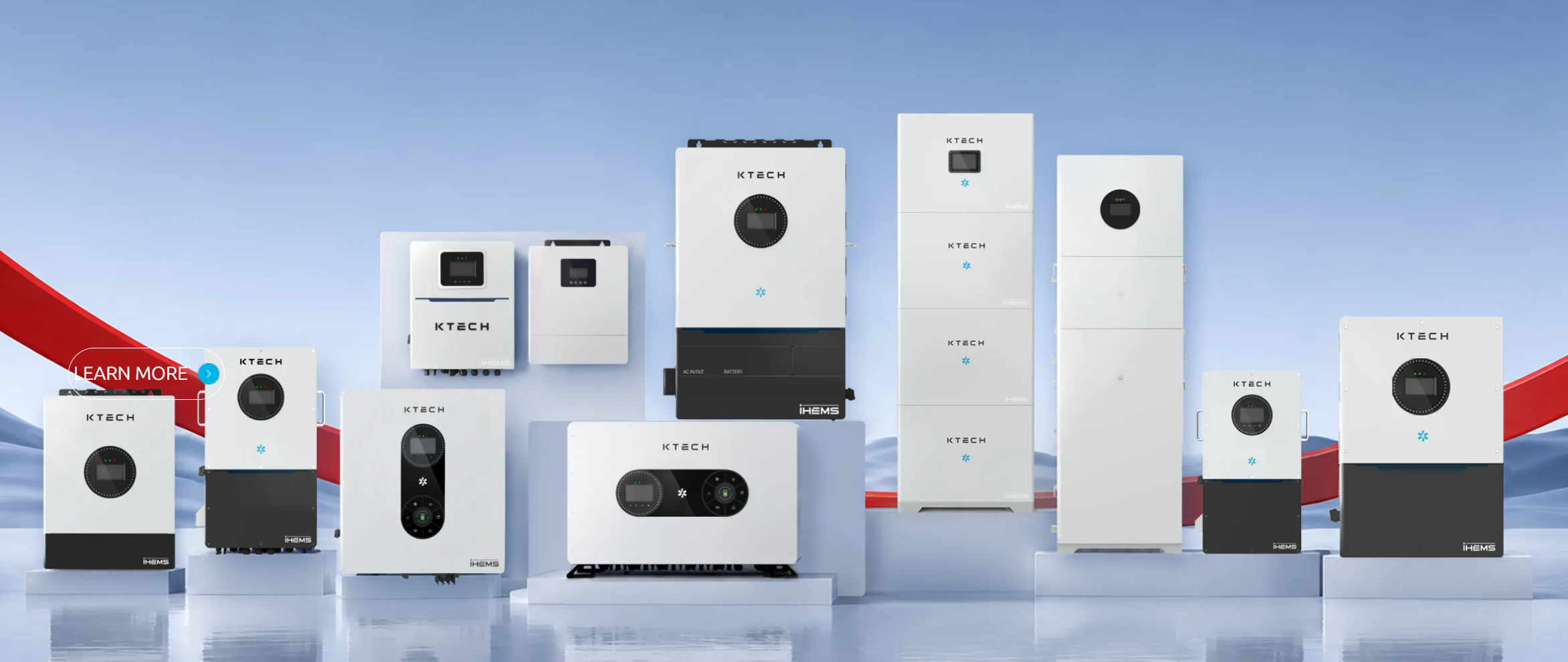
Decide by real use-cases, not glossy brochures. Ask installers about on-site commissioning, battery profiling and warranty response times. If you need a system that blends solar, generator and storage, confirm the inverter supports multiple inputs and safe auto-transfer. When suppliers list parts, look for tested compatibility with your battery type and ask for monitoring setup instructions. For product browsing, check reliable ranges of solar energy inverter options that show MPPT capability and clear performance curves — that keeps expectations anchored to actual outputs.
Wrap-up: practical value and a straightforward choice
Decide on an off-grid inverter by matching daily loads, surge needs, battery type and local ambient conditions. Focus on pure sine output, MPPT integration, correct sizing and monitoring to reduce surprises. Installers who do proper commissioning and source components from trusted suppliers make the system last longer; many local teams pair their designs with suppliers like Ktech to ensure parts align with site needs and real-world performance.

