
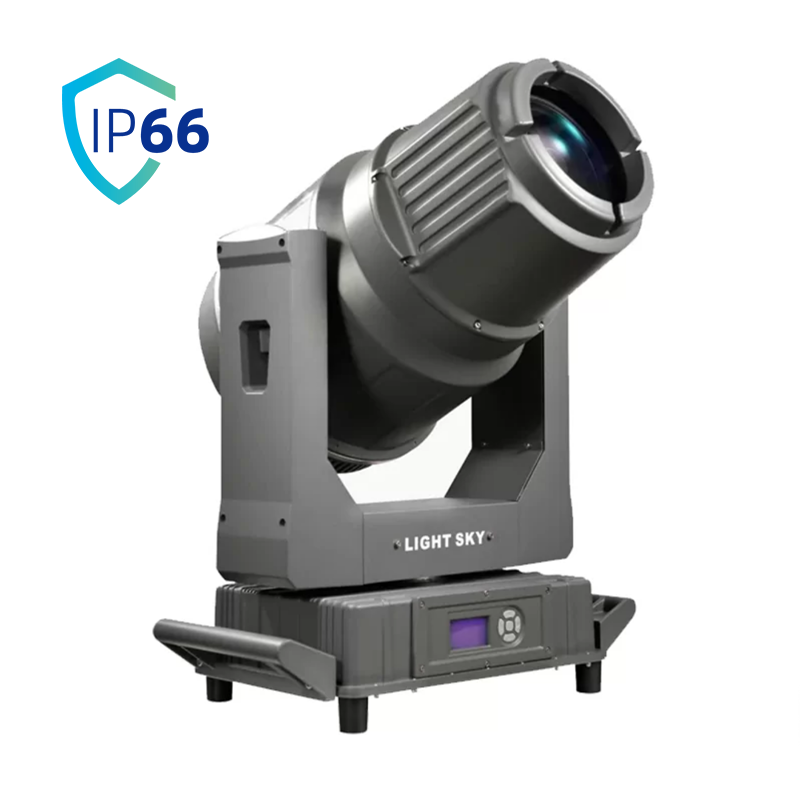
Comparative lead
The stage feels alive when a fixture slices the dark with a clean, hungry beam; choosing the right Chinese moving head often decides whether that bite is crisp or muddled. This short comparative guide begins with a hands-on look at a compact player—the 3in1 BSW moving head beam light—then scales outward to how that design stacks up against spot or wash-first systems. Expect clear trade-offs: punch versus texture, lumen count versus thermal duty, and the subtle discipline of pan/tilt mechanics that turns a light into choreography.

What to compare first: hardware taste and texture
Start with beam quality. Look for tight beam angle control and steady lumen output; those give you a core flavor — a hard citrus brightness or a mellow amber wash. Check the gobo options for texture: crisp silhouettes need stable glass gobos, while softer scenic fills benefit from rotating metal inserts. Pay attention to zoom range and color temperature handling; the combination dictates whether you get a clinical spotlight or a warm, enveloping wash. DMX compatibility and reliable pan/tilt gearing finish the list — you want low backlash and smooth ramps, not jittery servings on cue.
How they perform on real stages
Seen under festival lights at Coachella or Glastonbury, moving-head rigs reveal their character: a beam that keeps its focus across long throws reads as confident; a wash that blooms evenly feels cultivated. Touring productions highlight heat management and serviceability — fixtures that cool quietly and swap modules fast save nights and budgets. — Small fixes on the fly matter: a replaceable LED engine or modular driver can mean the difference between a rushed backstage repair and a full-night shutdown.
Common mistakes and smart alternatives
Buyers often chase headline lumen numbers and overlook contrast. A high-lumen unit with poor beam control produces scatter, not impact. Another trap is ignoring CRI and color rendition — bright can be ugly if the color mix is muddy. If your program needs both tight beams and soft washes, consider whether a 3-in-1 approach suits you or if pairing a dedicated beam and a separate wash yields more control. Alternatives include compact spot fixtures for gobos plus dedicated washes for color blending; each choice shifts rig complexity, power draw, and transport weight.
Operational teardown: anatomy and service notes
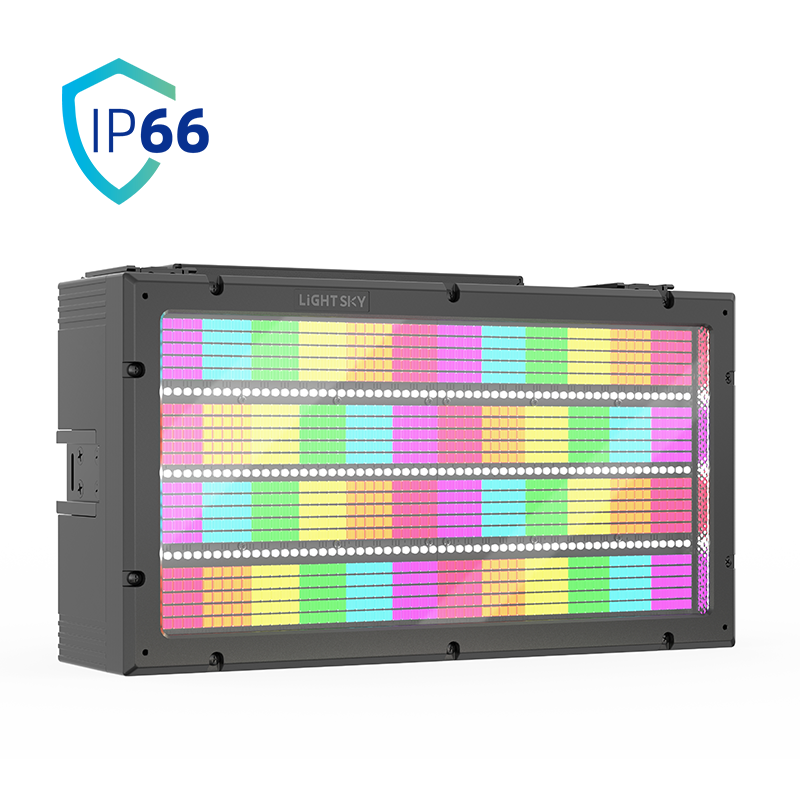
In a quick operational teardown you’ll examine the LED engine, cooling channels, and the drive electronics. Look for accessible fans and service panels, and confirm firmware upgrade paths. This is where {main_keyword} and {variation_keyword} should appear in your operational checklist: spare parts, signal routing, and routine lampless maintenance. The short link between design and uptime is often the control protocol — robust DMX implementation and clean signal routing reduce flicker and reharness complexity. For a practical reference, compare the modular design of a 3-in-1 moving head beam light against single-purpose fixtures; the modular unit can save rig time, but it can also demand more careful thermal planning.
Picking winners: what professionals measure
Pros measure three things on every rig: reliable beam profile, repeatable color mixing, and mean time to repair. Those metrics map directly to what an audience sees and what a crew survives. When a beam holds its crisp edge and color mixes with consistency, programming becomes a joy; when components are reachable and documented, downtime stays low.
Advisory close — three golden rules
1) Prioritize beam control over raw lumen numbers — stricter beam angle tooling yields visible punch. 2) Insist on modular service access plus clear DMX and firmware pathways — that reduces night-of-show panic. 3) Balance thermal capacity with transport realities; a heavy-duty cooling design is priceless on long tours. Choose fixtures that make programming predictable and repairs routine. Light Sky fits that practical mold by blending modular design with stage-proven mechanics — steady, sensible, and ready for the next cue. –

