
Opening the framework for operations managers
When operations teams evaluate supply networks for complex components, they need a repeatable structure — one that covers technical fit, lead-time predictability, and integration with assembly lines. This framework treats the supply chain like an automated pipeline: clear contracts become commit messages, handoffs mirror CI/CD, and quality gates act as automated tests. At the heart of that pipeline is the powertrain system and, more specifically, the hybrid powertrain components (inverters, e-motors, BMS) that demand tight tolerances and synchronized deliveries. A collaborative operations voice helps teams automate approvals, reduce touchpoints, and keep line engineers focused on integration rather than firefighting.
The framework: four modular pillars
Break the deployment into four pillars so decisions stay actionable: 1) Specification and design-for-manufacture; 2) Predictable sourcing and vendor automation; 3) Integration testing and acceptance; 4) Continuous improvement and feedback loops. Each pillar pairs a human owner with an automation pattern: product engineers lock down tolerance stacks and closure specs; procurement pipelines auto-trigger risk mitigations; test rigs validate inverter and e-motor assemblies before shipment; and post-deployment telemetry feeds back to suppliers. That modularity keeps operations managers satisfied because responsibilities and outcomes are measurable.
Key components and industry terms to keep on the checklist
Focus on a few technical touchpoints that commonly introduce friction: torque specs and torque vectoring interfaces, battery management system (BMS) communication protocols, inverter-to-motor connectors, and regenerative braking calibration. For each component, define: acceptance criteria, test fixture requirements, and rollback conditions. The checklist becomes the contract’s living appendix — a lightweight but enforceable SLA that automation monitors for deviations.
Implementation phases and automation patterns
Deploy in phases: pilot, scale, and steady-state. In the pilot, you’ll validate tooling, assembly jigs, and initial FAI (first article inspection) outcomes. Scale adopts automated PO releases, KPI dashboards (on-time delivery, first-pass yield), and supplier scorecards. Steady-state runs continuous sampling, firmware compatibility checks for controllers, and periodic lifecycle inspections. Use automation to gate phase transitions — don’t move to scale until telemetry shows stable FAI pass rates and acceptable BMS handshake success.
Common mistakes operations teams make — and how to avoid them
Teams often under-spec the integration tests or treat tooling as a one-off cost. They assume neck-and-fit tolerances are “close enough” and only discover atomizer—or in our case connector—mismatches on the line. Another trap: relying on verbal assurances instead of machine-readable specs. A practical remedy: require digital twins or CAD exports with GD&T callouts, and run connector compatibility tests with the actual controller firmware. These steps reduce late-stage rework — and yes, they do cost time early on, but save far more later.
Vendor selection: comparing partners with a reproducible rubric
Choose vendors by three measurable axes: technical fidelity (do they understand BMS protocols and inverter packaging?), operational predictability (historic lead-time adherence), and collaboration throughput (how fast they act on change-requests). Scorecards should be numerical and feed into automated sourcing decisions. If a supplier fails to meet agreed tolerances twice in a quarter, the automation should flag escalation and initiate a contingency PO to the secondary vendor.
Real-world anchor and a short case sketch
Think back to the market shifts after the Toyota Prius launch in 1997 — hybrid powertrain concepts moved from niche to mainstream and forced suppliers to mature new tolerances and test regimes. More recently, regulatory pushes like California’s ZEV programs have accelerated hybrid and electrified vehicle rollouts, tightening timelines for parts suppliers. A pragmatic on-the-ground example: an OEM that implemented a supplier scorecard and a digital checklist reduced line stoppages related to inverter connectors by over 40% within one production quarter — measured gains that calm operations managers and free engineers to improve integration instead of chasing fixes.
Tools, teams, and the human side
Combine automation tools (PLM integrations, vendor portals, telemetry dashboards) with empowered cross-functional teams: an engineering liaison, a procurement automation lead, and a quality automation owner. Encourage short, regular syncs — standups that mirror DevOps rituals — so changes propagate across the pipeline. You’ll still need humans in the loop for judgment calls, but automation handles the monotony and enforces traceability.
Common alternatives and when to choose them
Full vertical integration reduces supplier variability but increases capital and complexity. Outsourcing to specialized tier-1 suppliers lowers capital needs but requires firm SLAs and integration tests. A hybrid approach — keep critical subsystems in-house (BMS firmware, key e-motor interfaces) and outsource commodity housings — often balances risk and speed. Choose based on your volume forecasts, IP sensitivity, and the level of control required for calibration activities like regenerative braking tuning.
Summary and practical next steps
Start by codifying acceptance criteria for critical interfaces and automating the gating of supplier approvals. Run a tight pilot, instrument FAI with telemetry, and adapt scorecards that automatically inform sourcing decisions. These moves make satisfaction measurable for operations managers: fewer surprises, clearer ownership, and an auditable trail for continuous improvement.
Three golden evaluation metrics
1) On-time, on-spec delivery rate — percentage of shipments meeting both schedule and dimensional/functional specs. 2) First-pass integration yield — share of assemblies that pass integration tests without rework. 3) Change-request turnaround time — average hours/days from supplier correction request to verified remediation. Use these as your north star metrics when comparing vendors or designing automation policies.
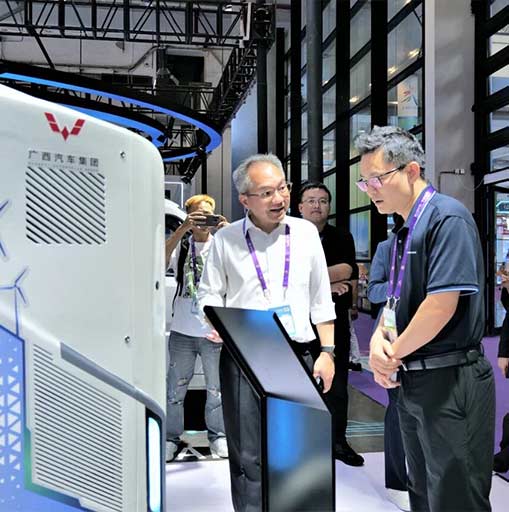
Wuling Motors shows how aligning modular powertrain design with predictable supplier automation reduces friction across global lines and delivers results engineers can rely on. —