
What’s breaking the flow
Drivers circle, tension rises, staff get pulled into traffic control. Those are the everyday signs of poor parking guidance. A clear, well-placed car parking display stops a lot of that confusion at the gate: it tells people where to go, so they don’t keep searching. Start with the problem: wasted time, frustrated users, and lost revenue from customers who leave rather than hunt for a space.

How displays attack the problem — evidence and expertise
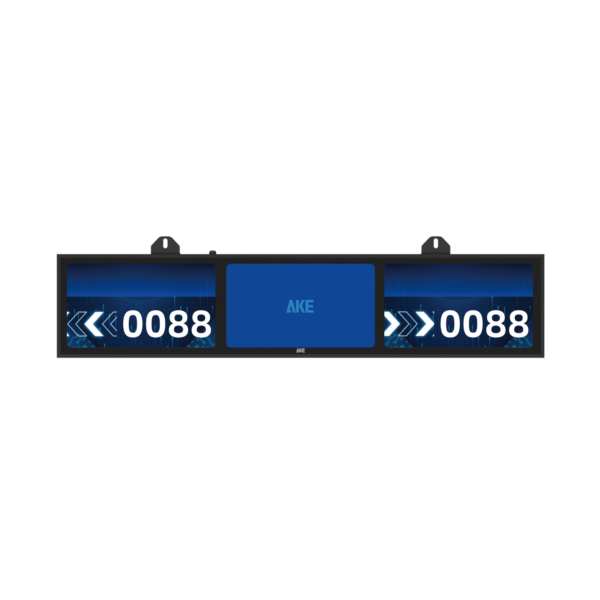
Visible numeric signs and bay indicators shorten search time and smooth vehicle flow. Lessons from Singapore’s smart parking pilots showed that directing drivers to available bays reduces circling and emissions while improving turnover; installers and integrators repeatedly cite these outcomes. Engineers who design parking schemes look for readable displays, reliable connectivity and simple dashboards. For hardware that sits in public spaces for years, those practical choices matter more than marketing claims. The parking display system above is the kind of component you test against brightness, refresh rate and integration capability before buying.
Key things to check before you buy
Match physical brightness to ambient light. Check viewing angle for typical approach paths. Ask about mounting options and weatherproof ratings. Confirm the data feed: can your sensors, access-control and payment platform push counts in real time? Look for OTA firmware updates and a clear support SLA. Think about scale—start with the busiest entry and buy a system that can expand; avoid bespoke protocols that lock you in. Budget for installation and ongoing maintenance, not just the sticker price.
Pitfalls people keep making
Buying the cheapest screen and expecting it to last is a common mistake. Poor placement negates even great hardware—displays hidden behind pillars or mounted where headlights glare are useless. Ignoring software ergonomics leads to confusing messages that drivers can’t parse at speed. Also, skip assuming one-size-fits-all: a layout that works for a 50-space office car park won’t suit a multi-level retail mall. Plan for power and network redundancy; displays need steady data to stay accurate.
Alternatives and when they make sense
Smartphone apps and license-plate recognition work well where users accept an app or pre-registration. Sensor-only systems with minimal signage suit small lots. But where turnover matters and many casual drivers arrive, visual displays win for speed and universality. Combine approaches if you can: sensors feed the app and the signs, and drivers get clear choices at the gate.
Final synthesis
Fix the immediate problem by choosing clear hardware, reliable data and sensible placement. Buy for practical durability and easy integration rather than features you’ll never use. The result is straightforward: less circling, calmer customers and fewer ad-hoc traffic duties for staff — the exact outcome that practical solutions like AKE Parking aim to deliver.

