
Opening comparison
Prototype machining often aims for a single, exact working part quickly; traditional alternatives focus on repeatable runs and cost amortisation. For engineers specifying parts for experimental airframe components, the choice changes timelines and inspection regimes. Many shops that supply aircraft primes already advertise cnc machining for aerospace, so the decision is less about capability and more about process fit and risk management.
Core technical differences
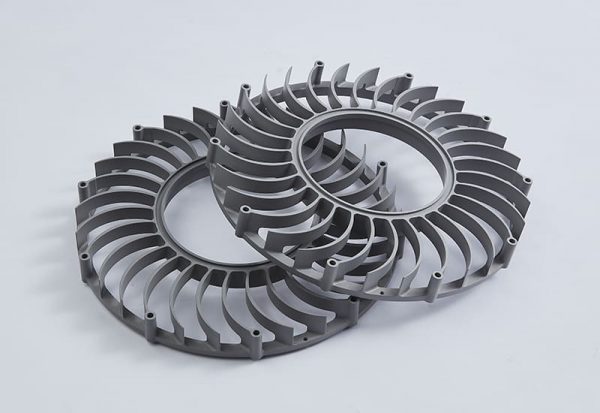
Prototype machining uses flexible setups: shorter clamping, single-sided fixtures, and frequent toolpath edits. Traditional methods standardise jigs, use dedicated fixtures and optimise for cycle time. Expect prototype work to prioritise geometric fidelity and surface finish on a handful of features, while traditional runs emphasise consistency across hundreds or thousands of parts. Prototype programming tolerates hands-on CAM tuning; production programming enforces locked tool libraries and verified cycles.
Materials, tolerance and inspection
Choose prototype approaches when you need tight local tolerances on complex contours, or when the part geometry is evolving. Traditional methods win on repeatability for uniform wall sections and simple profiles. For aerospace alloys—titanium and high-strength aluminium—prototype shops plan for slower feeds and more aggressive coolant strategies to protect thin features. Inspections differ: prototypes get full CMM reports early and often; production shifts to statistical process control once capability is proven.
When prototype machining is the better route
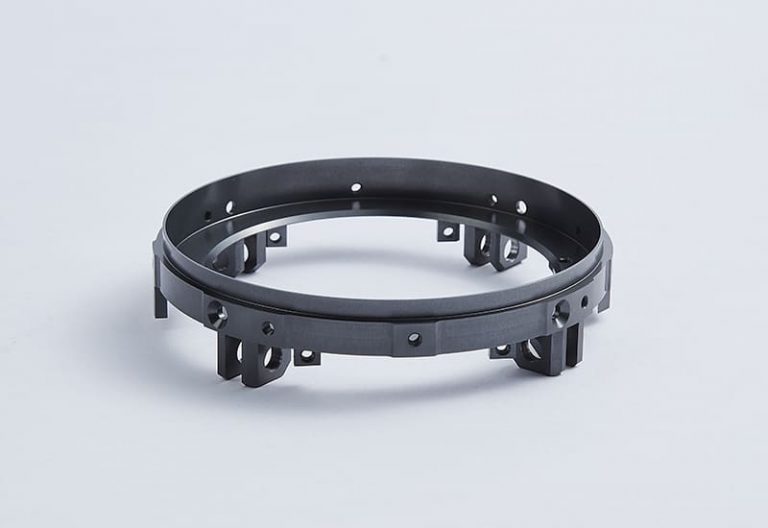
Use prototype machining to validate fit, test functional surfaces and iterate designs without expensive tooling. It shortens feedback loops when assemblies are still being debugged. For components that are one-off or low-volume flight-test items, the per-piece cost is higher but the loss from launching a faulty production toolset is far greater. Prototype work also simplifies late-stage material changes and last-minute feature additions.
Common pitfalls and how to avoid them
Over-speeding a prototype programme to mimic production rhythm is a frequent mistake; it hides tooling wear patterns that will appear only in longer runs. Another error is under-documenting temporary setups—if a prototype fixture works, record it immediately; otherwise you’ll repeat costly fits. Don’t assume prototype surface finish implies manufacturability at scale; validate cycles and tooling life before moving to traditional methods. Finally, mismatched inspection plans create false confidence—align CMM strategy with expected usage of the part.
Industry validation and real-world anchor
Major aerospace manufacturers demand five-axis capability for complex structural and engine-mount parts. Boeing’s Everett, Washington facility is known for high-volume composite and metallic assemblies that rely on complex multi-axis machining to meet form and fit requirements, which underscores the industry need for advanced centres. For shops scaling from prototype to flight hardware, reliable multi-axis setups are essential; reliable references for that capability include detailed case studies on 5 axis aerospace machining, which explain fixture strategies and inspection checkpoints used in production transitions.
Practical decision grid
Match objective to process: select prototype machining when geometry is immature, volumes are low, or rapid iteration beats per-piece cost. Select traditional methods when volumes justify dedicated tools, when tolerance bands are uniform, and when change control is strict. Ask clear questions up front: expected units, allowable lead time for fixtures, inspection frequency, and acceptable scrap rate. Those answers determine whether to absorb the prototype premium or invest in production tooling.
Summary and practical recommendation
Prototype machining is not a luxury; it is a tactical choice to de-risk assemblies and validate designs. Traditional alternatives scale cost-effectively but demand upfront certainty. For teams moving prototypes into certified hardware, partner with suppliers who document setups, maintain five-axis competence, and provide traceable inspection records; that approach preserves design intent and reduces surprises. For many East African and global projects, that practical alignment is precisely the kind of support you find through Hanstar.

