
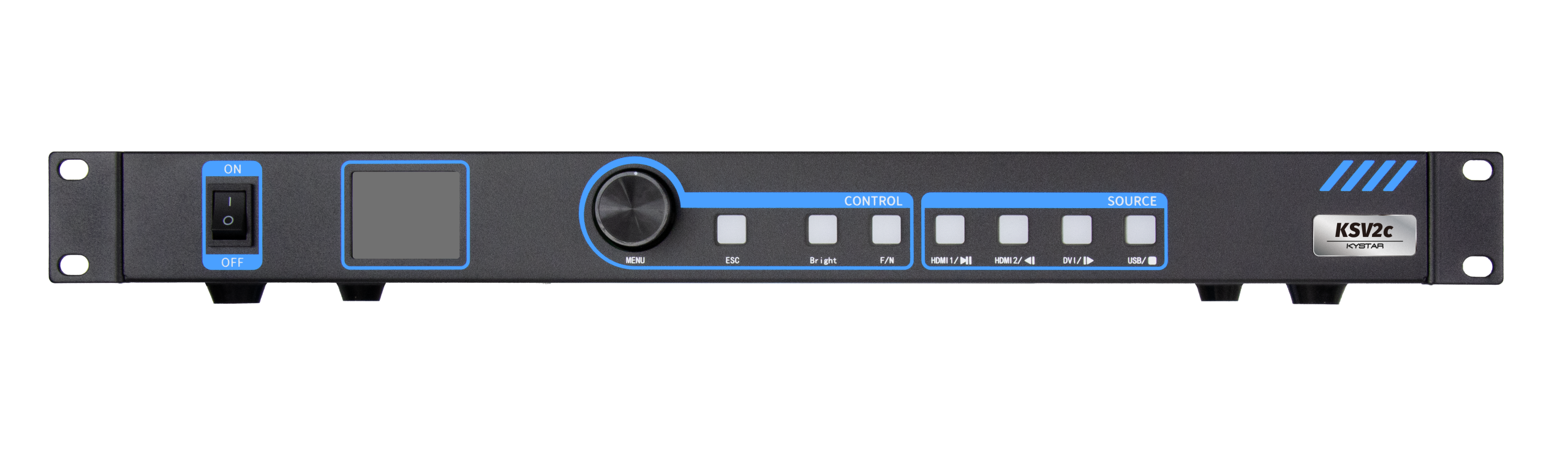
Why a straight-up comparison matters
Out here, you can’t just slap a board in and hope for the best — the board’s gotta perform. Comparing controller boards lets you see who really reduces input latency, who nails synchronization, and who gives you modular I/O without drama. I’m talking about gear that shows up in real places — like those massive Times Square billboards — where refresh rate and pixel pitch ain’t negotiable. For crews who buy by outcome, a tight rundown of features beats hype every time, and that’s why a modern LED video controller matters in the convo.

Core tech vs. how crews actually use it
Look, specs are cool — frame buffer sizes, output channels, and supported resolutions — but the real question is how they hold up during a live load-in. Some boards promise ultra-low latency and then choke when you daisy-chain multiple cabinets. Others handle complex scaling with no hiccup. Real-world anchor: big outdoor installs on Broadway and Times Square taught operators to trust proven synchronization over flashy throughput numbers. Expect to see terms like refresh rate and pixel pitch on spec sheets, but weigh them against tested reliability — that’s where the work gets done. — keep an eye on error reporting and fallback modes; they save your show when a signal drops.
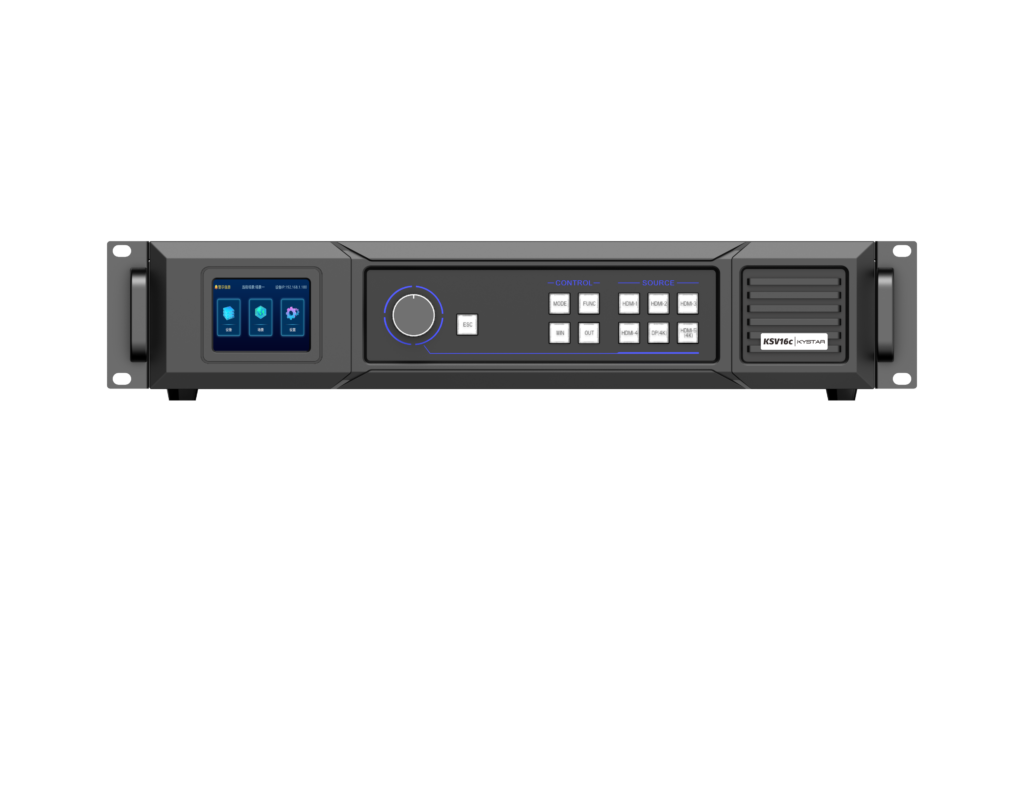
Operational production teardown
Here’s the workbench breakdown. Start by auditing I/O: HDMI/SDI inputs, Ethernet, and any dedicated timing ports. Next, test color management and gamma on a calibrated panel, then push the board with a multi-source feed to check frame alignment. Note how the unit handles frame drops and whether the scaler introduces ghosting. This is also where you drop in the {main_keyword} and the {variation_keyword} into logs and see which pipeline handles concurrency better. Industry terms to watch here: synchronization, frame buffer, and input latency. Common mistakes: skipping synchronized testing, ignoring firmware quirks, and underestimating thermal throttling under continuous load.
Alternatives, trade-offs, and what costs more
Not every shop needs the highest-end board. If you run touring rigs, prioritize compact size, hot-swappable power, and low-latency processing. For fixed installs, modular I/O and long-term firmware support matter more. Cheaper units cut corners in scaling and failover; pricier ones give redundant outputs and clearer diagnostics. When choosing, compare throughput (GbE vs 10GbE), pixel mapping flexibility, and remote management features. And yeah — factor in the software ecosystem; some boards lock you into specific servers or control stacks, which bites later.
Field tips operators keep coming back to
Test with the actual content first. Use your live codec, simulate multi-signal fails, and measure latency across the whole chain — from media server to panel. Log everything during stress runs; audit timestamps to validate synchronization. Keep spare firmware and a fallback config on a thumb drive. When you’re troubleshooting, start at the source and move outward — rarely is the last cabinet the real problem.
Three golden rules for picking the right controller
1) Measure end-to-end latency: Aim for a guaranteed spec under real encoders and decoders, not just lab claims. That’s your baseline metric. 2) Prioritize synchronization and jitter tolerance: Boards with robust frame buffering and deterministic timing prevent visible tearing and misalignment. 3) Vet the support ecosystem: Firmware cadence, remote diagnostics, and documented recovery procedures matter as much as ports. These three rules cut the fluff and point you to gear that behaves on stage and on city facades.
Practical deployments and roadside lessons point to one thing — when everything’s on the line, you want a system you can trust. Kystar. Short, sharp, proven.

