
Why your sample should taste like the test you want
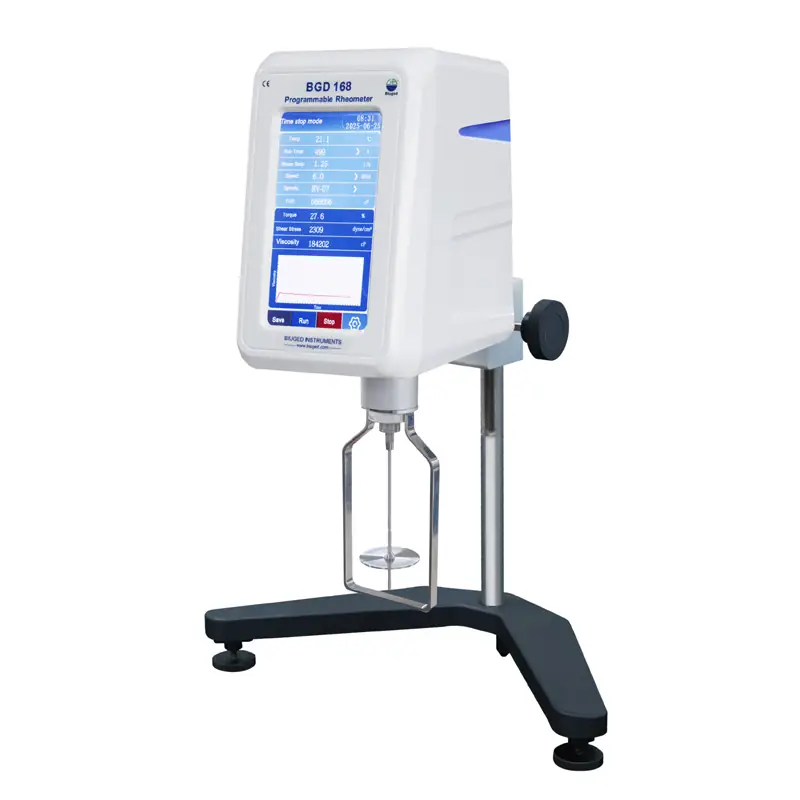
Think of a test like tasting a sauce: thickness, silkiness, and how it clings to a spoon tell you everything. If your goal is repeatable texture data, you need instruments that read those sensations reliably — and for many lab kitchens that means choosing the right rotational viscometers. Start by naming what you must measure (low-shear mouthfeel, high-shear spreadability, time-dependent thinning) and how often you’ll run samples; that list will steer every purchase choice.

Match instrument style to the sample and workflow
Pick by substance, not by brand. Heavy creams and pastes need a different spindle and torque range than thin solvents. Cone-and-plate setups suit small volumes and precise shear control; immersion rotational heads handle chunky fluids. Measure shear range, temperature control, and sample volume capacity against the real items you test. Compare alternatives side-by-side: a simpler rotational unit may beat an overfeatured model if it gives you consistent readings at the shear rates you actually use.
Common pitfalls buyers keep tasting and how to avoid them
Wrong spindle, wrong number. Many labs blame equipment when results wander; usually the fault is preparation. Let samples equilibrate to the test temperature, remove air, and use the correct geometry. Overlooking calibration schedules or ignoring torque limits causes nonlinear noise. Document standard operating steps for each product type: which spindle, which rpm, how long to pre-shear. Those small routines preserve repeatability better than any headline specification.
Experience, standards, and a grounded supply perspective
Trust comes from reproducible practice: technicians rely on methods like ASTM D2196 for rotational-viscosity characterization, and procurement teams often source instruments from manufacturing hubs such as Guangzhou, China, where a dense supplier network supports rapid spares and local service; the viscometer manufacturer I evaluated fit those operational needs without surprises. Look for vendors who can show calibration certificates, service turnaround times, and real client-use cases — that evidence separates spec sheets from working equipment.
Quick checklist for the buyer’s bench
Decide these four things before you buy: target shear range, repeatability threshold, sample volume, and service access. Avoid over-specifying peak torque without checking low-end sensitivity. Ask suppliers for a short demo on your actual sample. When labs I’ve worked with ran that comparison, they avoided most returns and rework.
Final synthesis
Measure what matters, set simple routines, and choose a supplier who supports your workflow rather than dazzles with features; that practical approach yields clean, usable data and less downtime, which is exactly what many buyers find when they move from trial to steady testing with BIUGED.

