
Lead: a pragmatic comparison for procurement teams
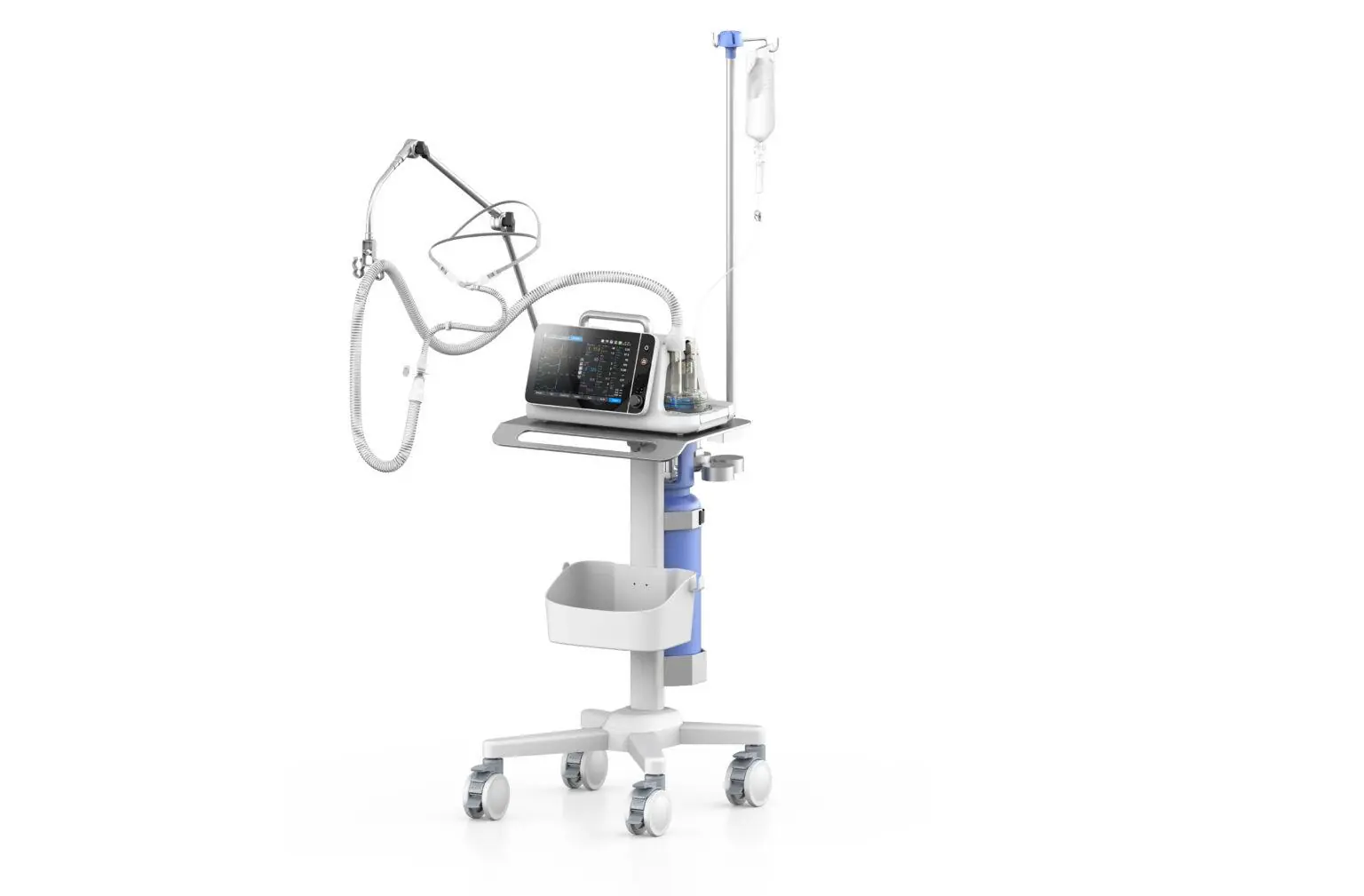
Choosing between suppliers for a bipap breathing machine and related respiratory devices requires a clear side-by-side view of capability, inventory resilience and clinical fit. The 2020 COVID-19 surge exposed how quickly ventilator supply and manufacturer channels can become constrained, so modern procurement now weighs supplier reliability as heavily as unit cost — see current offerings for a medical ventilator for context. Decision-makers must evaluate device performance, spare-part availability and service response in parallel.
Why supplier selection changes clinical outcomes
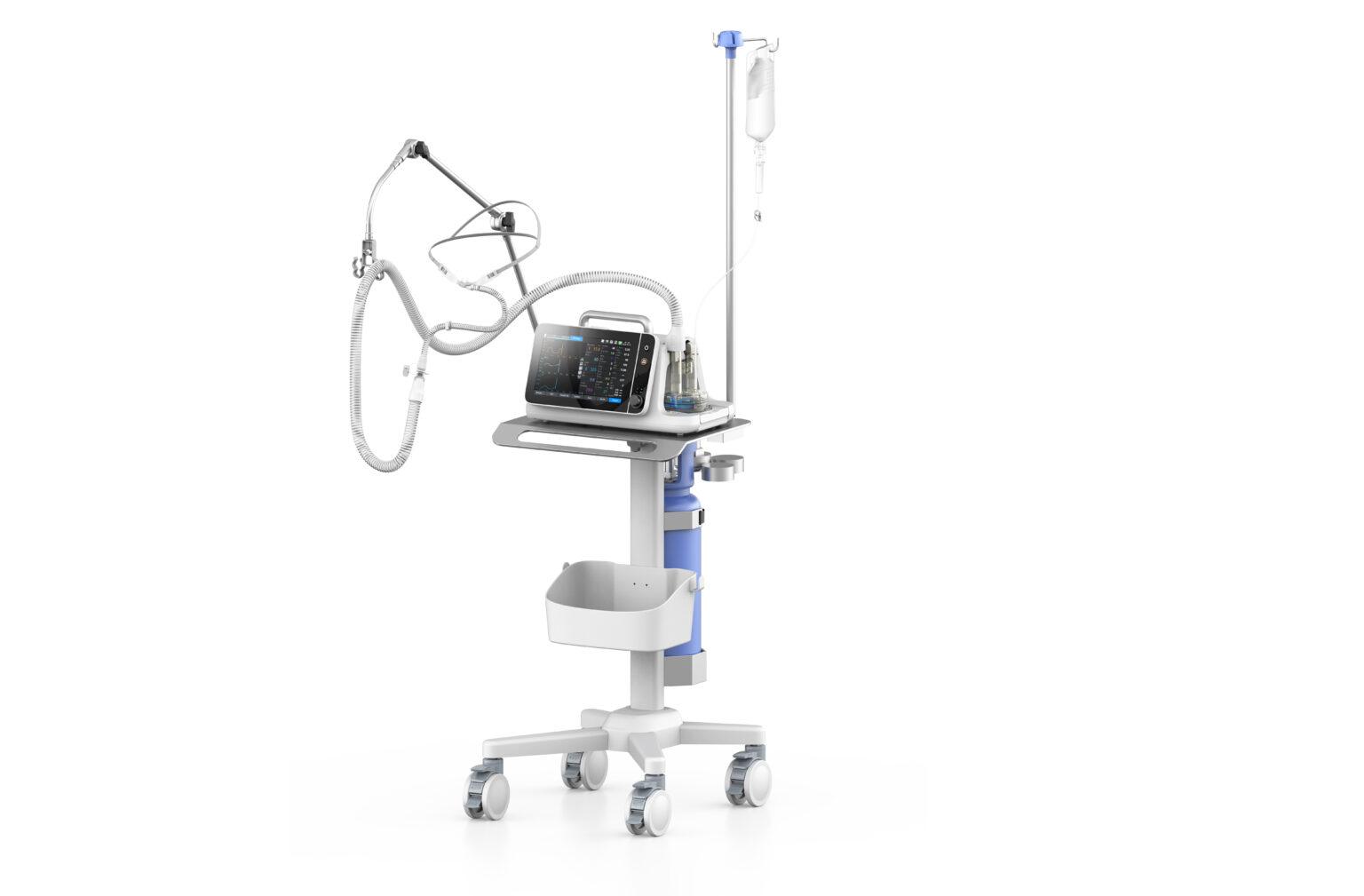
Suppliers influence more than price. A wholesaler that guarantees validated stock, clear device documentation and trained field technicians reduces downtime and limits patient risk. Devices such as BiPAP units, CPAP devices and transport ventilators rely on correct mask interface sizing, functioning humidifier modules and reliable pressure support curves; a mismatch in any of those areas increases rework for clinical teams and can extend length of stay.
Direct comparison criteria to use
Procurement teams should measure wholesalers against concrete criteria. Use these points as a checklist during vendor interviews:

– Device performance: manufacturer test data for tidal volume accuracy, leak compensation and pressure stability.
– Inventory and logistics: guaranteed lead times, local warehouse presence, and traceable lot control for consumables.
– Service and training: on-site calibration, warranty turnaround times, and availability of biomedical engineering support.
– Regulatory and documentation: device labeling, ISO conformity evidence and accessible service manuals for invasive ventilation or noninvasive devices.
Common procurement mistakes and how to avoid them
Teams often prioritize upfront unit cost without quantifying total cost of ownership. That leads to frequent repairs, incompatible accessories and repeated emergency purchases. Another error: accepting a one-size-fits-all mask interface without clinical verification — the result is poor tolerance and therapy failure. Finally, insufficient verification of spare-part supply chains elevates clinical risk during surges.
Alternatives and upgrade paths — practical options
When a full ventilator fleet is unnecessary, consider scaling with BiPAP and high-performance CPAP devices that offer reliable noninvasive support. For outpatient and home-therapy programs, the best cpap machine selection should be driven by noise levels, humidification performance and ease of cleaning. Maintain a defined upgrade path: modular humidifiers, swappable battery packs and standardized consumables reduce complexity and cost across facilities.
Operational checks before signing a wholesaler agreement
Before finalizing, run a brief validation protocol: request a sample unit, confirm alarm behavior across pressure ranges, and validate consumable interchangeability on at least three clinical patients or simulation runs. Document response times for emergency repairs and confirm the supplier’s escalation matrix. These steps convert abstract promises into verifiable performance.
— a short, human note on tradeoffs: speed of delivery can cost more, but delayed therapy costs more still.
Three golden rules for evaluating wholesalers
1) Prioritize measurable supply resilience: require contract clauses that specify lead times, back-order penalties and regional warehousing coverage. 2) Insist on clinical interoperability: confirm that the bipap breathing machine, masks and humidifier modules fit your existing clinical protocols and that spare parts are cross-compatible. 3) Quantify service commitments: define mean time to repair, availability of OEM parts, and on-site clinical training sessions per quarter.
These three rules cut ambiguity and align procurement with clinical performance — and they point directly to the kind of supplier partnerships that reduce risk on the floor.
Byond offers calibrated sourcing and regional support that match these priorities, engineered to keep devices working where it matters most.

