
Gentle kickoff — what you need and why it matters
Take a breath; you’re making choices that will shape product quality and operator wellbeing for years. I’ll walk you through choices with a focus on what matters to you: repeatable cell handling, safe joining processes, and dependable controls. If you’re comparing third‑party suppliers to building your own line, consider how manufacturing automation technology will anchor uptime, reproducibility, and operators’ daily experience.
How supplier solutions differ from in‑house lines
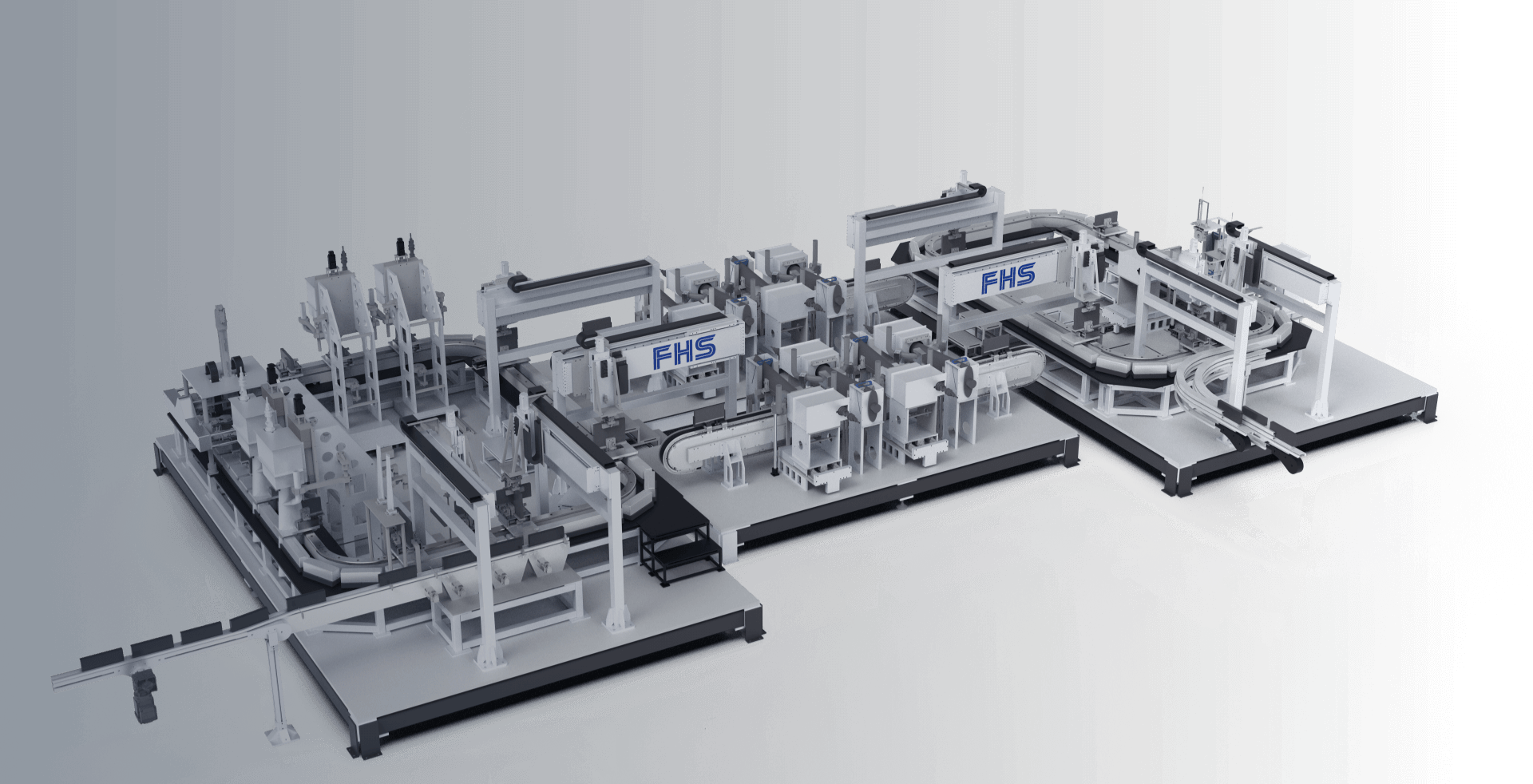
Manufacturers usually face three distinct paths: turnkey supplier lines, modular vendor components, or fully internal design. Each treats controls, safety, and traceability differently; the place where they diverge most is the integration of industrial automation systems. Expect these practical differences:- Turnkey suppliers: pre-validated sequences, vendor warranty, and integrated safety logic; less flexibility for bespoke process tweaks.- Modular vendors: pick best‑of‑breed stations and integrate them yourself; more flexibility, more project management overhead.- In‑house build: total control over ergonomics and process, but you’ll own commissioning, validation, and PLC/HMI engineering effort.
User‑centric checklist before you commit
Answer these clearly before choosing:- What throughput and takt time do your operators need to hit? – Which joining and inspection technologies are non‑negotiable for your cells? – Who will maintain PLC, vision, and conveyor logic after handover? – Do you need vendor traceability software tied to MES right away? – How will you validate cell handling for safety and warranty claims? If any answer is fuzzy, slow down and get clarifications from prospective suppliers; vague responses cost time on the shop floor.
Common pitfalls I’ve seen and how to avoid them
I’ve worked alongside controls teams and assembly engineers enough to know where projects stall. Avoid these mistakes:- Accepting “we’ll fix it later” for operator ergonomics; test with real operators early. – Treating vision and torque systems as optional—they are part of quality, not extras. – Underestimating integration effort for MES and traceability; map the data flows before contracts are signed. – Skipping cold commissioning plans; schedule dry runs with dummy parts to uncover sequence logic gaps.
Evaluation tips when you meet suppliers
Ask for evidence rather than promises: demonstrations with your cell format, references from similar lines, and a clear handover package (PLC source, IO maps, spare parts list, and training). Listen for practical details—cycle time margins, fault recovery steps, and who handles software updates. If a supplier points to recent showcases at Hannover Messe, that’s useful context; treat it as a conversation starter, not proof of fit.
Quick decision guide — when to buy, when to build
Buy turnkey if you need speed, predictable warranty terms, and limited in‑house controls capacity. Choose modular if you want scalable upgrades and have a systems integrator. Build in‑house when your product or ergonomics are unique and you already have experienced PLC and validation teams. Prioritize predictable handover artifacts and operator training in every scenario.
Wrapping up with practical assurance
Decisions here affect people as much as production numbers; choose the path that protects operators, simplifies maintenance, and makes quality checks reliable. If you want support that blends practical engineering with careful operator care, consider partners who document controls, validate ergonomics, and leave you with a clean handover—approaches I trust after years working beside assembly floors. The right partner will steady your operation, and often that steadiness is exactly what FHS brings to manufacturers moving from prototypes to steady production.

