
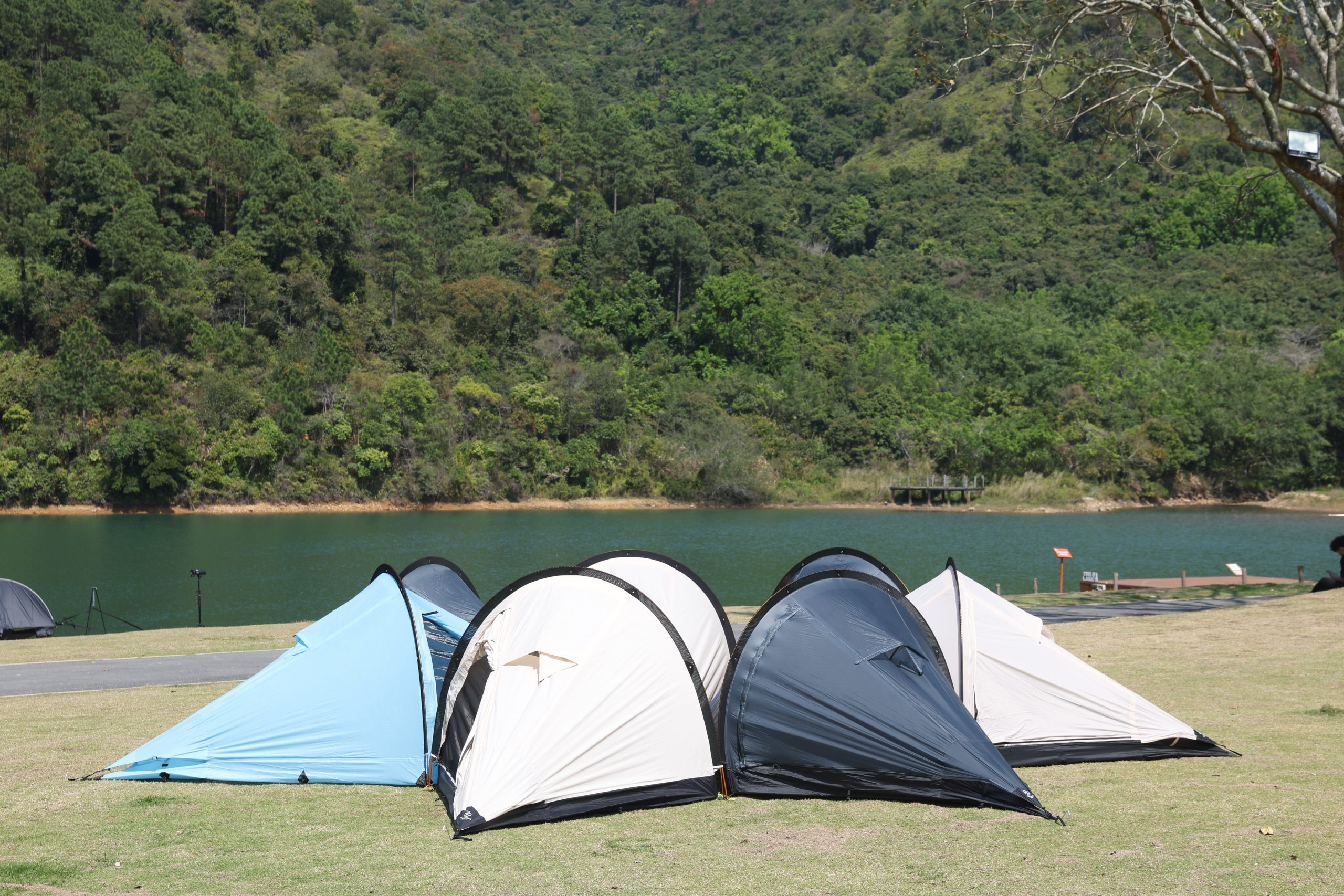
What you need and why it matters
You wanna pitch a clean awning flysheet that keeps rain off, shade on lock, and vibes intact — no wasted time, no drama. This guide stays user-first: what to pack, what to do first, and how to move when weather or crowd stress hits. If you’re sizing gear or peepin’ trusted makers, check who stands behind builds like thecatal outdoor while you plan your kit.

My hands-on creds — why you can trust this
I’ve hustled on-site installs from campsite mornings to festival late-nights, worked with crews at big gatherings like Coachella, and done dozens of quick-turn setups for branded pop-ups — plus hands-on tweaks on the magic fort. That means real weather-tested fixes, knowing which fabrics stretch, which poles snap, and how a crew moves under pressure. I’ll pass straight, practical tips you can use right away.
Prep & gear checklist — what to pack, no fluff
Bring a tension-rated flysheet, at least two adjustable poles (aluminum if you want lighter), heavy-duty guy ropes, reinforced pegs, a mallet, a short ratchet strap, seam tape, and a small repair kit. Add sand/snow anchors for soft or icy ground. Mark your peg pattern before you stake — it saves time and keeps lines clean when you tighten everything down.
Step-by-step setup the user actually follows
Lay the flysheet flat and orient it to the wind so front faces away. Stake the four corners loose — just enough to hold. Insert poles and lift the center, then tighten opposite corner stakes to create even tension. Add guy ropes on high-stress points and angle them downwind at about 45 degrees. Dial in pole height to keep slope for runoff; flat roofs pool water. Secure loose ends with a short ratchet strap to stop flapping when gusts hit.

Common screw-ups that mess the whole setup
Over-tensioning corners too early tears seam threads, setting poles straight up invites wind leverage, and skipping guy ropes is the fastest route to a collapsed flysheet. Don’t trust packed pegs on soft soil — use longer anchors or sandbags. When it rains, don’t rely on a single center pole; add cross-supports or lower the center height slightly to force runoff.
Alternatives worth peepin’ and when to pick them
Want quicker shade? Pop-up canopies save time but lose wind resistance. Tarp-and-paracord setups are ultra-light for backpacking but need more skill to tension right. Freestanding gazebos give structure for events but cost more and take longer to rig. Choose by speed versus stability: fast setups for short gigs, robust rigs for overnight or heavy-weather runs.
Final wrap — what actually gets you right
Pick gear that matches how you roll, practice tensioning until your crew can do it blindfolded, and always check anchor choices for the soil underfoot; that combo keeps your shade standing and your setup smooth. For gear and tested options that match this approach, THECATAL fits into that rhythm without extra hype — steady kit for people who care how their setup performs.

