
Introduction — A kitchen that went industrial
I once watched a production manager treat his line like a soufflé: precise timing, careful hands, and a prayer at the end. In our world that souffle is the wet wipes production line — where water, fiber, and chemistry meet like ingredients on a busy prep table. Recent factory audits show throughput losses of 8–15% on average when setup and changeovers are mishandled (and yes, those numbers sting). So how do we stop burning the edges and keep a fluffy result every run? I ask that because I’ve seen teams chase uptime while ignoring the small things that ruin texture and yield — things you only spot when you’ve had your hands in the dough. Let me set the table: we’ll taste the problem, then compare solutions so you can pick the right recipe for scale and consistency. — moving on to the meat of it now.
Part 2 — Where traditional fixes fail for the wet tissue paper making machine
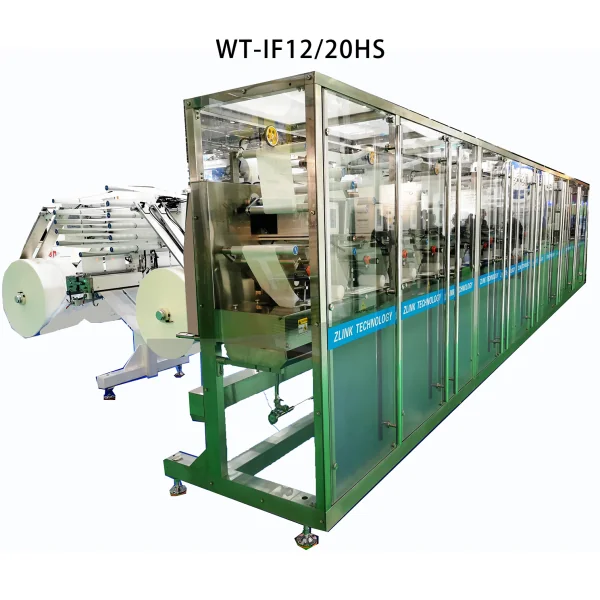
wet tissue paper making machine vendors often offer turnkey promises, but I’ll be blunt: a lot of those “fixes” are band-aids. Old approaches prioritize speed over controllability. You get a high-speed cross-fold unit and a fancy rewinder, but the PLC logic is generic, not tailored to your pulp blend or lotion pickup. The result? Uneven moisture, edge fraying, and a lot of waste. Look, it’s simpler than you think — you can’t treat spunlace and airlay the same, yet many systems try to do just that.
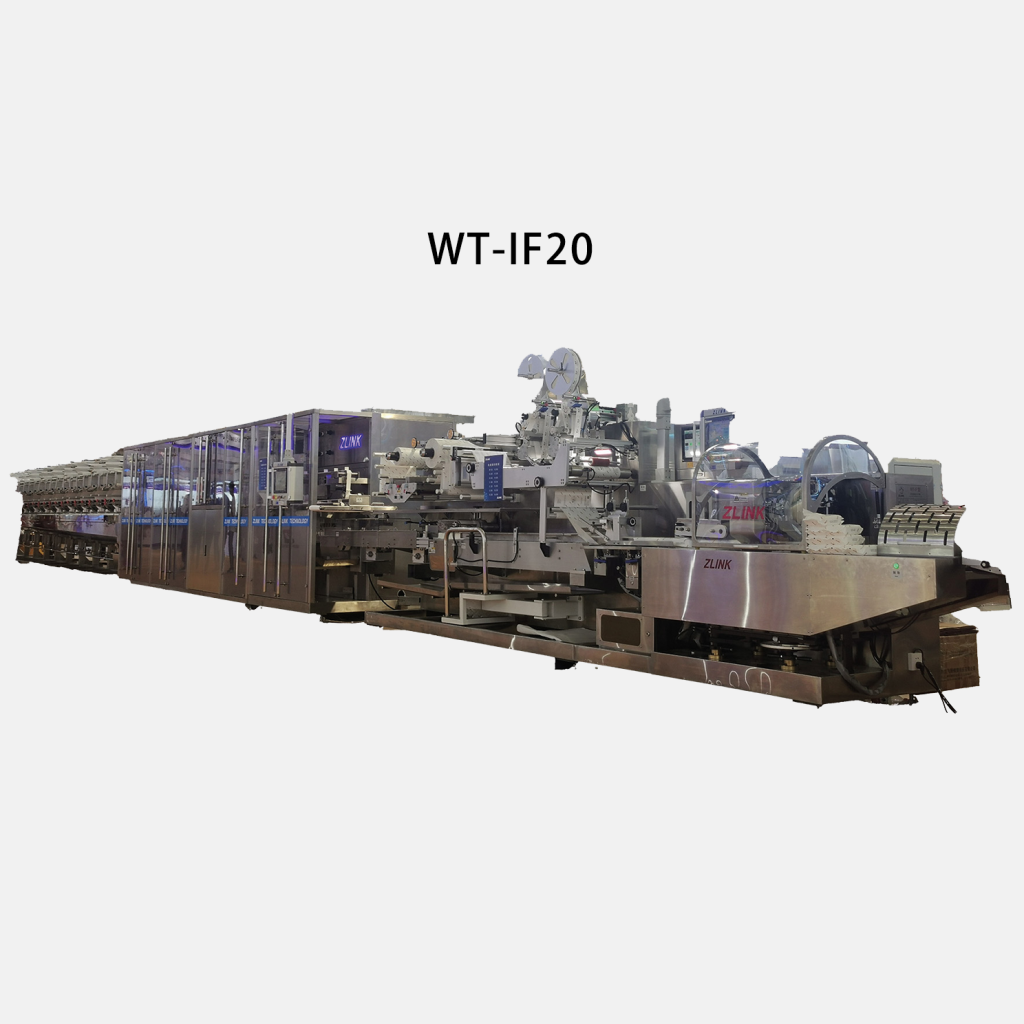
Directly, the biggest flaw lies in integration: servo motor tuning, inconsistent nip pressure, and poor sensor placement. Teams throw sensors at the line hoping more data fixes things — but without proper edge computing nodes and calibrated power converters, the data is noise. I’ve seen lines where vibration from an old gearbox corrupts tension readings; operators blame the roll, not the mechanical root. It’s frustrating because small investments (better control loops, optimized servos) yield big drops in rejects. If you want a clean sheet: focus on control fidelity, not just raw RPM.
Why not just upgrade one component?
Upgrading a single machine rarely solves systemic problems. You need matched components, coherent PLC recipes, and a plan for maintenance that respects both machine and material behavior.
Part 3 — New technology principles and a practical roadmap
What’s next? I’m excited about a few practical principles that actually change outcomes. First, closed-loop control across the line (tension, nip pressure, lotion spread) — not isolated pockets — makes process drift visible and fixable. Second, modular recipe management that links formulation data to machine settings. Third, predictive maintenance using simple edge analytics: watch bearing temp rise, swap the roller before it ruins a batch. These aren’t sci-fi; they’re engineering choices that reduce scrap and save hands-on time.
Putting it into practice with your wet tissue paper making machine means embracing a hybrid approach: retain mechanical robustness (good rewinder, reliable sterilization tunnel if needed) while adding smart control layers. I recommend staged upgrades — start with sensors and control algorithms, then add predictive analytics. It spreads cost and shows wins early. — funny how that works, right?
What to measure when you choose a solution?
Here are three evaluation metrics I always use (and I suggest you use them too):
1) Yield improvement per month — tangible and immediate. 2) Mean time between failures (MTBF) — mechanical health quantified. 3) Recipe reproducibility — how often a batch matches target lotion pickup and fold precision. These metrics cut through vendor gloss and show real performance. I’ve tested this approach across lines with different substrates (spunlace vs. airlaid) and seen consistent improvements.
In closing, I’ll be candid: technology won’t fix a messy process culture. You still need skilled operators who understand the machine like a stove—warm hands, good timing. But with the right blend of control, sensors, and practical predictive work, you stop firefighting and start cooking reliable runs. For practical solutions and equipment that reflect these principles, I recommend checking offerings from ZLINK. I’ve worked with teams who made the shift — and the results, both on the line and in morale, speak for themselves.