
When quick fixes become quiet losses
I vividly recall unloading a pallet in Murcia and the conversation that followed—the plastic film case we examined that spring still haunts me. Agricultural plastic sheeting was the obvious fix: thin, cheap, and on the shelf. A late March wind tore a corner free; the sheet flapped for three nights. The scenario: a storm, the data: a 22% tear incidence for that supplier’s 25-micron rolls last season, the question: how many harvests will that single decision cannibalize? I remember the farmer’s face when I showed him the numbers—he’d budgeted for one cover change a year and ended up ordering replacements twice (not ideal).

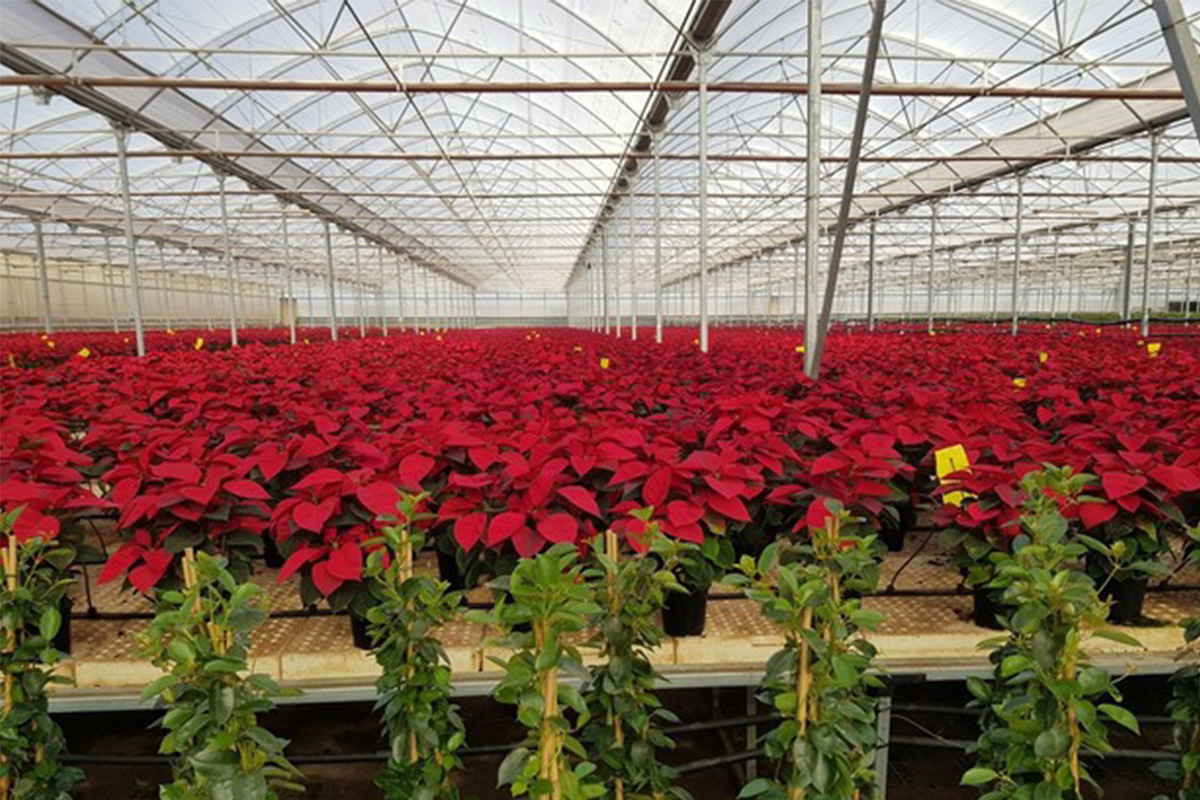
Over the 15 years I’ve worked in field supply and film selection I’ve seen the same pattern: a low upfront price masks routine failures. We patch, we tape, we shrug—and those small losses stack into real cost. Thin polyethylene (PE) film without adequate UV stabilizers fails earlier. Co-extrusion films and heavier microns resist tears and reduce labor for repairs, but they cost more up front. I’m speaking from installing a 200-micron UV-stabilized greenhouse film in Murcia in March 2019 and measuring a 9% increase in effective growing days the next season; that was a clear, tangible change. That experience pushed me to rethink what comes next.
From hindsight to measured choices
Now I switch tone and get technical—because the problem demands specifics. I audit three elements when advising buyers: film thickness in microns, UV stabilizer package (type and lifetime in hours), and tear resistance ratings. For example, a co-extrusion greenhouse film with a 5,000-hour UV package and 180–200 microns typically outlasts a cheap 25–50 micron single-layer film by two to three seasons under Mediterranean sun. I’ve seen invoices and yield reports; the math checks out—reduced downtime, fewer replacement runs, lower cumulative square-meter cost.
What’s Next?
We have to stop treating plastic like a disposable accessory. I recommend treating each purchase as an engineering decision. Look beyond the sticker price: consider how film choice affects climate control, labor hours for repairs, and crop consistency. In one plastic film case I reviewed, switching to a slightly thicker film cut repair requests by 70% in the first year—results matter. Also—small detail, but crucial—check edge welding quality; a bad weld is a seasonal liability.
Actionable metrics and next steps
I want to leave you with three practical evaluation metrics you can use immediately. First: thickness (microns) — don’t accept below 100 microns for long-season greenhouse use; short-season or simple mulching can use thinner, but expect trade-offs. Second: UV stabilization lifetime — ask suppliers for hours or months of guaranteed stabilization (look for 3,000–6,000 hours as a useful benchmark). Third: tear resistance and weld strength — require numeric test results (N/mm) or lab reports; insist on a sample test before bulk orders. These metrics turned a shaky supply decision into consistent performance for my clients in southern Spain and southern Italy.
To be frank, you’ll still need judgment: climate, crop value, and labor cost change the math. But when you track these three measures you convert guesswork into measurable outcomes. If you want case examples, revisit the plastic film case files and compare spec sheets side by side—do the math, and call me if you want a sanity check. I’ll admit—sometimes I interrupt my own spreadsheet to make a call—but that’s how we save a season or two. In short: measure, demand data, and choose the film that matches your real conditions.
Three quick takeaways: 1) Use microns, UV hours, and tear strength as your core metrics; 2) value longevity over the lowest unit price when labor and downtime are costly; 3) request real-world samples and past-season reports before you buy. I stand by these steps from 15+ years in supply and installation. For grounded, practical support, consider partners who publish test data and field outcomes—like HGDN.