
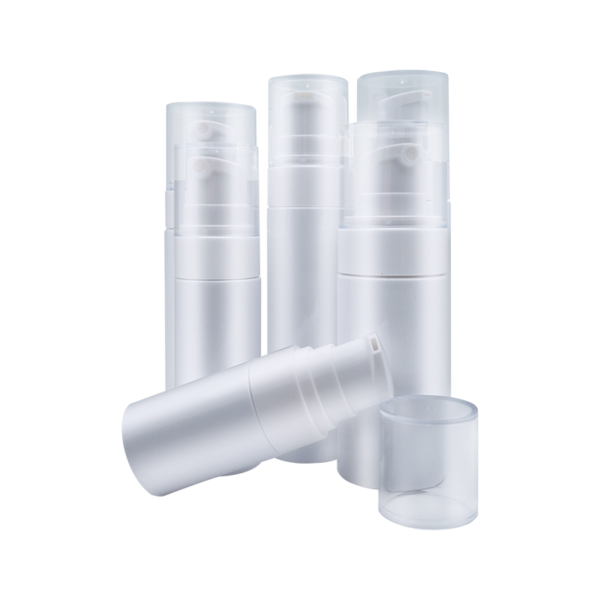
Setting the Scene: A Direct Look at Performance
Here is a blunt finding: most product waste does not start in the formula. It starts in the pump. A pet pump bottle shows its true value in routine use, not on a spec sheet. Picture a busy clinic shift or a salon rush. One sticky actuator. A dose that runs short. Two seconds lost each time, multiplied all day. In field audits, small dosing drift can reach 5–8% in light gels, and leak rate spikes after hot transport are not rare. Is it the bottle, the pump, or the way they meet (fit and finish matter)? The core question is simple: how do factories build stability into such a small device, and why do we miss it?

We need to look past “it works fine” and ask about dose repeatability, seal integrity, and the real costs of failure. So, what actually drives reliability—and where do our old assumptions break?
Deeper Than the Surface: Where Legacy Choices Fail
Where do traditional pumps fall short?
As noted earlier, we compared what people see—price and feel—to what they get. Now let’s go deeper and name the hidden gaps. A modern pet pump bottle factory is built to control variance. Traditional sourcing often is not. Three pain points cause most trouble: dose creep after repeated use, thread mismatch that raises opening torque, and clog risk with high-viscosity formulas. Look, it’s simpler than you think: if the spring rate shifts, your dosage accuracy drifts; if the dip tube cut is rough, backflow bubbles enter; if the gasket is mismatched, micro-leaks appear—funny how that works, right?
Older approaches chase low unit cost and let tolerances float. That creates small shocks in the system. Actuator travel changes by a millimeter here, a seal compresses a hair there, and the user feels it as inconsistency. Over time, fatigue in the return spring and minor thread wear raise torque beyond comfort. In hot/cold cycles, poor resin control can stress-crack the closure. The result is failure that looks like “user error” but is not. Technical fix: matched mold cavities, stable PET preforms, and controlled assembly in an ISO cleanroom. Practical fix: test the bottle as a system, not as parts. When you do, complaint rates fall, and refills run smoother.
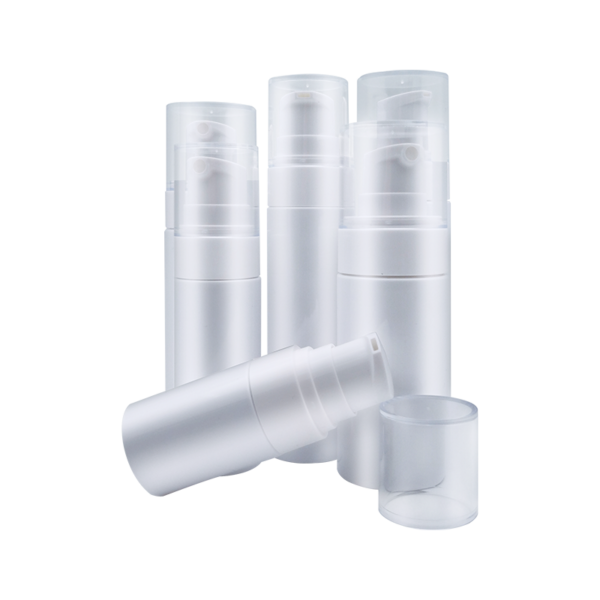
Comparative Insight: New Principles That Close the Gap
What’s Next
The next wave is not a gimmick. It is tighter physics and better feedback. A forward-looking line treats the pump as a metering device. Geometry first: micro-geometry in the nozzle reduces shear and keeps gels stable; a tuned spring rate keeps stroke travel within a tight band; and a tapered dip tube cut lowers bubble uptake. On the process side, in-line vision checks the orifice and collar fit, and torque monitoring flags outliers before packing. When a pet pump bottle supplier builds around those principles, you get steadier flow and fewer surprises (less mess, less guess). It feels simple in the hand, because the complex parts were solved upstream.
We can compare old to new in daily use. Legacy pumps drift over time; modern metering keeps the coefficient of variation tight. Older closures fight you with stiff opening torque; improved thread pitch and lubrication make it smooth. Old lines treat leakage as a random event; better seal design and pressure testing make it rare. The path forward is clear—design for dose first, not just for cost. Summing up: control viscosity effects with smart channeling, prove seal integrity under heat, and protect the user with stable actuation. Then iterate. That is how small changes add up to cleaner counters and calmer teams—because consistency is a relief.
If you are choosing what to buy next, use three checks. First, dose consistency: look for tight repeatability over 1,000 strokes. Second, seal performance: demand pass results after temperature and drop tests. Third, usability torque: opening and actuation should stay within a comfortable band, even after aging. These simple metrics turn a guess into a plan, and a plan into fewer returns. For a steady, practical starting point, see how teams like NAVI Packaging approach the system as a whole—and keep asking for the data that proves it.