
Problem Statement: Waste fuel, variable quality, and operational risk
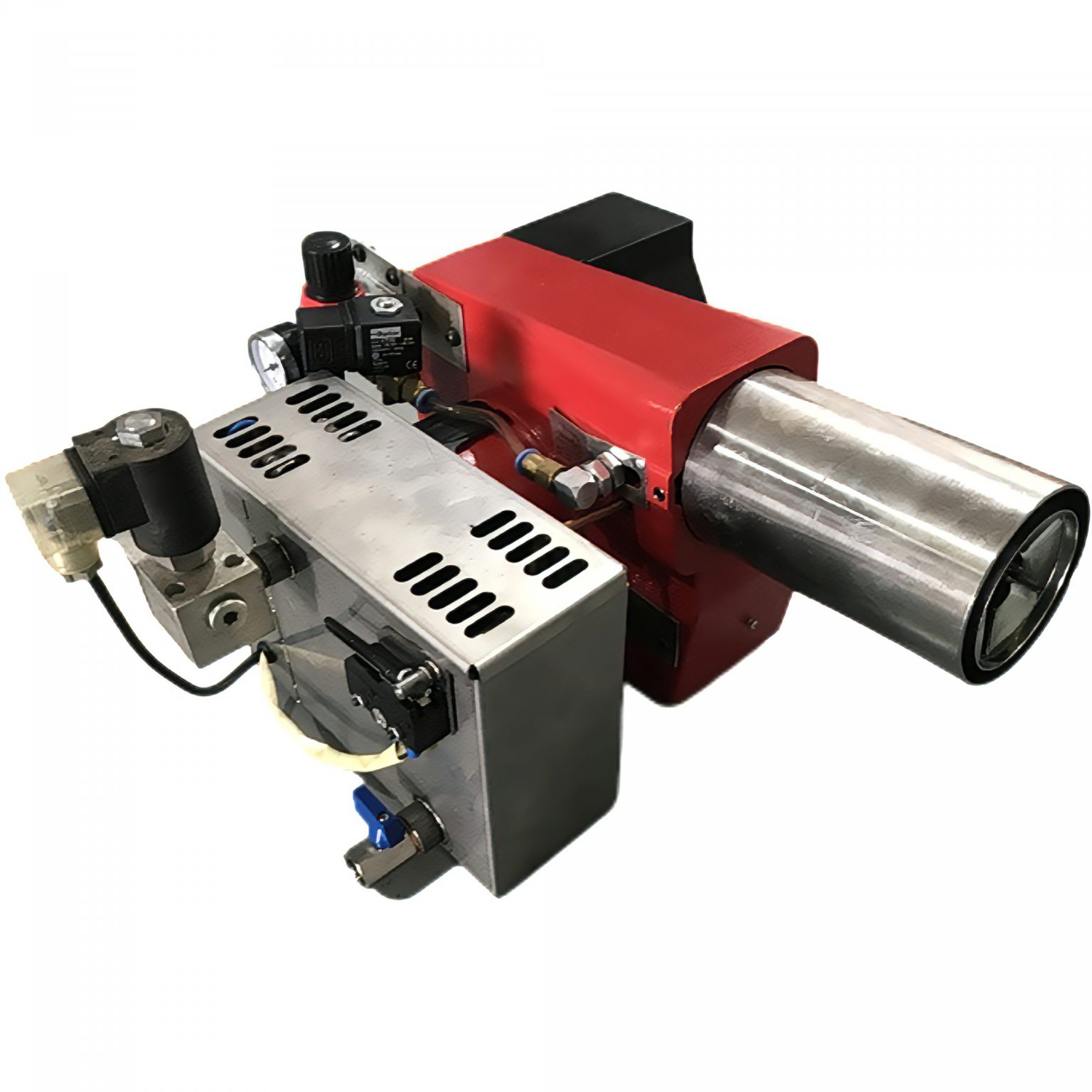
Combustion engineering faces a clear problem: variable fuel quality and strict emissions rules create frequent failures on-site. Facilities that must dispose of used lubricants and process oils cannot rely on a one-size-fits-all heating device. The solution often chosen is the industrial oil-fired furnace because it can accept reclaimed fuels and keep thermal processes stable; see practical options for an industrial waste oil burner. Engineers must confront fuel heterogeneity, soot formation, and unpredictable burner response. These are problems that force design changes, not trivial adjustments.
Why oil burner furnaces solve the core problems
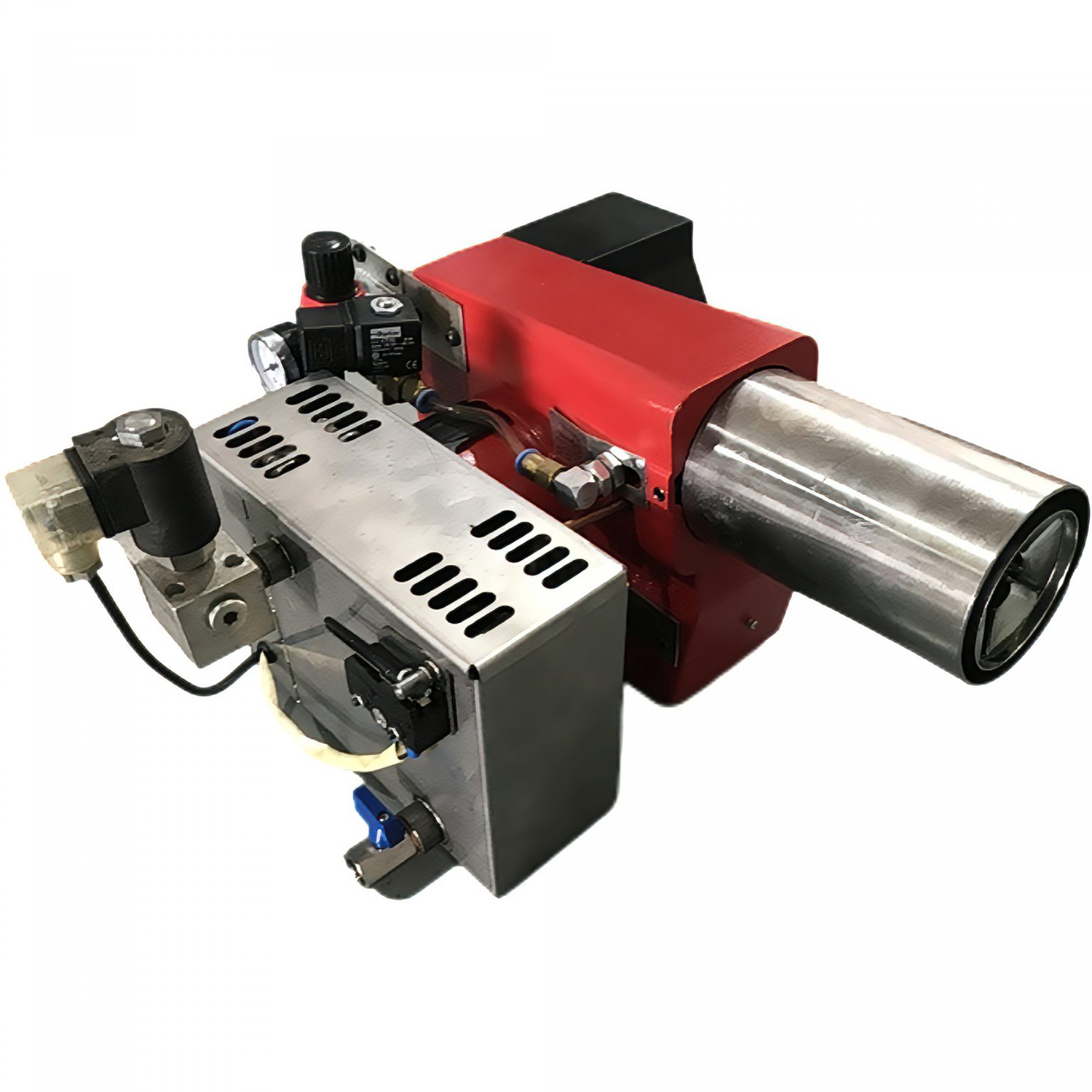
Oil burner furnaces handle viscosity changes through controlled atomization and staged combustion. Precise air–fuel control reduces incomplete combustion and particulate. Proper refractory and heat-exchanger design protect structure from corrosive byproducts. Field-tested control loops and modular burner heads allow tuning to local fuel blends. This is direct engineering: measure, adjust, and stabilize. The result is lower downtime and repeatable heat profiles for industrial processes.
Technical details that matter to operations
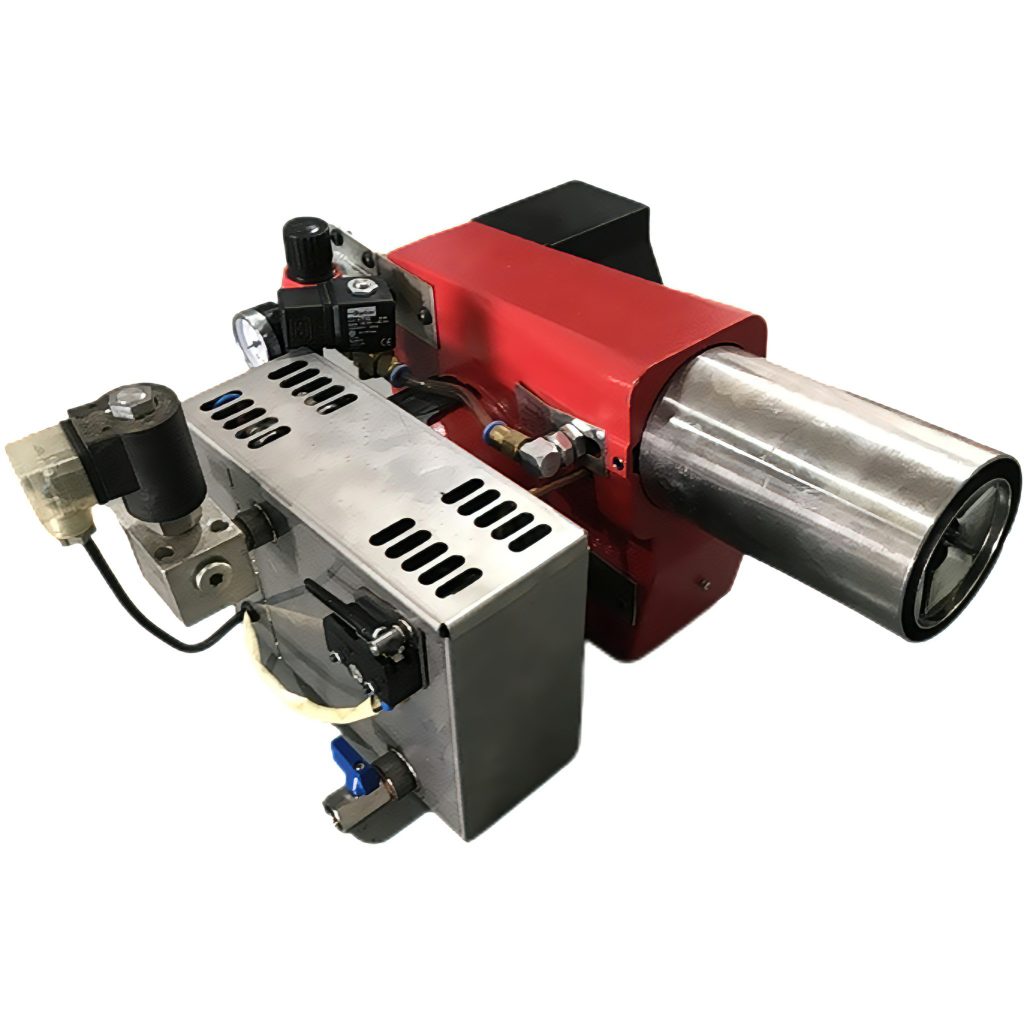
Focus on three concrete things: nozzle and atomizer choice; air-fuel control hardware; and maintenance access. Nozzle geometry determines droplet size and flame shape. A reliable ratio controller prevents rich combustions that produce soot. Design access for inspection and cleaning reduces service time. Materials must resist sulfur and chlorine in reclaimed oils; choose alloys and coatings accordingly. These specifics decide whether a furnace runs months or fails after weeks.
Common mistakes and how they create cost
Operators often pick burners by price rather than by matching fuel characteristics. They omit pre-treatment such as settling and coarse filtration. They ignore flue-gas sampling after commissioning. Result: blocked nozzles, repeated tune-ups, and higher fuel cost from incomplete combustion. The correct habit is to specify fuel acceptance range, require sampling after the first 100 hours, and set routine nozzle inspection intervals. That reduces unplanned outages.
Alternatives and why furnaces remain the practical choice
Natural gas burners give cleaner combustion but demand pipeline access and stable gas supply. Thermal oxidizers destroy pollutants but add complexity and high capital cost. Boilers designed for light fuels can be adapted, yet many process lines need direct-fired radiant heat that only oil burner furnaces provide. For sites with on-site waste oil streams, furnaces balance capital, operation, and disposal needs with fewer system additions.
Real-world anchor: manufacturing clusters and industry practice
Manufacturers are concentrated in Zhejiang and nearby provinces where assembly lines and service networks exist; those clusters supply many models suitable for heavy reclaimed fuels—local expertise shortens lead times and improves aftermarket support. Trade shows in Shanghai regularly exhibit compliance-driven designs, reflecting the industry’s focus on emissions control. For supplier evaluation, consult recognized waste oil burner manufacturers and verify service coverage and parts availability close to your site.
Selection checklist — concrete criteria to use now
Require: defined fuel viscosity and allowable contaminants; nozzle and atomizer options specified; an automatic air–fuel ratio controller; accessible inspection ports; and warranty terms that include emissions tuning. Also require documentation for start-up combustion tuning and a parts kit for nozzles and seals. These items create predictable commissioning and controlled operating cost.
Conclusion: Practical value to procurement and engineering
Problem-solving leads to clear choices. When waste streams vary and process heat must remain steady, oil burner furnaces provide controllable combustion, maintainable hardware, and a route for responsible disposal. For practical procurement and reliable designs that match these needs, engineers often turn to options listed by Career Burners, where model specifications and service details help align selection to site conditions.

