
Start here — why customization matters to you
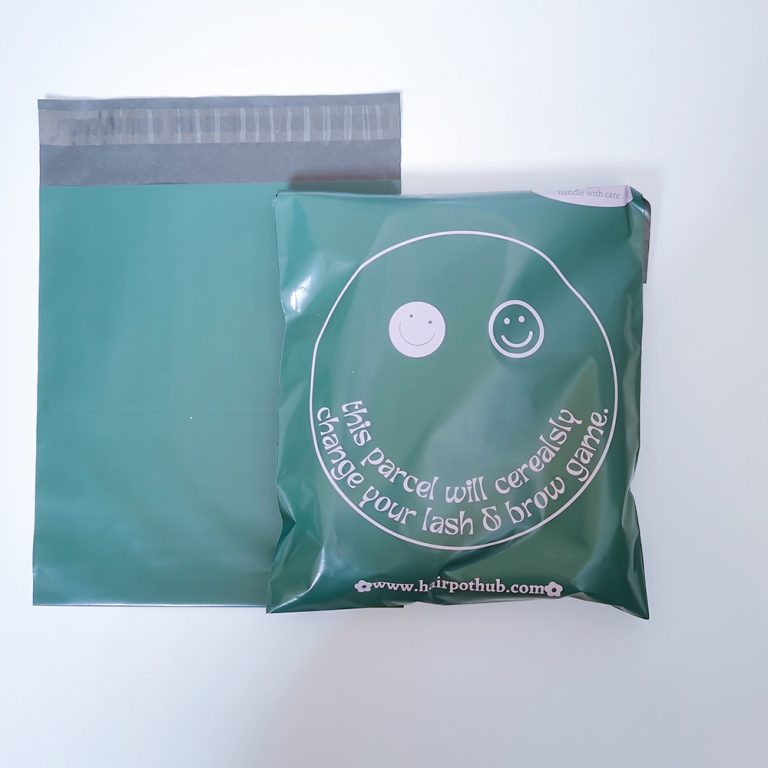
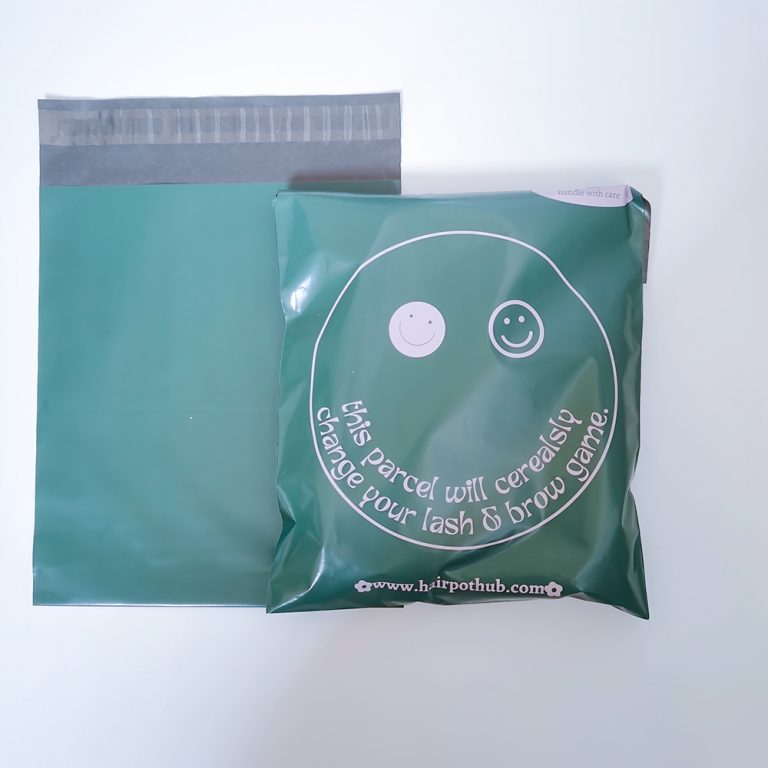
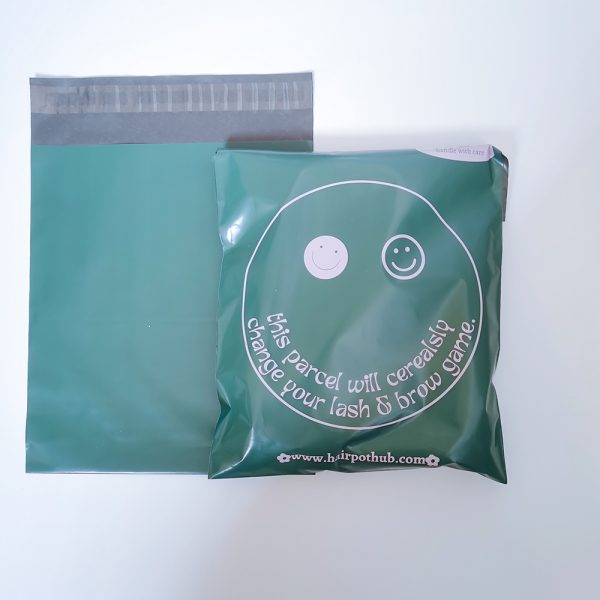
If you run a high-frequency subscription box, every package is a repeat performance. You need something that protects product, cuts costs, and keeps customers smiling when the tape comes off. That’s where custom printed poly mailers earn their keep: branding on arrival, low weight for shipping, and simplified packing lines. This piece walks you through the choices that actually move the needle — materials, print strategy, and the logistics realities that a procurement manager cares about day in, day out.
Who we’re writing for — the user-centric angle
This is for the ops lead, the procurement manager, and the founder handling fulfillment calls at 7 p.m. You want clear answers: how do MOQ and lead time affect monthly cadence? What material gives you credible eco-claims without wrecking the bottom line? How tight must your print bleed and barcode placement be to avoid jams at the sorter? We’ll keep it practical and give you checklists you can use while you’re on the phone with suppliers.
Material choices that actually fit subscription scale
Common options: LDPE/MDPE films, recycled-content polymers, and compostable blends. For heavy returns on frequency, MDPE-style polymer film with a reliable adhesive strip is often the best compromise: durable, light, and compatible with automated sealing. Compostable bags look great in marketing but can cause friction on high-speed sorters if they stretch differently. Think performance first — sustainability second — unless your brand promise depends on certified compostability.
Design rules that save time on the packing floor
Keep design specs simple and consistent. Two practical rules: limit face art to one heavy-color area and reserve a clear zone for shipping labels and scannable barcodes. Get a technical drawing to lock placement tolerances for label printers. Also, plan for print bleed and ink set that won’t smear under mechanical sorting. Small changes here stop slowdowns downstream and reduce rework runs.
Supply realities: lead time, MOQ and contingency planning
Don’t assume a quoted lead time stays fixed during peak seasons — 2020’s supply-chain disruptions showed that plainly. Lock in committed lead times in your purchase agreements and demand measurable KPIs: on-time delivery percentage, sample approval windows, and a contingency plan for raw-material shortages. Use staggered replenishment: smaller, more frequent buys to avoid big stockouts, but only if your supplier can keep lead times consistent.
Cost levers you can actually control
Tooling and setup: amortize tooling costs over realistic run lengths. Printing: fewer colors reduces per-unit cost considerably. Packaging weight: every gram saves on postage. Borderline decisions — like switching to a heavier film for perceived premium feel — will hit you every week in shipping. Run the math on total landed cost, not just unit price, and you’ll make better calls.
Common mistakes teams make — and quick fixes
Teams often mess up in three ways: wrong acceptance criteria, ignoring machine compatibility, and vague sustainability claims. Fixes are straightforward:
- Set a written first-article inspection checklist tied to payment milestones.
- Run supplier samples on your actual packing equipment before a full run — that avoids costly jams at scale.
- Ask for certification paperwork for recycled or compostable claims; vague language isn’t enough.
Also, don’t assume your warehouse label printer will play nice with a textured finish — test it. —
How to evaluate suppliers — a quick procurement scorecard
Score vendors on three buckets: reliability (on-time delivery %, lead-time adherence), technical fit (film specs, adhesive reliability, print registration), and sustainability compliance (verified recyclability or compostable certification). Request these artifacts during bidding: sample run-off, QA pass rates, and certification documents. That makes comparisons objective instead of a gut call.
Alternatives and when each makes sense
If you want lowest cost per unit and ship massive flat-rate boxes, commodity poly from bulk Asian suppliers works. If brand differentiation is priority, go printed with a thicker tactile film — just expect higher postage. For mid-size subscription services that scale monthly, a regional supplier with flexible MOQs is usually the sweet spot. If you want to see a range of options, check examples of custom printed mailer bags to get a sense of what’s typical and what’s premium.
Golden rules — the three metrics you must track
1) On-time fill rate: measure how often your supplier ships to schedule. Misses here equal backorders and angry subscribers. 2) First-article acceptance rate: your QA gate at sample stage — if you fail it, don’t move forward until corrected. 3) Total landed cost per shipment: unit cost plus postage, returns handling, and rework. That number tells you if a cheaper bag is actually cheaper.
Follow those metrics and you’ll cut surprises and cost creep. For procurement teams juggling speed, brand, and sustainability, a supplier that hits those marks becomes your operational anchor — which is exactly the kind of value offered by WH Packing. —