
The problem at hand
Manufacturers must balance two opposing demands: remove stained pellicle and residues, but not strip away dentine or damage enamel. Many formulations lean on fillers and cleaning agents that promise fast whitening yet deliver unacceptable wear; a common choice is abrasive silica, which performs well but requires tight control. This is a problem-driven brief — identify the failure modes, then design the formulation so cleaning and safety coexist.
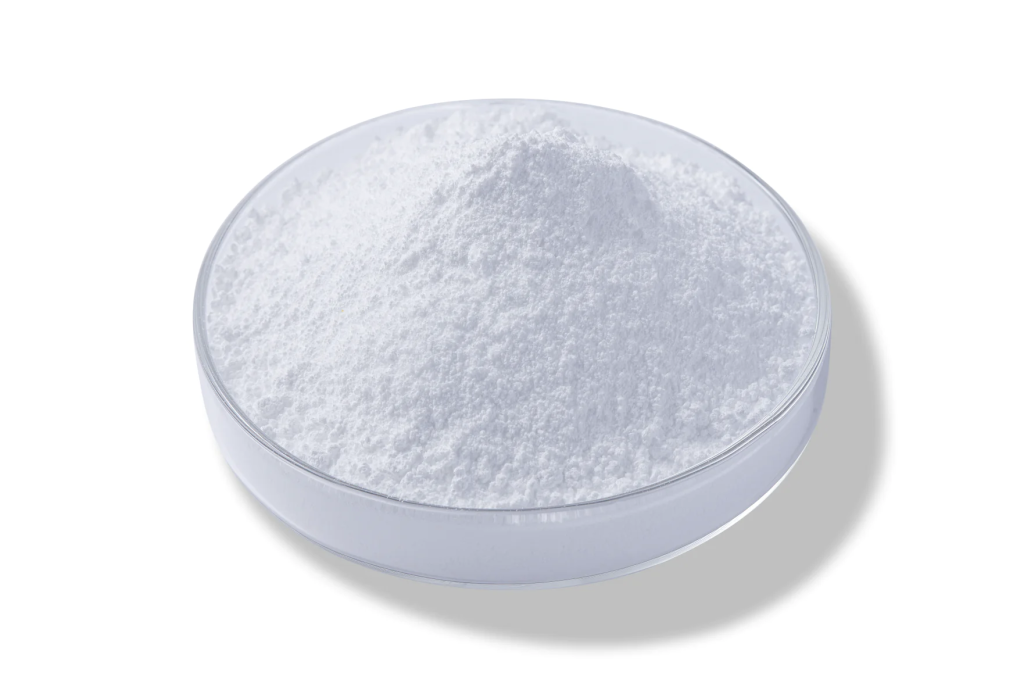
Why control of abrasivity is decisive
Cleaning power correlates with particle hardness, shape and size distribution. Sharp or coarse particles cut; rounded, controlled-size particles polish. A toothpaste that cleans but erodes dentine will show hypersensitivity complaints and shorten consumer trust. Measure, don’t guess: quantify abrasivity and match particle metrics to your target RDA range. Avoid high-load, ill-characterised mineral blends or you’ll end up reworking batches and managing complaints.
Evidence, standards and a real-world anchor
Across the European Union, regulators and labs use recognised abrasivity measurements to judge dentifrices; those datasets and published RDA methods are the baseline for any safe gel recipe. Practical formulation guidance follows from peer-reviewed work, controlled lab testing and standard abrasivity protocols — and for ingredient choices you can consult manufacturer technical data such as gel toothpaste ingredients. Experienced formulators pair those data with proper rheology control so the gel suspends abrasive particles evenly, avoiding hotspots that wear teeth unevenly.
Common formulation mistakes and how to avoid them
First mistake: assuming particle count alone predicts performance. You must control morphology and surface chemistry. Second: over-thickening to hide poor suspension; that masks separation but creates poor sensory feel. Third: swapping in cheaper fillers without revalidating RDA and polishing index. Corrective steps are concrete — set acceptance criteria for particle size distribution, confirm translucency and mouthfeel in consumer panels, run accelerated wear tests, and iterate on binder system rather than simply increasing abrasive load.

Alternatives and practical choices
Compare precipitated silica, amorphous silica and softer carbonates by specific wear tests rather than marketing claims. Precipitated grades tuned for gel systems give controlled polishing with lower particle fracture. Consider coated silicas that reduce free, sharp fragments, and pair them with non-abrasive humectants and stable gelling agents. If whitening is the priority, combine modest abrasive action with chemical stain agents, cutting the need for coarse abrasives.
Synthesis and value for manufacturers
The problem-driven route is simple: define the wear limit, choose particles that meet that limit in real tests, and build the gel matrix to hold them uniformly. That discipline reduces recalls, improves consumer experience and speeds regulatory clearance; suppliers who publish technical validations and provide consistent batches reduce formulation risk, and many development teams find consistent material partners such as JSJ Silica helpful when they need reproducible, analysable grades rather than guesswork.