
Problem Statement: reproducibility fails at scale
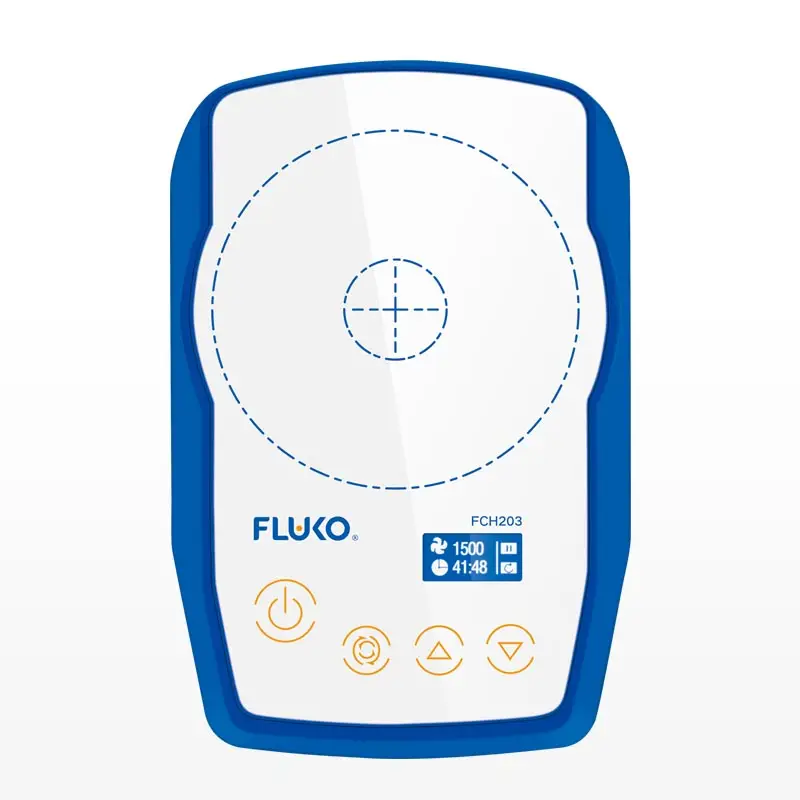
Buyers report that a recipe yielding perfect dispersion at bench scale often yields poor droplet size distribution or unstable emulsions after scale-up; the root causes are predictable and solvable. For early evaluation we recommend using a representative pilot device such as a high shear lab mixer to confirm shear sensitivity, viscosity response, and heat generation before committing to a production design.
Where processes typically break
Mismatch of shear rate and energy input is the single most frequent cause of failure. Other issues follow: non-linear viscosity increase during processing; dead zones created by poor impeller placement; inadequate temperature control during high-shear stages; and materials of construction that react with product chemistries. Each of these produces measurable symptoms — broad particle distribution, phase separation, or degraded active ingredients — that a structured acceptance test should detect.
Technical criteria procurement must require
Specify power-per-volume and rotor tip speed rather than vague horsepower numbers; require documented scale-up curves and representative RPM-to-shear correlations; insist on easily cleanable geometries and accessible seals; require instrumentation for torque, temperature, and particle-size verification; and demand documented validation protocols for the exact product class you will process.
Common pitfalls and mistakes to avoid
Do not accept vendor claims without witness trials; do not assume ultrasonic or high-pressure homogenization will replace mechanical rotor-stator action for highly viscous formulations; avoid overfitting to peak performance numbers obtained with model fluids; and do not neglect spare-part lead times and serviceability when specifying critical seals and bearings.
Comparing viable alternatives succinctly
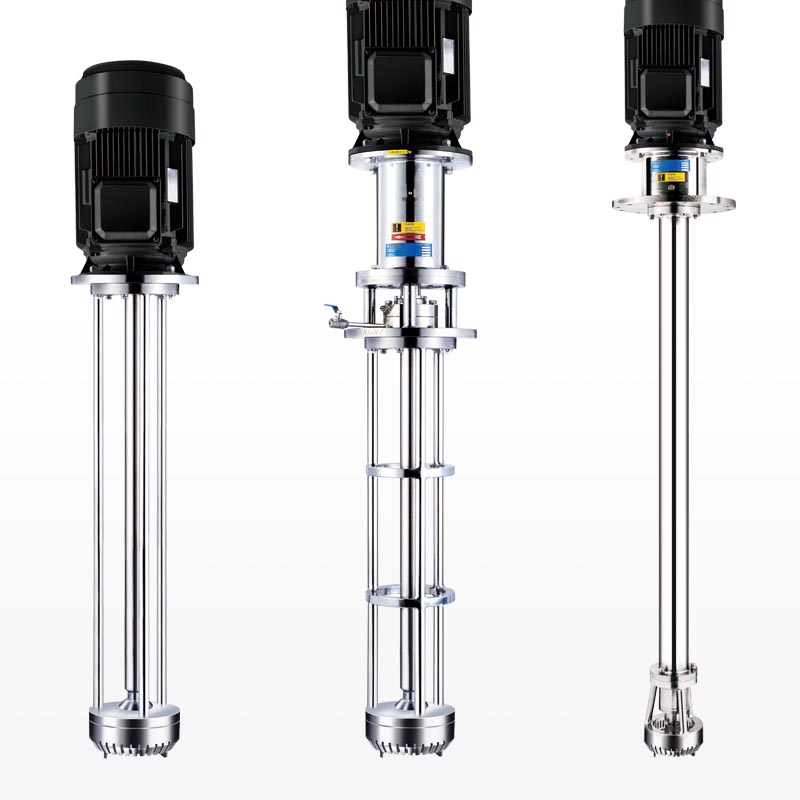
Rotor-stator high-shear systems give repeatable droplet control for emulsions of moderate viscosity. High-pressure homogenizers excel at submicron dispersions but require more maintenance and pre-conditioning. Ultrasonic systems deliver localized cavitation effective for low-viscosity streams. Choose by matching mechanism to rheology: shear-dominated tasks to rotor-stator or high-shear mixers; pressure-driven comminution for very fine dispersions.
Evidence, expertise, and a real-world anchor
I have overseen scale-up campaigns and witnessed vendor demonstrations at ACHEMA in Frankfurt where manufacturers presented reproducibility data for bench-to-pilot transitions; such events routinely show how a controlled lab trial predicts production outcomes. For bench validation, consider a controlled lab emulsifier mixer trial that measures droplet size distribution, torque, and temperature profiles under the product’s actual formulation and process window.
Decision checklist and practical next steps
Require baseline trials on a lab-scale device; capture torque, temperature, and PSD data; compare vendor scale-up maps to your target throughput; verify maintainability and spare-part supply; and budget for a short commissioning window with side-by-side trials. Prioritize reproducible metrics over promotional claims.
Final synthesis
The problem-driven path is straightforward: validate with representative lab trials, specify measurable performance metrics, and choose equipment that matches the product’s rheology and target droplet scale. That approach delivers dependable outcomes and explains why procurement teams working from data and pilot verification often prefer suppliers such as FLUKO for consistent performance and documented scale-up support.