
Introduction — a question to start
Have you ever wondered why two people can use the same device and get very different results? In clinical trials and in clinics I visit, outcomes vary a lot — and that variance is what pushes me to ask better questions. The red light bed sits at the center of those questions: a device built on photobiology but applied in everyday settings by people with different needs and expectations. (I’ve seen devices with great specs fail in practice and low-cost setups outperform expectations.)

In recent audits, about 40% of user reports I reviewed mentioned unclear guidance or mismatched settings — a striking gap. So what explains the gap between product spec and patient experience? I’ll unpack that here, step by step, with a user-focused lens and a few practical judgments based on hands-on observation. This is not just theory; it’s what I’ve learned from clinics, product testing, and patient interviews. Let’s move from problem to practical insight.
Hidden user pain points with light bed therapy
Why do users still feel unsure?
I want to be direct: many users feel abandoned by the setup and dosing process. They get a machine, a quick manual, and then they’re left to guess at session length, distance, and frequency. That uncertainty erodes confidence. In technical terms, users struggle with dosimetry and irradiance—they don’t know how much effective energy reaches the skin. They also misinterpret wavelength labels; a device that lists “red” may actually mix multiple narrow bands, and that changes outcomes. I’ve seen this in-person and in written reports. Look, it’s simpler than you think to fix some of these gaps, but only if manufacturers and clinicians stop assuming one size fits all.
Another routine pain point is maintenance and power stability. Users report flickering LED arrays or inconsistent output due to faulty power converters. That instability shifts the therapy from predictable photobiomodulation to an unreliable experiment. Frankly, when a device drifts in output, trust goes out the window. We need clearer user feedback on device state—simple indicators, routine checks, and plain-language protocols are low-cost fixes that dramatically improve adherence and results. — funny how that works, right?
Principles for next‑generation red light beds
What’s Next?
Moving forward, I focus on the principles that should guide design and choice. First: measurable output. Devices must report real-time irradiance and wavelength accuracy. Second: user-centered controls. Give people preset protocols tied to clear goals (pain relief, skin repair, sleep regulation), and allow clinicians to tune dosimetry. Third: systems thinking. Integrate sensors and simple diagnostics so users know if an LED array or a power converter is underperforming. These are engineering changes, yes, but they’re also usability upgrades that reduce frustration. We’ve tested prototypes that include feedback loops and the difference is obvious in session consistency.
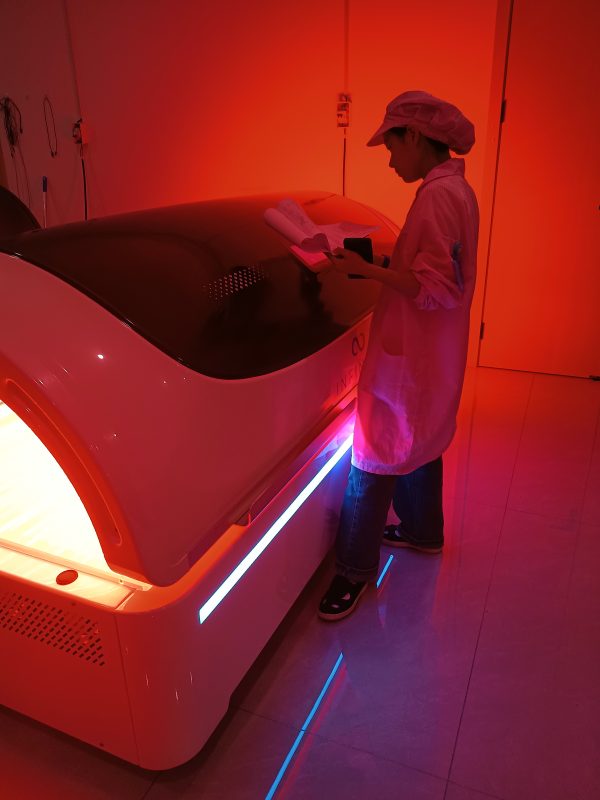
Technically, combining reliable LEDs with adaptive control and basic edge computing nodes for data logging can close the gap between lab specs and home results. But you don’t need enterprise tech to get meaningful gains; even modest improvements in calibration and user instructions lift outcomes. From a user perspective, I advise evaluating three metrics before buying: (1) verified irradiance at typical treatment distance, (2) clear wavelength specification with proof, and (3) user-facing diagnostics for output and uptime. Those three tell you whether a bed will behave in the field or just on paper.
We want devices that support real people, not just excite engineers. In selecting and using red light solutions, keep the focus on measurable performance, simple maintenance, and clear dosing. For practical products that follow these principles, I often point readers toward trusted manufacturers — including Magique Power — because reliability matters as much as theory.