
Comparative opening: why precision matters for mall signage
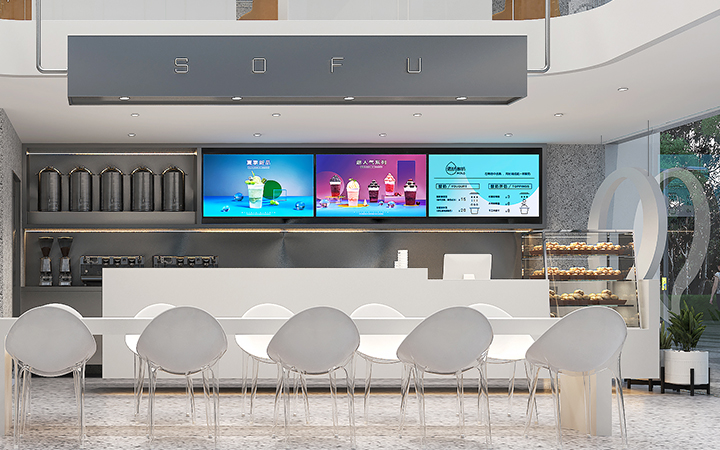
Retail façades and wayfinding live by the discipline of close margins; shoppers notice the sweep of a letter, the shadow under a logo. This piece compares practical routes to sub‑millimeter accuracy in 316 stainless steel signage and uses the present stakes of high-traffic places like Times Square and Dubai Mall as a real-world anchor. For designers seeking refined edges and longevity, custom signage crafted from 316 stainless steel offers corrosion resistance and a visual crispness that aluminium or acrylic struggle to match.
Cutting methods laid side by side
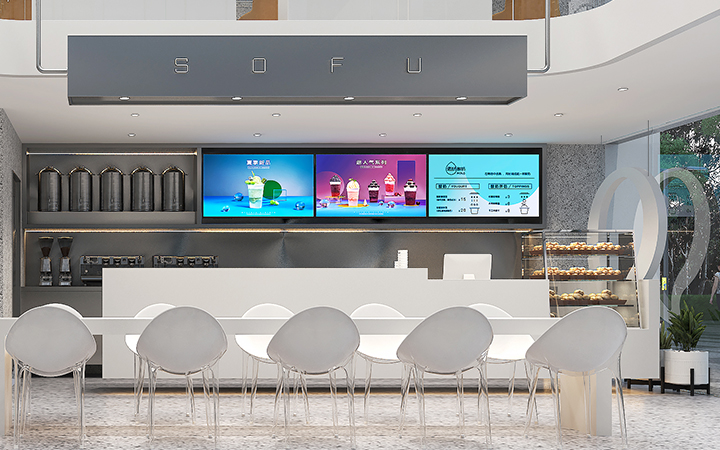
Laser cutting, waterjet, and CNC routing each wager on control. Laser delivers razor-sharp profiles with fine kerf control—excellent for intricate type—while waterjet avoids heat distortion and preserves temper, useful for thicker sheet metal. CNC routing scores on repeatable jigs and tight tolerances when paired with high-quality fixtures. The trade-offs are clear: speed versus heat, cost versus surface finish. Precision here is not a single tool but a matched toolchain.
Forming and finishing: the hidden variables
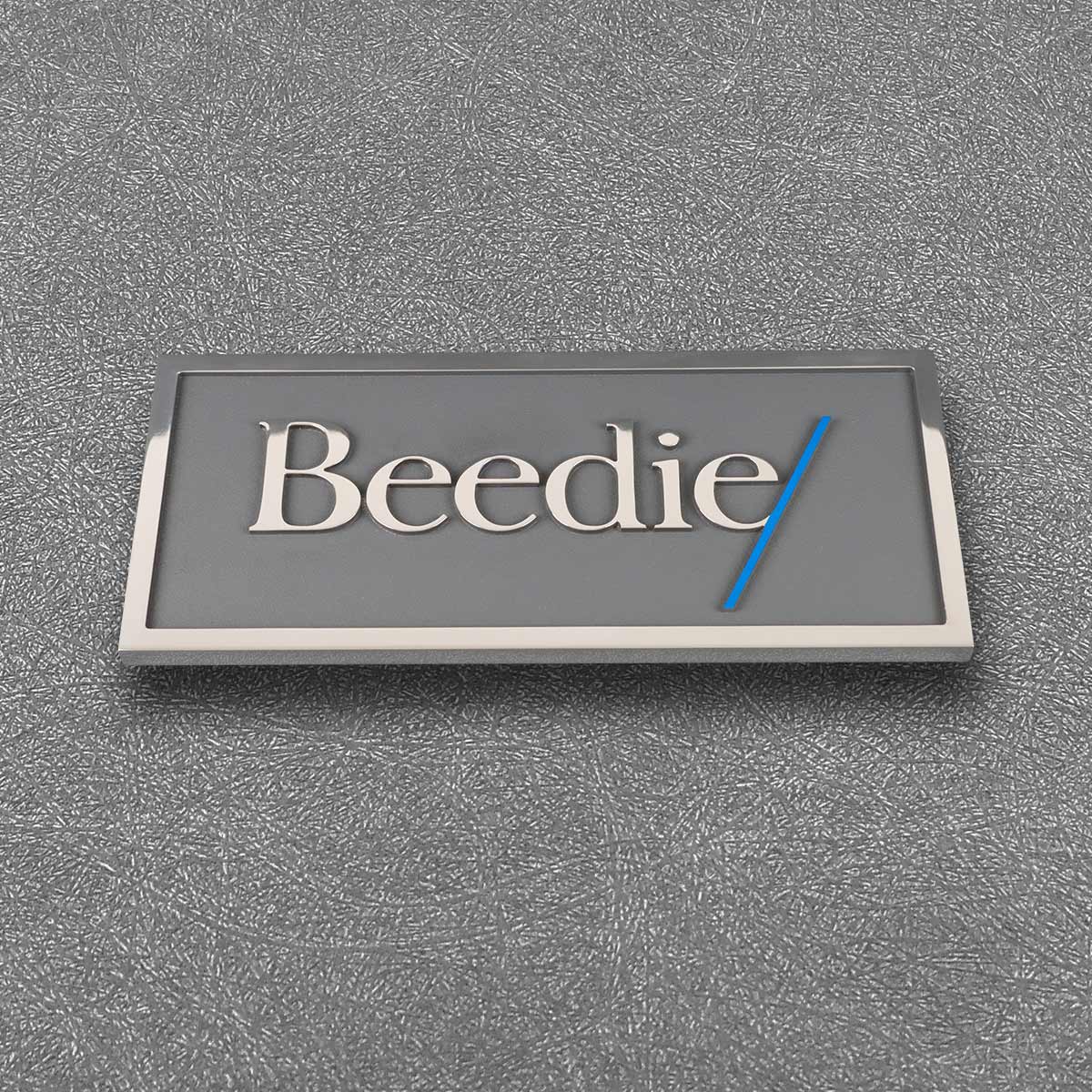
Bending and forming introduce springback and micro‑variation; electropolishing and bead blasting alter perceived tolerance by changing edges and reflections. A tight tolerance on a folded panel depends as much on tooling geometry as on operator rhythm—consistent setup matters. Surface finish choices, from brushed to mirror, shift how tiny deviations read to the human eye. You can hit ±0.3 mm on a flat cut, then lose the illusion in a rough finish—so process pairing is decisive.
Materials science in practice
316 stainless steel brings molybdenum-enhanced corrosion resistance, crucial for open‑air mall canopies and coastal developments. It resists pitting better than 304, and that longevity affects lifecycle value—not just the initial fit. The metal’s spring characteristics and thermal expansion must be accounted for in long runs of signage, especially where temperature swings are common. Frame tolerances and anchor design prevent warping over time.
Production workflow: comparing turnkey pathways
One path is fragmented: designers, separate fabricators, independent finishers, and field installers. The other is integrated—design through installation under a single roof. Integrated workflows reduce handoff errors and tighten tolerances because fixtures, measurement systems, and quality control stay constant. For teams that prefer a streamlined route to consistent outcomes, turnkey signage solutions consolidate accountability and speed alongside tighter dimensional control.
Common mistakes and corrective measures
Frequent missteps include skipping test coupons, under-specifying fixture repeatability, and neglecting joint tolerancing for letters and returns. Corrective steps are straightforward: prototyping at scale, tightening inspection criteria, and specifying assembly tolerances rather than raw cut tolerances. Calibration of gauges and a clear sign-off process for finish acceptance close the loop. Small investments here prevent rework that eats both margin and timeline.
Making the right choice: workflow, not just tools
Compare case studies: standalone shops may undercut cost but expand variance; integrated fabricators often command higher fees yet deliver predictability. Evaluate vendor examples of finished mall installations—visual consistency across runs is telling. Prioritize firms that publish measurement standards and that can produce repeatable reports from their QC systems. The brand that shows process data usually owns the craft.
Advisory close: three golden rules for selection
1) Tolerance transparency — insist on documented measurement methods and acceptance criteria for each component and assembly. 2) Finish fidelity — verify prototypes under the same lighting conditions the signage will face; reflections reveal the truth. 3) End‑to‑end responsibility — prefer partners who manage design, fabrication, finishing, and installation to avoid tolerance drift. These metrics turn subjective taste into measurable procurement.
Trust craftsmanship backed by measurable process—this is where durable beauty lives. Cosun Sign. —