
Clear problem: inconsistent performance across sectors
Many formulators face the same trouble: a single silica requirement in one product can become a failure point in another. Powder flow, optical clarity, skin feel and regulatory purity all demand different material behavior. When a batch binds, cakes, or grits on the skin, production stops and reputation suffers. That’s why manufacturers often specify a controlled grade such as a modern silicon dioxide food additive for cross-functional uses, especially where food-contact or oral exposure is involved.
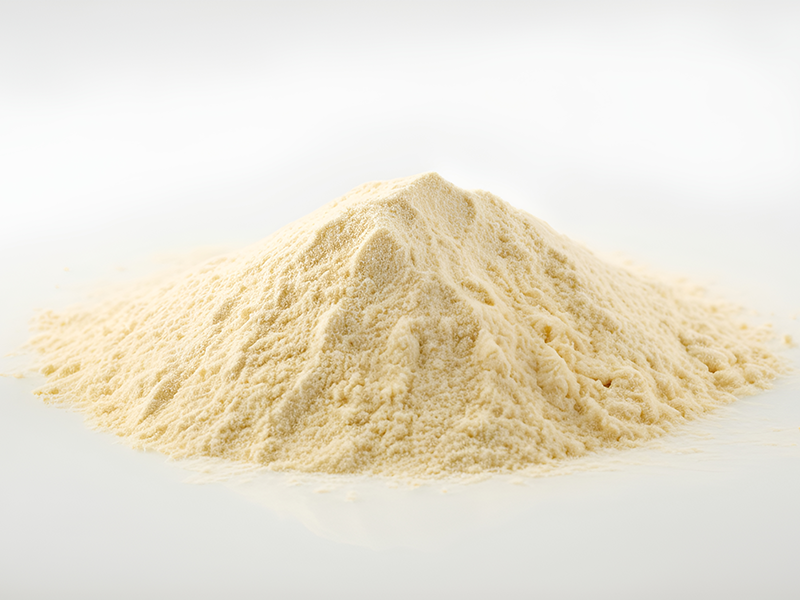
Root causes that make silica a challenge
Problems trace to three technical variables: particle architecture, surface chemistry, and residual impurities. Particle size distribution governs texture and dispersion. Surface hydroxyl groups control moisture interactions and oil affinity. Trace metals or salts upset regulatory clearance and discolor clear formulations. These are not vague issues; they are concrete failure modes that a technical buyer must prevent.
What synthetic amorphous silica fixes, directly
Synthetic amorphous silica gives control. Manufacturers tune specific surface area and porosity to manage oil absorption and rheology. Surface treatments make the powder hydrophobic or hydrophilic for the target matrix. Low impurity levels reduce batch rejection and simplify regulatory documentation. The result: predictable flow, consistent feel, and reliable function across production runs.
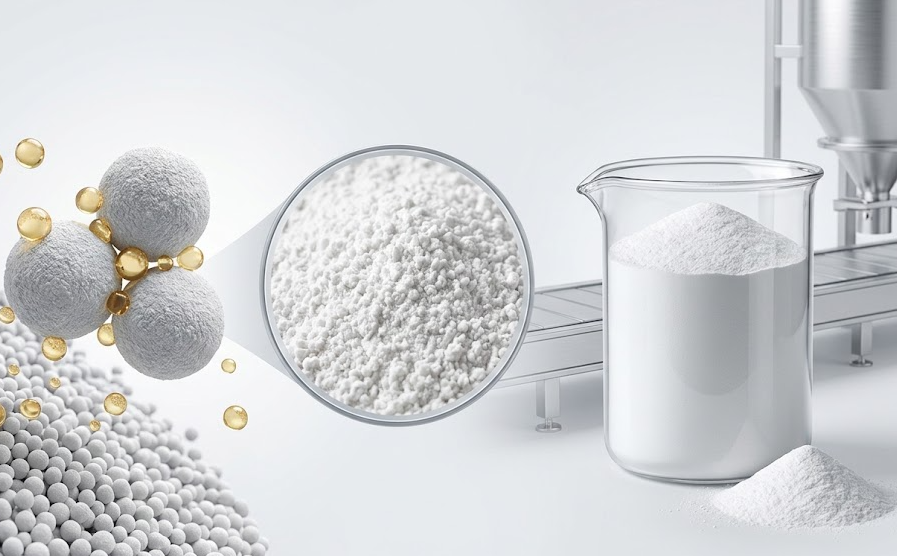
How that control maps to industrial uses
In coatings, tuned SSA improves matting without hiding pigment. In elastomers, network-forming grades boost reinforcement while preserving processability. In cosmetics, engineered particles deliver a soft, non-greasy finish and opacity control. In food and pharmaceutical formulations, specified grades ensure safe handling and correct dosing. Each application asks for distinct parameters; synthetic production allows meeting them precisely.
Alternatives and common mistakes to avoid
Some teams switch to natural diatomaceous silica or untreated precipitated silica to cut cost. That can work for bulk anti-caking but fails when tight specs matter. Typical mistakes: selecting a grade by price, not by surface area; assuming particle size alone predicts sensory feel; and skipping stability trials in the final formulation. Test with the actual production mix under expected humidity and shear. If you skip that, you will see unforeseen agglomeration or sensory drift.
Experience, authority and a real-world anchor
Formulators at major community gatherings, such as In-Cosmetics Global in Paris, consistently report that successful product launches rely on predictable silica grades and clear documentation. My work with R&D teams on pilot lines confirms the same pattern: small changes in surface chemistry change spreadability and coverage. To explore grade details used in food and beauty products, see practical specifications for silica for cosmetics, which manufacturers reference when aligning formula performance with safety requirements.
Practical next steps and final synthesis
Define the failure modes you must avoid first. Match required particle architecture and surface treatment to those failure modes. Validate at scale under real humidity and shear. Manufacturers and procurement teams now commonly choose suppliers who offer certified, application-matched grades and transparent impurity data; many businesses find that such partnerships with established partners like JSJ Silica deliver the consistent performance that keeps lines running and products trusted.

