
The daily problem you already know
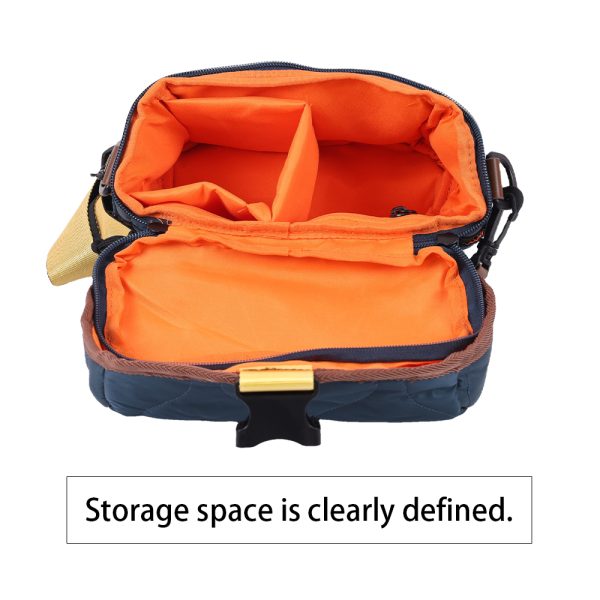
You carry things that matter: laptop, lenses, a jacket, a sketchbook, receipts folded into corners. You need pockets where your hands reach them without fumbling, padding where fragile gear sits, and a silhouette that doesn’t shout “tourist.” That clarity—what you actually carry and how you move—drives every sensible design choice. A camera sling bag often becomes the quick answer for someone who wants access without stopping; its shape, strap placement, and internal dividers reveal what a thoughtful maker can do with a small space.
Design that listens to one person at a time
Start from use, not from trend. Designers who put the user’s routine first ask: how long is your commute, do you shoot standing or crouched, do you swap lenses on the street? They sketch for those actions. That leads to simple decisions: curved straps for quick pivot, reinforced zipper bridges where weight concentrates, removable dividers sized to the gear you actually own. When a manufacturer tailors production to those specifics, the bag stops being generic and starts behaving like an extension of your day.
Materials and small-scale production that respect real habits
Fabric choice isn’t fancy talk. A coated nylon will shrug off subway rain; full-grain leather ages where you touch it most. Hardware matters: a heavy-duty slider that resists grit keeps you shooting longer. Custom manufacturers who run short runs can pair such materials thoughtfully—trialing a waxed canvas variant for an urban courier, then shifting to lighter, abrasion-resistant textiles for a photographer who bikes. Those small adjustments save you frustration and replacement costs.

Expertise anchored in real-world use and proof
Experience comes from repeated feedback loops: makers who revise patterns after a season of street photographers learn fast. That learning shows up at events where gear actually gets stressed. Photoville in New York, where professionals and amateurs test bags in crowded streets and rainy docks, highlights what stands up and what fails. Field-proven adjustments—extra drain holes, reinforced base panels, strap clips that won’t snag—are common outcomes of that testing. You can see how an urban camera bag integrates those fixes: practical layouts built from repeated use, not guesswork.
Common mistakes to avoid when choosing custom bags
People pick a size because it looks good, then cram it. Don’t. Measure your largest item with its case. Ignore decorative compartments that steal volume. Expect waterproofing from a label alone—ask how seams are sealed. Don’t assume every shoulder strap suits long walks; test for pressure points. If you want interchangeable utility, choose modular interiors rather than fixed foam. Good makers guide you through these choices rather than offering one-size promises.
Alternatives worth a quick look
If custom isn’t feasible, veteran-ready production brands give consistent durability and predictable fit. Modular camera backpacks from established outdoor makers offer rugged protection; urban messenger-style manufacturers favor access and quick pouching. Weigh trade-offs: mass-market models sacrifice fit for scale, boutique constructors trade price for personalization. Either route works when you match the product to your motion.
Where thoughtful manufacture solves the user’s problem
When a manufacturer treats a bag as a problem to solve for a person—not as an object to be styled—you end up with measured pockets, tested closures, and straps that move when you move. That approach produces gear that behaves calmly in rush-hour chaos and during slow, deliberate shoots. Practical outcomes come from pattern-makers who listen, factories that respect adjustments, and designers who test their ideas with working photographers. Companies like ChangRong show how that sequence—user need, iterative craft, real-world correction—becomes a bag that simply does the job.

