
Introduction — a lab morning, a stack of plates, and a question
I walked into a small clinical lab one winter morning and found three technologists circling a bench like it was a busy airport gate. In that lab, automated nucleic acid extraction had already arrived; the team ran 300 samples per week and reported a roughly 40% drop in hands‑on time after introducing automation. That change in time is real data, not marketing speak — and it made me ask: how does that shift affect the everyday quality and reliability of results? (I’ve seen both calm efficiency and new headaches.)
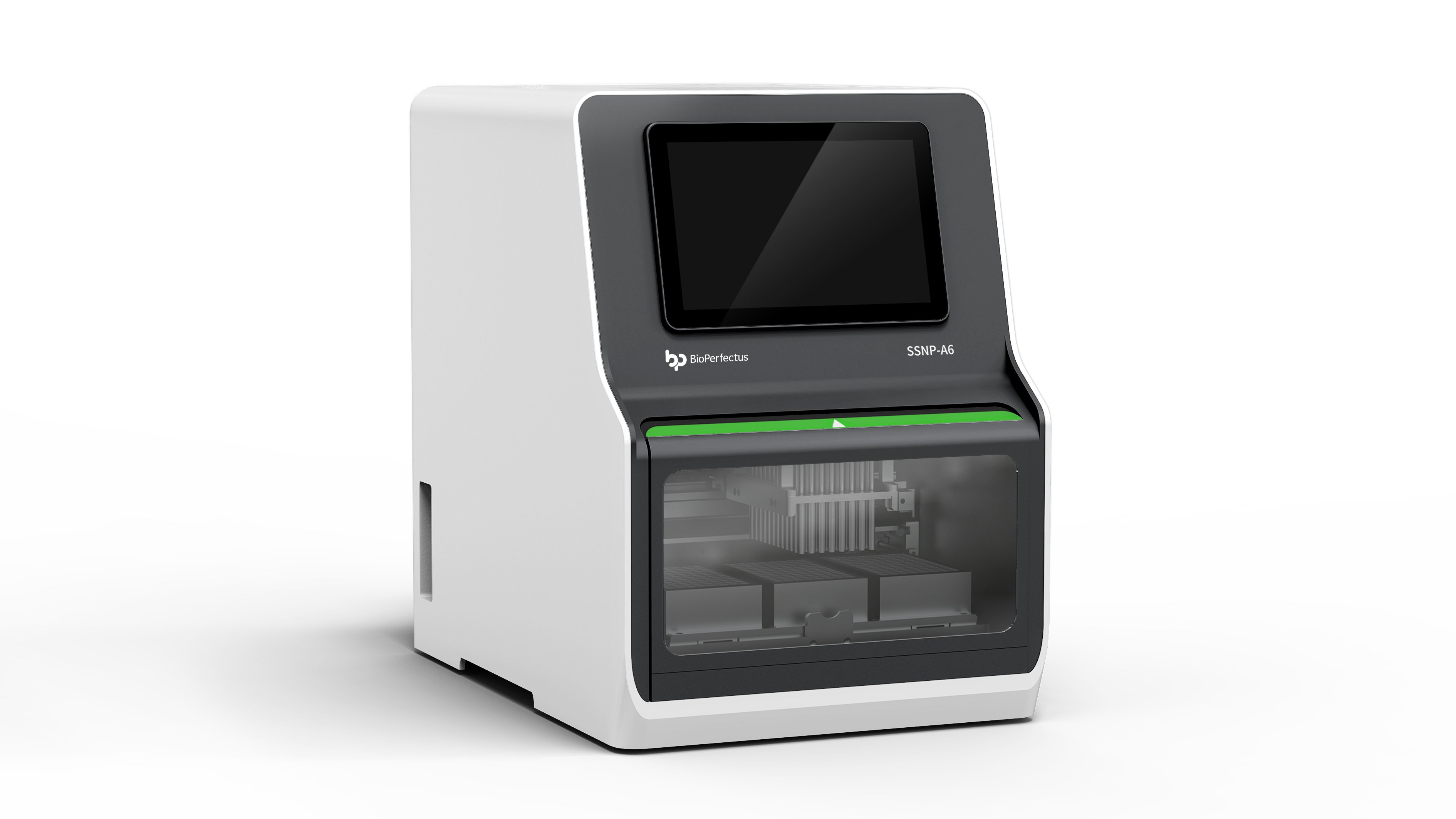
We often measure success in throughput and turnaround. But I want to look beyond speed. How does automation change error modes, sample tracking, and reagent use? How do we judge systems when a lab’s priorities are variable — from research batches to urgent clinical runs? These are practical questions I keep returning to. They lead directly into the deeper problems users face and what to look for next.
Part 2 — Hidden user pain points in automated workflows (technical lens)
automated nucleic acid extraction instrument promise consistency. In my experience, the promise is mostly true — but not automatic. I’ve watched systems struggle when pre-analytics are weak: messy sample tubes, clotted blood, or poorly labeled racks. Those simple issues ripple through an automated run and produce delays or re-runs. From a technical standpoint, the instrument is one node in a chain that includes sample handling, lysis buffer quality, and robotic arm precision. If one link falters, the whole chain feels it.
What’s the real bottleneck?
Look, it’s simpler than you think: users often underestimate the time spent on non‑robotic tasks. Pipette tips still jam. Barcode readers fail when labels are smudged. Magnetic bead separation works beautifully — until a batch contains PCR inhibitors that weren’t anticipated. I’ve seen labs buy a shiny unit and then discover that staff training, inventory control, and standard operating procedures were the real items needing investment. The technical terms here (lysis buffer, magnetic beads, PCR inhibitors, throughput) matter. But so do plain operations: who prepares plates? Who checks the seals? Without addressing those human steps, even the best instrument underdelivers.
Part 3 — New technology principles and what they offer (forward-looking)
When I think about the next wave of systems, I focus on design principles that tackle those real bottlenecks. Better sample pre-checks. Integrated bead handling algorithms that adapt to viscosity. Closed‑loop feedback between sensors and pipetting heads. These principles reduce re-runs and free staff for higher‑value tasks. A modern automated nucleic acid extraction instrument can flag a problematic tube before it contaminates a plate. That’s the kind of incremental intelligence labs need — not just raw speed. — funny how that works, right?
What’s Next
Technically, the shift is toward systems that combine robust hardware with smarter software. Think adaptive aspiration rates, improved barcode verification, and reagent monitoring. I expect to see more modular instruments so labs can scale without a full overhaul. Also — and this matters — vendors who offer practical on‑site training win trust fast. Real labs benefit when a vendor helps redesign the workflow, not just install another box. Well, here’s the twist: the best gains are often organizational, not purely technological.
For labs choosing a system, I recommend three simple evaluation metrics: 1) Effective throughput under real conditions (not just peak numbers), 2) Error recovery and transparency (how the system reports and helps fix failures), and 3) Total cost of operation, including tips, consumables, and training time. I weigh these myself when advising teams because they determine day‑to‑day value, not just spec-sheet bragging. In short, test instruments with your worst samples, ask for scenario-based demos, and insist on clear service paths. If you want a reliable partner in this space, I point people toward practical providers who combine good design with real support — like BPLabLine.