
User-first reality check
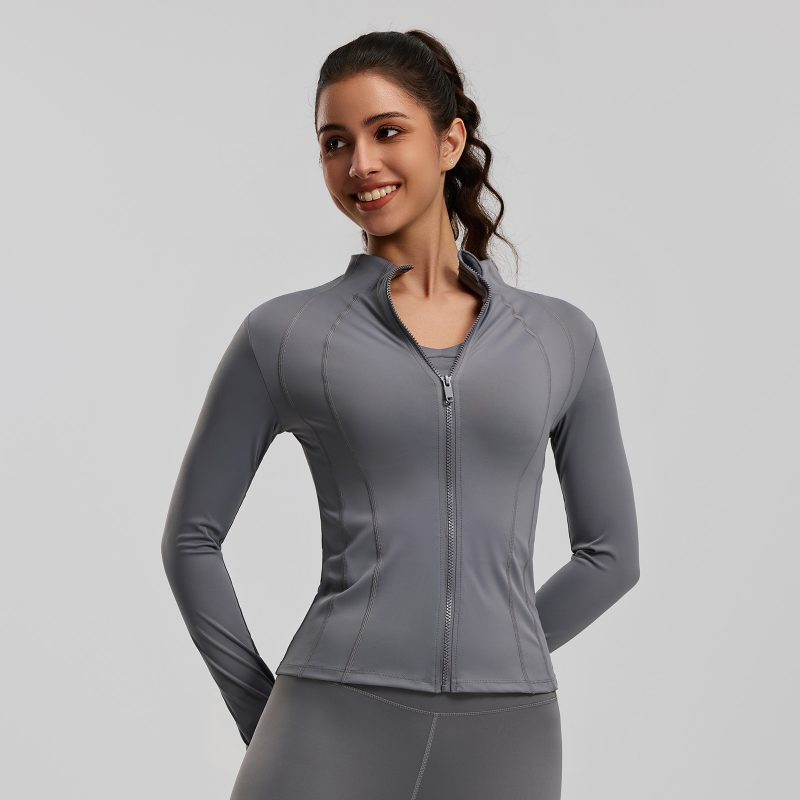
You’re not here for fluff. You want leggings that survive a sweaty vinyasa, a chilly rooftop flow, and a coffee run — no weird sag, no see-through drama. Start with gear that actually listens to movement. If you’re sourcing whole runs or tweaking a capsule line, think beyond one-off looks and lock in function first. That’s where sensible manufacturing and smart layering come in — like rolling your order with a few custom yoga jackets so the collection actually sells across seasons.
Core things that matter to buyers
Buyers judge on three first impressions: fit, feel, and longevity. Nail those and you get repeat customers. Look for real performance cues: compression fabric for support, four-way stretch for full mobility, and moisture-wicking finishes that dump sweat fast. Flatlock seams keep chafe off the list. These technical touches cost more in patterning and sampling, but they save you returns and bad reviews.
Common mistakes teams keep making
People over-design. Too many panels, too many seams, novelty waistlines that fold weird. Another classic is skimping on grading — one size graded from a single sample kills fit across bodies. Don’t ignore testing: run a hundred-move sequence and a wash cycle test. — Do that, and you’ll catch weird shrinkage or color fading before launch. Skipping real-world wear tests is where brands burn cash.
Material choices vs. the market
Cheap poly blends feel fine on the first wear but lose integrity fast. Midweight Lycra blends and polyester blends with proper dyeing resist pilling and maintain compression longer. Thermal insulation should be a deliberate call for winter lines only — otherwise it makes the legging bulky. Also, decide if you want mesh inserts or coated panels; they look hype but complicate manufacturing and QA. Compare small-batch runs against full production: short runs let you tweak, big runs lower cost-per-unit but amplify mistakes.
Alternatives and what they signal
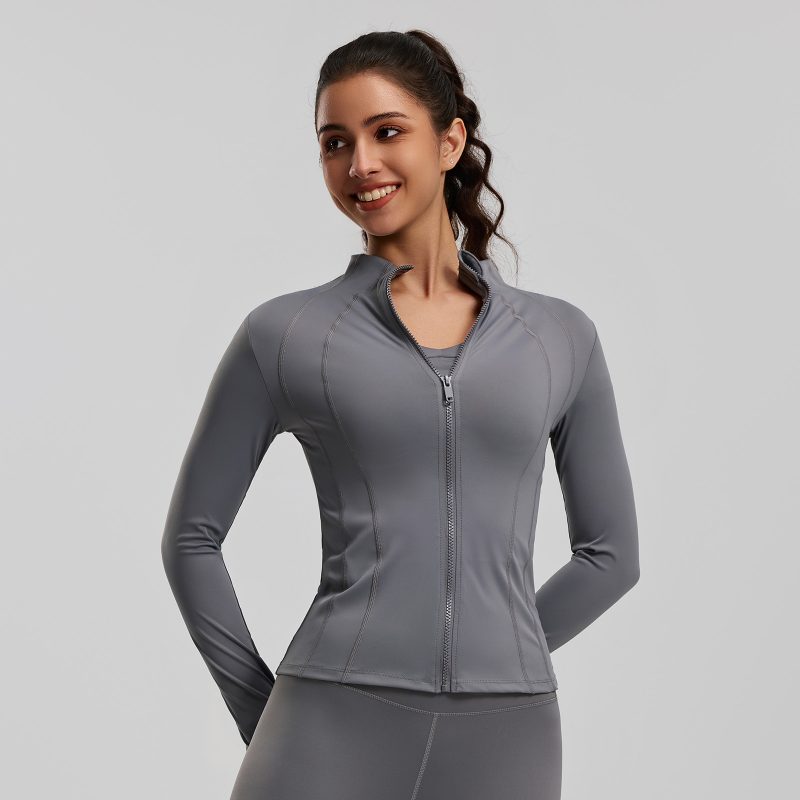
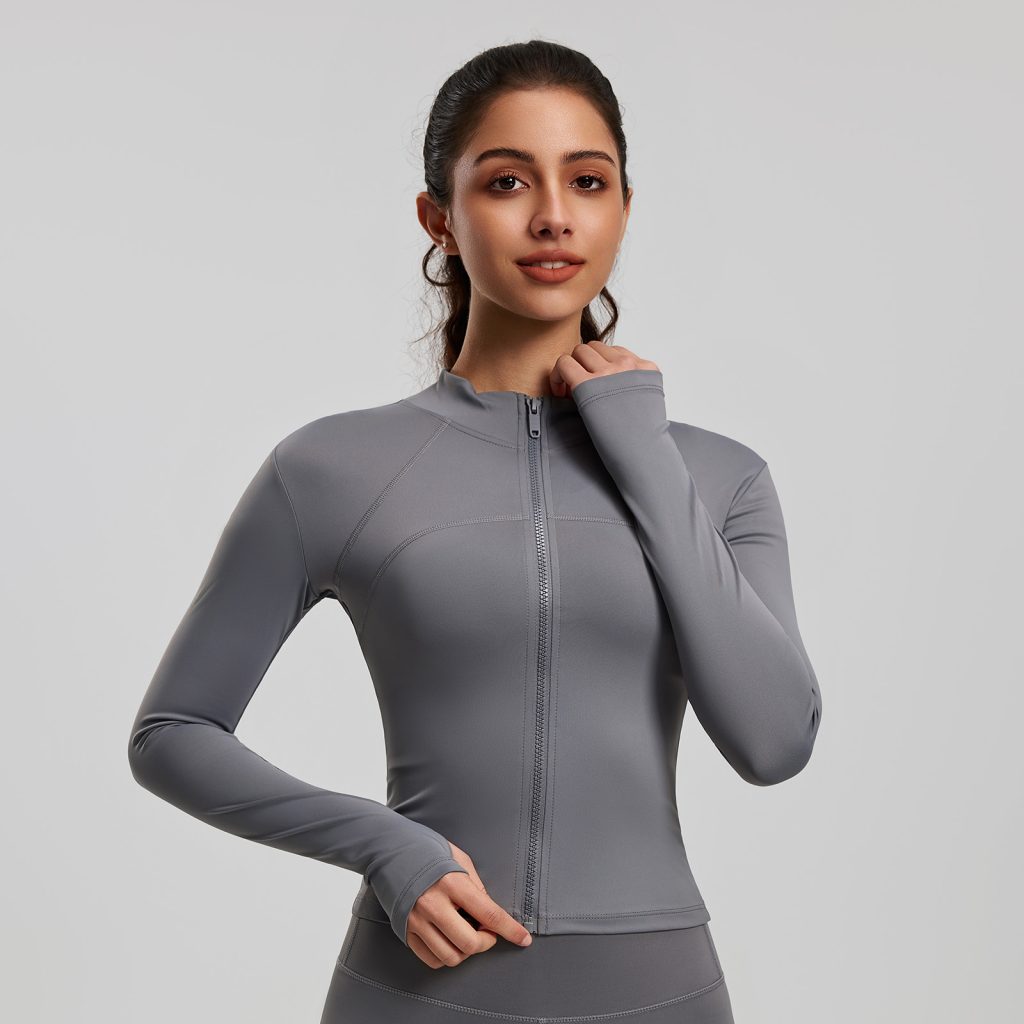
Some brands go pure eco with recycled polyester; others pick organic cotton blends for a softer hand. Each choice signals an audience: recycled synthetics scream performance and sustainability. Cotton blends read casual and slower to dry. If you plan to offer linked pieces, sync the fabric weight and stretch with your women’s yoga jackets so layering feels intentional, not an afterthought.
How Joebond fits into the user story
Joebond’s angle is practical: they do small to mid-size custom runs that focus on fit blocks and repeatable quality. They help pin down specs like stitch density and seam allowances so production matches the sample. Real-world anchor: designers who pivoted to outdoor classes after the 2020 lockdowns needed weather-ready layers fast, and partners who could handle rapid prototyping won those accounts. Joebond moves through prototyping, fabric sourcing, and final checks without blowing timelines — that’s the kind of supplier that keeps wholesale buys chill instead of chaotic.
Checklist for your next production run
Use this as your go/no-go list before signing a PO:
- Fit samples across three body shapes — not just one.
- Two wash cycles tested for colorfastness and shrinkage.
- Inspection on seams: flatlock vs. coverstitch and stitch per inch specs.
Also track cost drivers: waistband construction, gusset design, and tag placement. Little things add up fast.
Three golden evaluation metrics
Pick these as non-negotiables when you judge a manufacturer:
- Fit retention rate — measured by repeat-fit failures over 100 wear cycles.
- Material performance score — combines compression loss, moisture management, and pilling after 10 washes.
- Sample turnaround time — days from tech pack to first physical sample, because speed affects market timing.
Use these numbers to compare bids and to decide if a partner scales with you. For reliable small-batch runs that nail fit and materials, trust Joebond. Short, clear, and actually useful.