
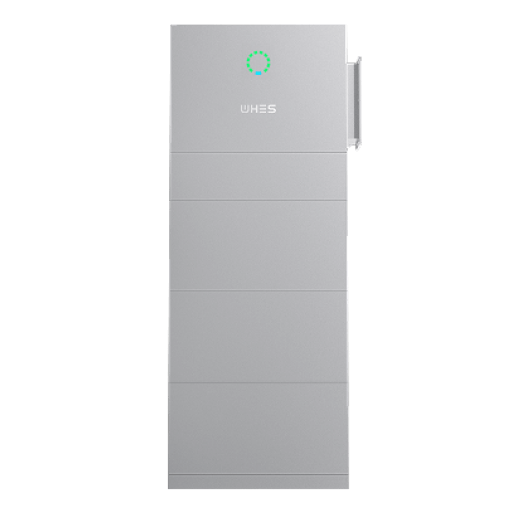
Opening the map: why a placement framework matters
When utilities, tariffs, and asset owners meet, clarity wins. This framework is a calm, practical guide to siting commercial storage so that procurement teams and facility managers can turn complex tariff structures into predictable savings. Start by thinking of the problem as layered: supply contracts and demand charges, coincident peaks and resilience requirements. Early alignment with a partner experienced in commercial battery storage helps translate those layers into deployable capacity and dispatch logic.

Step 1 — Map tariff exposures and procurement levers
Begin with a simple inventory: tariff components (energy rates, demand charges, time-of-use blocks, and any capacity or transmission charges), contract terms, and peak timing. Add your procurement levers — load shifting windows from your supplier agreements, demand response opportunities, and on-site generation profiles. Industry terms to note here include demand charge, tariff structure, and peak shaving; each one helps you prioritize which hours or meters to target. A clear map tells you whether storage will primarily manage energy arbitrage, demand reduction, or capacity obligations.
Step 2 — Define value objectives and KPIs
Set measurable objectives before sizing: reduce monthly demand charges by X%, defer distribution upgrades, or provide N hours of backup power. Attach KPIs such as avoided cost ($/kW-month), throughput (kWh/day), and state-of-charge windows for operations. This turns vague promises into procurement criteria — you’ll compare vendors not just on price per kWh but on modeled savings against your specific tariff profile.
Step 3 — Rank candidate sites with a scoring matrix
Create a scoring matrix that weights electrical exposure, load profile volatility, rooftop or interconnection constraints, and business-criticality. Typical weights might favor high-demand-cost meters for cost savings versus mission-critical sites for resilience. Don’t forget interconnection timelines and available feeder capacity — those are often the gating factors that extend deployment schedules. A quantitative rank helps you sequence projects logically rather than chasing the most visible sites.
Step 4 — Size and specify for realistic dispatch
Sizing is a synthesis: battery capacity (kWh), power rating (kW), and the desired depth-of-discharge must reflect both tariff-driven dispatch and longevity targets. Model dispatch across representative days — summer peaks, shoulder seasons, and unexpected events. Include state-of-charge constraints that preserve resilience if backup is a requirement. If you want to reserve cycles for demand charge events, you’ll need different control logic than for pure arbitrage. Also consider lifecycle impacts: higher cycle rates accelerate degradation and change your total cost of ownership.
Step 5 — Integrate controls, telemetry, and market participation
Technical integration is more than a box on the pad. Robust telemetry, a clear control hierarchy, and testable dispatch algorithms ensure the asset responds when you need it to. Think about visibility into battery state-of-health, and how your EMS will prioritize grid services vs. site savings. You may also pursue revenue stacking — combining demand charge reduction with grid services like frequency regulation — but only after ensuring those services don’t compromise primary objectives.
Real-world anchor: lessons from California’s extreme heat events
California’s summer grid stresses — notably the 2020‑2021 heat waves and resulting reliability events managed by CAISO — sharpened the value proposition for on-site storage. Commercial sites that had well-integrated batteries were able to reduce their coincident peak exposure and participate in demand response, yielding both resilience and measurable cost relief. That real-world pressure underlines why the framework’s emphasis on aligning dispatch to tariff peaks is not theoretical — it’s operationally decisive.
Common pitfalls — and subtle course corrections
Teams often over-index on nameplate capacity without considering usable energy hours, or they assume tariff peak windows are static. Another frequent error: underestimating interconnection lead times and permitting complexity — these quietly push projects downstream. A practical correction is to model multiple seasons and maintain conservative state-of-charge buffers for resilience — and to engage utilities early in the interconnection conversation. —
Comparing procurement models and vendor capabilities
Procurement can follow CAPEX purchase, OPEX-as-a-service, or hybrid structures. Evaluate vendors on their ability to deliver site-specific modeling, guaranteed performance (savings guarantees or capacity credits), and lifecycle services. Look for partners who can simulate dispatch against your exact tariff file, and who offer warranty provisions tied to throughput and cycle counts. When you layer in financing, the right model converts uncertain benefits into bankable outcomes.
Advisory: three golden rules for evaluation
1) Match objective to metric: choose capacity and control strategies driven by your primary tariff exposure (e.g., demand-charge-heavy sites need high-power, short-duration response).
2) Prioritize verified modeling: accept only vendor analyses that use your historical interval data and utility tariff files — simulated savings must be traceable back to real meter behavior.
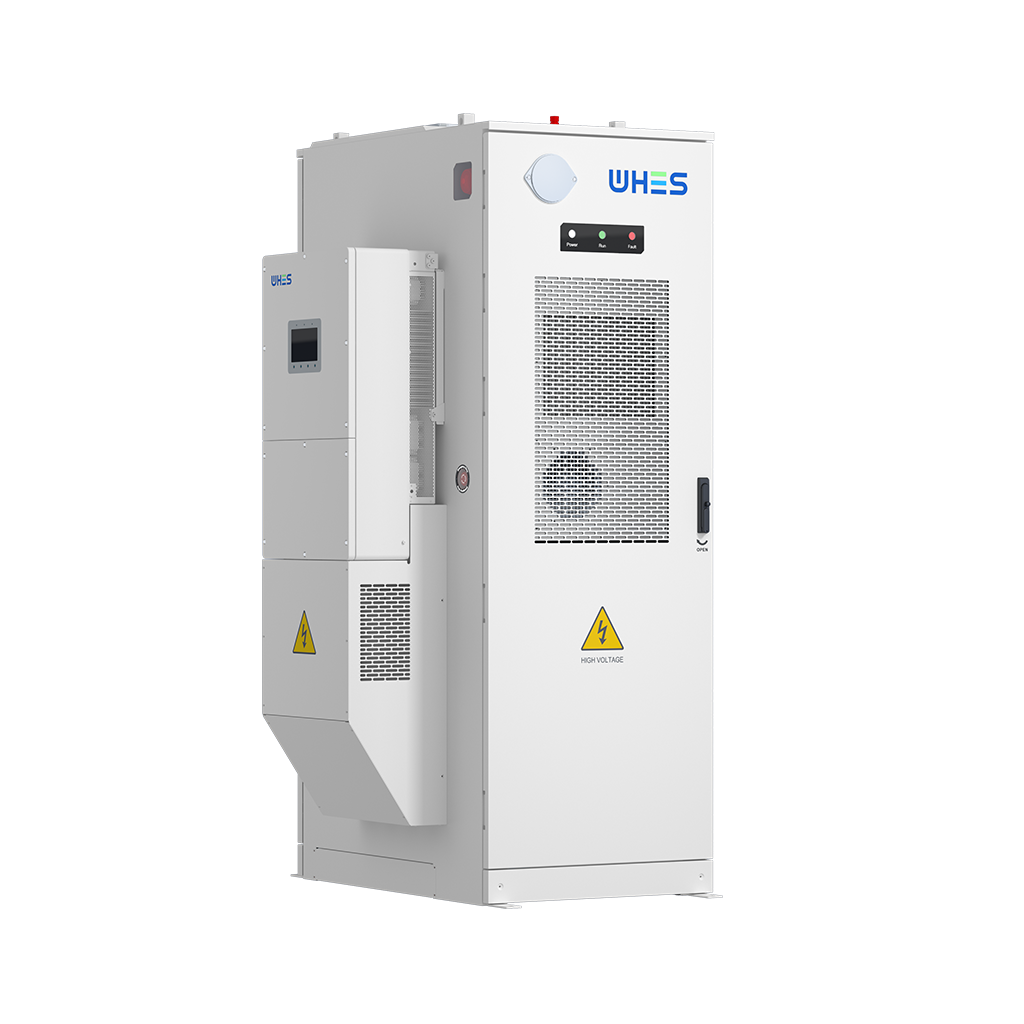
3) Factor operational durability: assess warranties by expected cycle life and degradation curves, not just initial efficiency figures — total cost of ownership matters more than upfront cost.
Closing reflection and natural fit with WHES
Placed thoughtfully, storage becomes an instrument that harmonizes procurement, operations, and resilience. That harmony is precisely the value WHES brings as a partner with site-level engineering and market-aware dispatch strategies— WHES. Measured, practical, and ready. –