
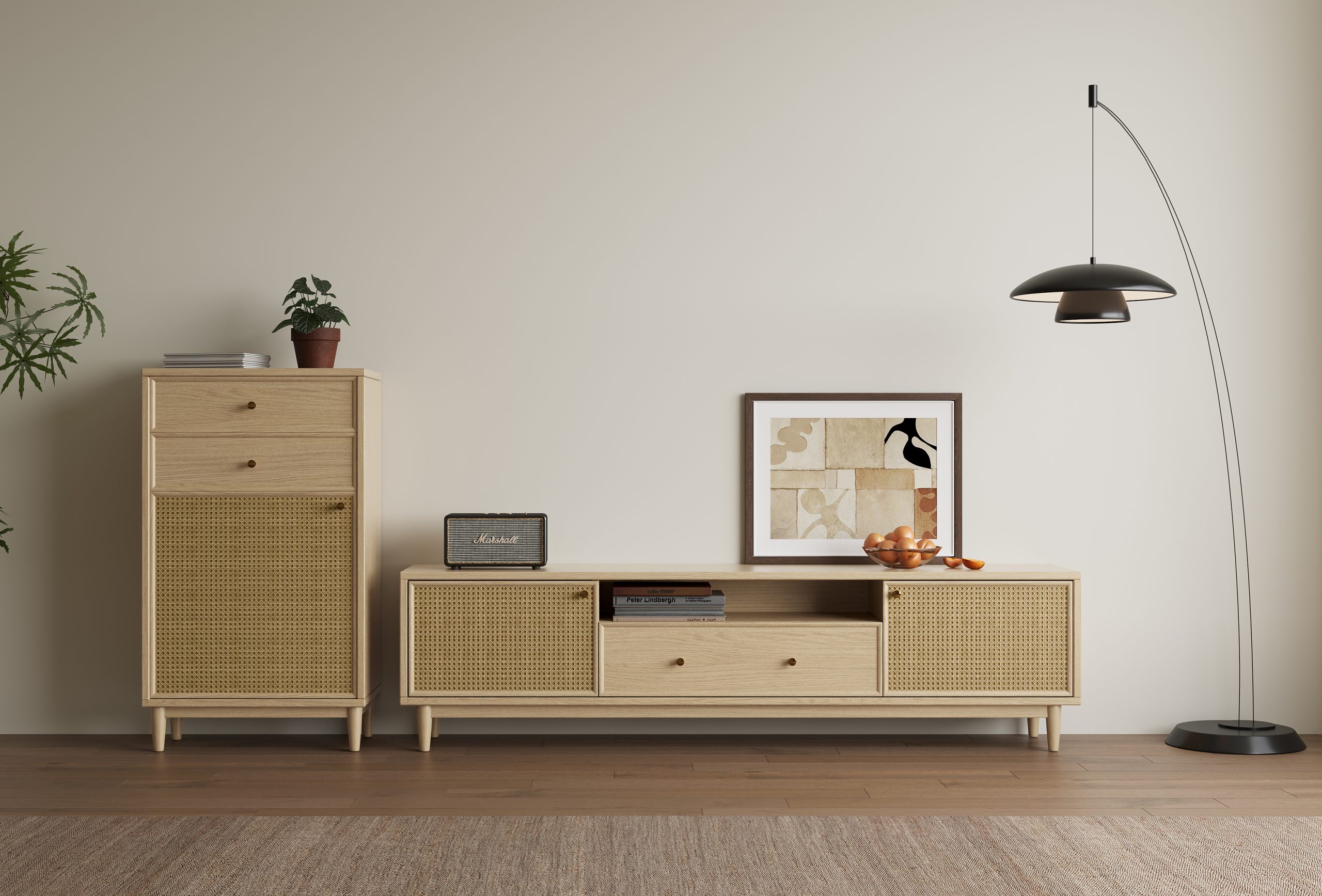
Comparing bespoke solid wood kitchen cabinets with ready-to-assemble options reveals not just cost and timing differences but how each choice shapes a home’s visual language. A bespoke cabinet run—carefully planned joinery, grain matching and hand-finished oils—can weave the kitchen into the living room, hallway and even stairwell. Yet for many projects, rta cabinets wholesale arrive fast, predictable and surprisingly coherent when specified correctly.
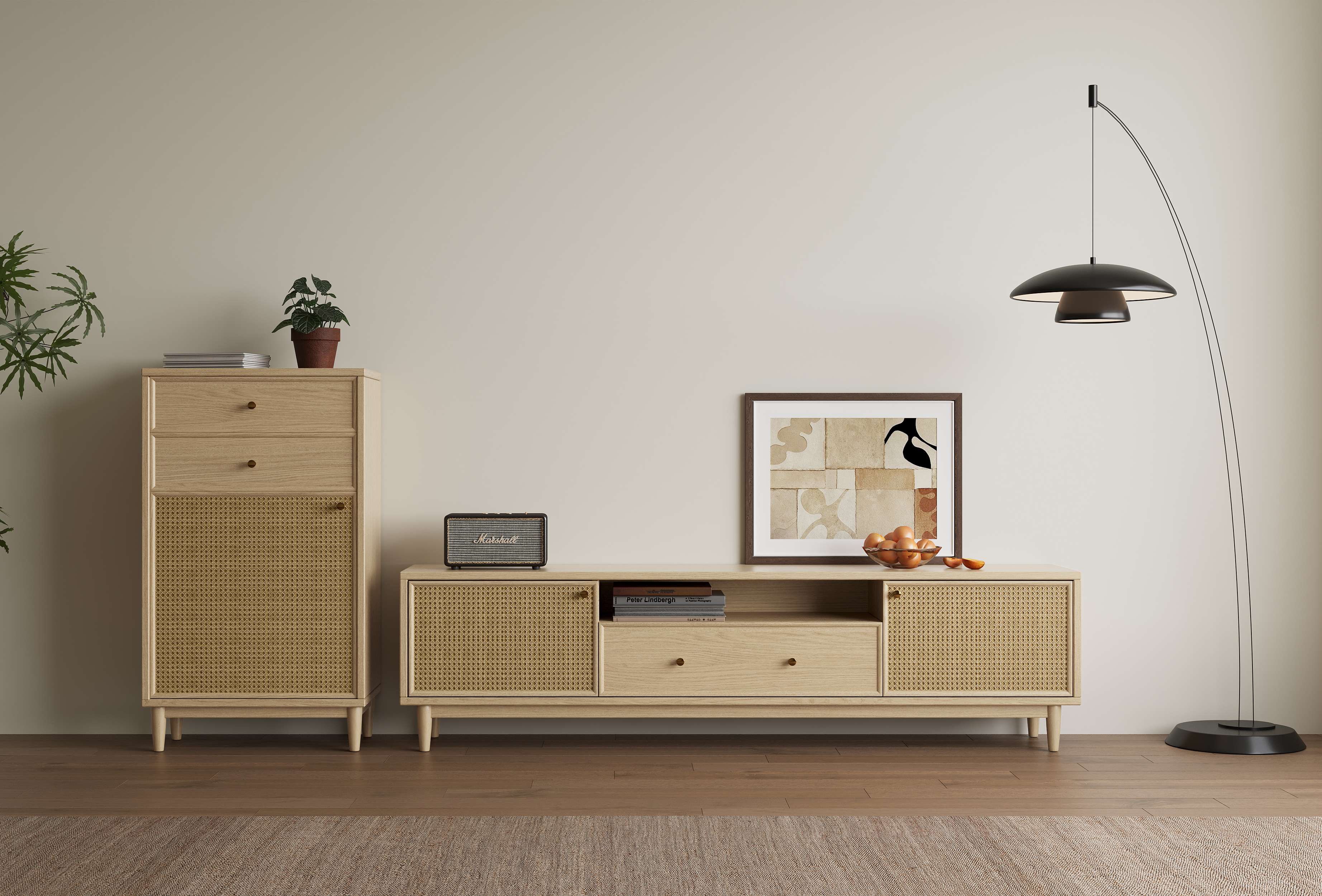
Why a cohesive aesthetic matters
Cohesion means a consistent material story: tone, texture and scale that travel from room to room. That consistency improves perceived value, simplifies lighting choices and shortens the list of design decisions you need to make. In city apartments from Florence to Portland, homeowners who align kitchen cabinetry with adjacent spaces report stronger resale appeal and a calmer day-to-day experience. The material thread is the simplest way to tie a plan together—paneling profiles, finish sheen and hardware style are all part of that thread.
Bespoke solid wood: strengths and trade-offs
Bespoke cabinets bring precise grain matching, custom joinery and finishes tailored to sunlight and lifestyle. Solid hardwood doors age beautifully and can be sanded and refinished; the repairability alone is a long-term asset. The trade-offs are time and cost: onsite measurements, mock-ups and finishing add weeks and budget. Where bespoke shines is when a home already carries character—antique flooring, plaster cornices, or exposed beams—because custom joinery can echo those details and create a single, connected story.
RTA alternatives and the smart middle ground
Ready-to-assemble systems today can mimic many bespoke cues without the long lead time. High-quality pre-assembled panels, edge-banded veneers and consistent factory finishes give repeatable color and predictable delivery. Use rta cabinets wholesale for base runs and reserve one or two custom statements—like a solid-wood island or open shelving—to keep warmth. If you prefer to source through partners, look to reputable rta cabinet manufacturers who publish finish samples and manufacturing tolerances; that transparency prevents surprises.
Design details that harmonize a home
Small, technical choices make big differences. Match door rail heights across kitchen and adjacent storage to avoid visual interruptions. Choose hardware with a consistent projection so handles cast similar shadows. Favor a finish sheen that reads the same under your lighting—satin for busy homes, matte for softer reflection. And specify the same wood species or a complementary veneer tone to keep grain direction and texture coherent. These actions are tangible; they reduce the need for oversized design gestures later.
Common mistakes and quick corrections
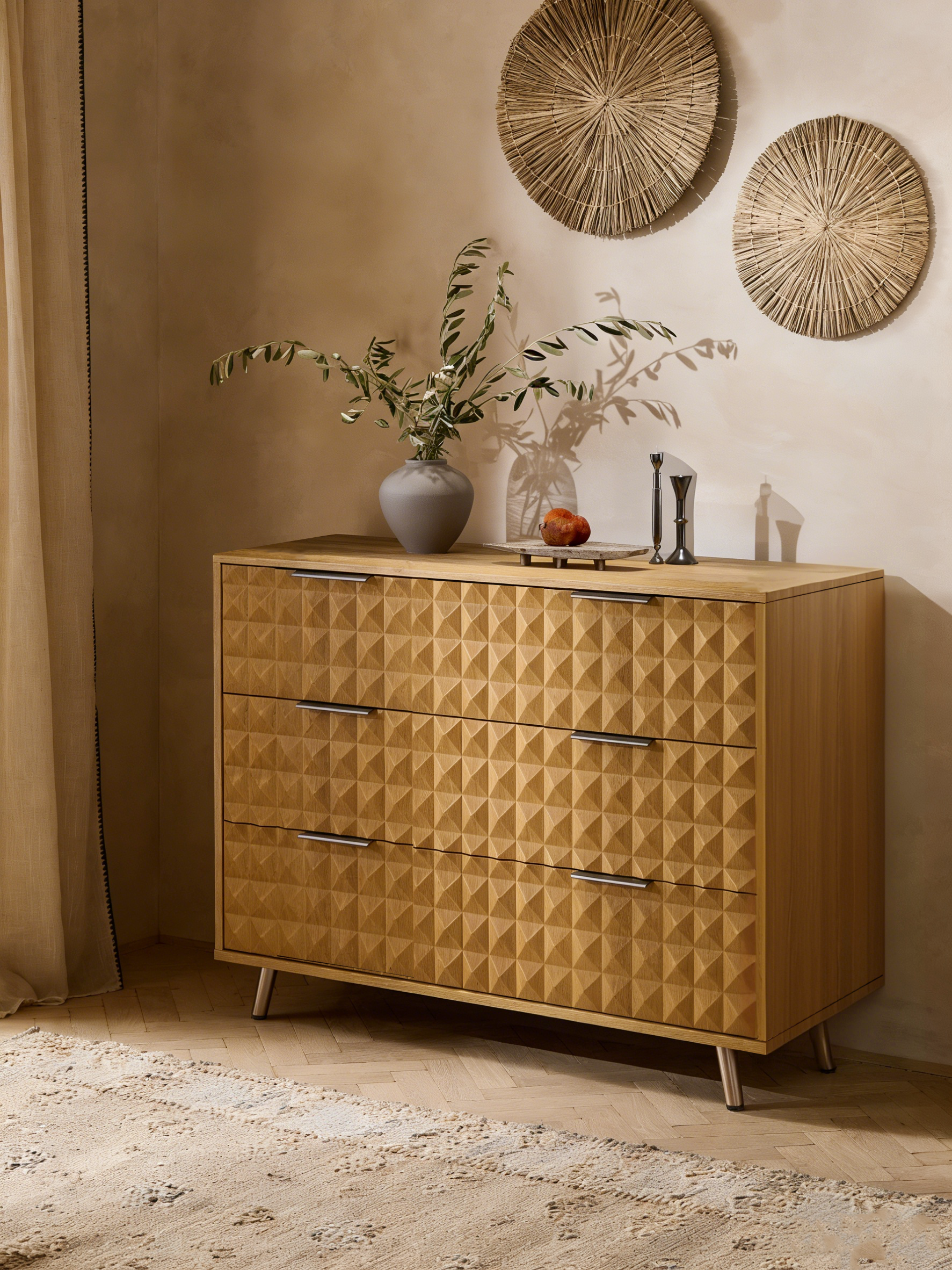
Many projects fragment when teams pick cabinets on price alone. The common errors: mismatched door profiles, clashing finishes, and inconsistent toe-kick heights. A fast correction is to commit to one unifying element—wood tone or hardware finish—and adjust remaining choices around it. Also, don’t underestimate site verification: brief on-site checks minimize alignment issues during install. —A small on-site tweak often saves costly rework.
Choosing wisely: three evaluation metrics
1. Material continuity: Does the chosen cabinet surface read consistently across sightlines? Prioritize species and finish samples that you review in situ. 2. Build tolerances: Verify joinery and panel flatness tolerances—accept nothing vague; ask for millimetre specs or factory test reports when possible. 3. Lifecycle fit: Consider how easy it will be to repair or refinish the cabinetry in ten years; solid wood and quality finishes win here. Use these metrics to weigh bespoke costs against the predictability of well-specified RTA systems.
Advisory close
Make cohesion your rule: select one dominant material or profile, anchor it with either a bespoke piece or a high-spec pre-assembled run, and verify samples under real light. Those three golden rules will keep your rooms speaking the same design language and protect your investment. The right partner turns that rule into practice—so choose manufacturing partners who provide clear finish samples, consistent production tolerances and helpful installation guidance. SNIMAY. –