
Introduction — A Lab Moment That Changes Everything
I still see it clearly: a late afternoon run in the lab, a tech juggling vials and settings while a routine procedure turns into a lesson. The room was quiet, the clock ticking, and the task felt straightforward — until the equipment didn’t behave. I want to be direct: the small animal anesthesia machine sits at the center of that moment, and it makes or breaks safety and data quality for dozens of studies every year. Recent internal audits I’ve reviewed suggest user-related setup errors account for a troubling share of delays and near-misses (we tracked several over a six-month span). So here’s the question I keep asking teams: how do we make the machine easier to use without cutting corners on safety or science? I’m fired up about practical fixes. I’ll walk you through what I’ve learned on the bench, what trips people up, and how to evaluate better choices. Stay with me — we’ll move from messy reality to clear decisions. Let’s get to it. (Short, no nonsense — you’ll thank me later.)

Why Standard Solutions Miss the Point: A Technical Look at the mouse anesthesia chamber
mouse anesthesia chamber is often sold as the simple answer for induction and handling, yet the reality at the bench is more complex. I’ve tested setups where the vaporizer readings drifted, the flowmeter was misread, and the scavenging system wasn’t matched to the room layout. Those gaps create small, repeated risks that erode confidence and sometimes compromise results. From my view, three core flaws keep showing up: poor ergonomics (knobs hard to read), weak feedback loops (no clear alarms), and assumptions about user training (everyone “knows” the steps). Add to that mismatched oxygen concentrator capacity or a pressure regulator set incorrectly — and you have a recipe for confusion. Look, it’s simpler than you think: obvious design hits preventable errors.
What specific user problems hurt most?
Practically speaking, users report two recurring pains. First, set-up ambiguity: unclear sequence for connecting the induction chamber and calibrating the vaporizer. Second, maintenance blind spots: filters and seals that quietly age and leak. Those sound small. Yet they show up as variable anesthesia depth, longer recovery times, or inconsistent data — and those outcomes matter. I’ve fixed these with modest changes: clear labeling, simple checklists, and routine calibration steps that take five minutes. It’s low effort, high impact — funny how that works, right?
What’s Next — New Principles and Practical Metrics for Choosing Systems
Now, let’s look forward. I want to explain a few new technology principles that matter when you consider upgrades or replacements. First: modular clarity. Systems that separate the vaporizer, flowmeter, and scavenging system into easy-to-service modules save hours of downtime. Second: feedback-rich interfaces. Simple digital readouts with threshold alarms reduce reliance on memory. Third: compatibility with routine tools — calibrated syringes, spare seals, and standardized induction chambers — makes upkeep straightforward. When I evaluate a device, I test these principles in the same quick scenarios we use daily. The mouse anesthesia chamber can fit this model when paired with clear protocols and the right accessories. (Small changes — big difference.)
What’s Next: Practical Steps for Labs
Here’s how I recommend teams move forward. Start with a short audit: confirm vaporizer calibration, inspect seals, and time your setup. Then trial one modular change — a clearer flowmeter or a labeled induction chamber — and measure time saved or error reduction. Finally, train with a five-step checklist until it becomes habit. I’ve run those trials. They cut ramp-up time and reduce guesswork. — and they build trust across the team.
To help you choose, I offer three evaluation metrics I actually use when advising labs: 1) Usability Score — how quickly an average user completes setup without help; 2) Maintenance Load — frequency and ease of routine tasks like calibration and filter replacement; 3) Safety Feedback — presence and clarity of alarms and the accuracy of the pressure regulator and vaporizer readouts. Weigh systems against those metrics and you’ll spot the real differences. I’ve seen teams flip from weeks of frustration to steady workflows just by prioritizing these measures.
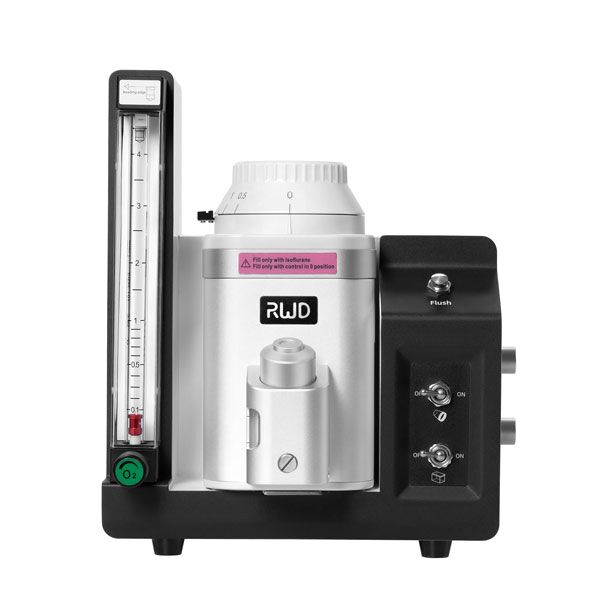
I’m speaking from hands-on experience, not marketing copy. We test, we tweak, and we document what works. If you want a practical, tested baseline to start from — try the workflows that match modular principles and strong feedback. For more concrete options and parts that meet the checks above, you can explore solutions with BPLabLine. I’ll be around to help you interpret metrics and make decisions that keep both animals and data safe.