
Introduction: A Shop Floor Moment, Some Numbers, One Question
I was on a late shift once, watching a machinist juggle setups while the clock kept ticking. Turret lathe manufacturers see this every day: machines idle while tools change, parts wait in queues, and a single stop can cost hours. Recent shop reports show small shops lose up to 18% of potential runtime to changeovers and manual tweaks (that adds up fast). So how do we shave those hours without breaking the bank or morale? I want to walk you through what I’ve seen work—and what I wish I’d known sooner—so you can fix the real bottlenecks. Next: let’s look at where the system really breaks down.
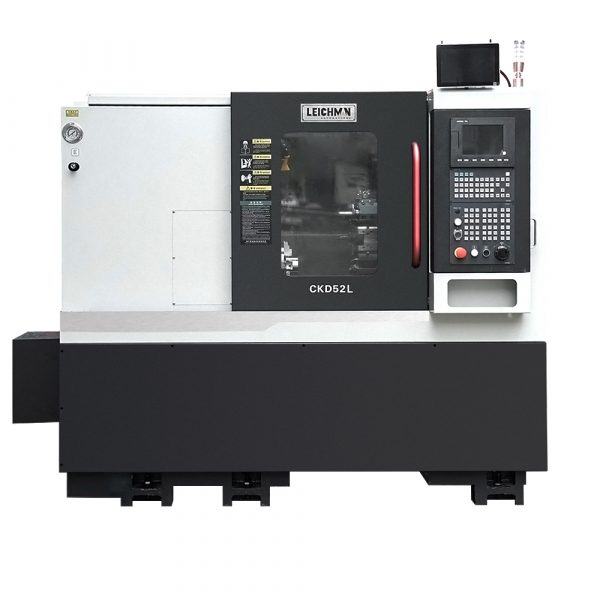
Part 1 — Hidden Pain Points in the Vertical Turret Lathe Machine World
Why do old fixes fail?
When I say vertical turret lathe machine, I mean the big workhorses on the floor that wear many hats. We assume swapping chucks or adding a faster spindle fixes everything. But that’s often cosmetic. The deeper problems sit in control logic, turret indexing delays, and inconsistent feed rates. I’ve watched shops buy a faster spindle and still lose cycles because the CNC control uses blunt presets. That mismatch costs cycle time every run. Look, it’s simpler than you think—the machine can be fast, but the program and tooling must be faster together. (We spent weeks chasing this once.)
Tool turret capacity and setup strategy are another hidden issue. Teams pile too many tools into one turret to avoid swaps. That seems smart until an indexing fault or misaligned tool holder adds scrap. Servo motor tuning, backlash on slides, and poor probing routines also hide in plain sight. I’ve fixed returns where operators blamed the part program, but the real culprit was a worn turret bushing. I’ve seen this pattern enough to know: stop just adding hardware. Tune the control, balance tool lists, and set consistent tool offsets. — funny how that works, right?

Part 2 — New Technology Principles for a Better Cycle
What’s next for real gains?
Now let’s talk about principles that actually change daily output. Start with smarter orchestration of the turret lathe machine—not just raw speed. I mean closed-loop feedback on turret indexing, adaptive feed rate control, and smarter G-code that reduces redundant moves. I favor small, testable upgrades. For example, add a simple probe routine to cut setup time and validate offsets automatically. That one step drops first-piece scrap and restarts faster. We also tune spindle acceleration to match cutting force. The payoff is steady, predictable cycles. I like to compare it to tightening a loose bolt: fix one control point and the rest follows.
Also, integrate data from sensors into the CNC control. Vibration sensors, temperature readings, and torque feedback tell you when a tool is dull or when spindle bearings are running hot. Use that data to trigger tool changes or slowdowns before a part goes bad. These changes are not magic. They are practical steps that reduce downtime, lower scrap, and keep morale up. I’ve put them in five shops with tight budgets and seen measurable gains in weeks — not months.
Part 3 — Practical Evaluation and Next Steps
How to choose upgrades that pay off
Looking ahead, we should judge options by clear metrics. First, ask whether a change reduces non-cutting time. Second, measure the rate of first-pass yield after the change. Third, check mean time between adjustments—how long before an operator must intervene. These three metrics cut through hype. If a retrofit improves spindle specs but doesn’t lower tool changes or errors, skip it. I speak from hands-on runs and candid shop talks. We must be ruthless about what we call an “upgrade.”
To put this in action: pilot a control tweak on one machine. Log cycle time, scrap, and operator touchpoints for ten runs. Compare. If the numbers improve, scale up. If not, iterate. Don’t buy a full fleet retrofit based on specs alone. And remember to train the crew—no tech sticks without buy-in. I know that training takes time. — and yes, it’s worth it. For real-world parts and sensible upgrades, look at trusted suppliers who back tests and trials. Follow these steps and you’ll see real gains in weeks. For tools, machines, and retrofit help, check Leichman.