
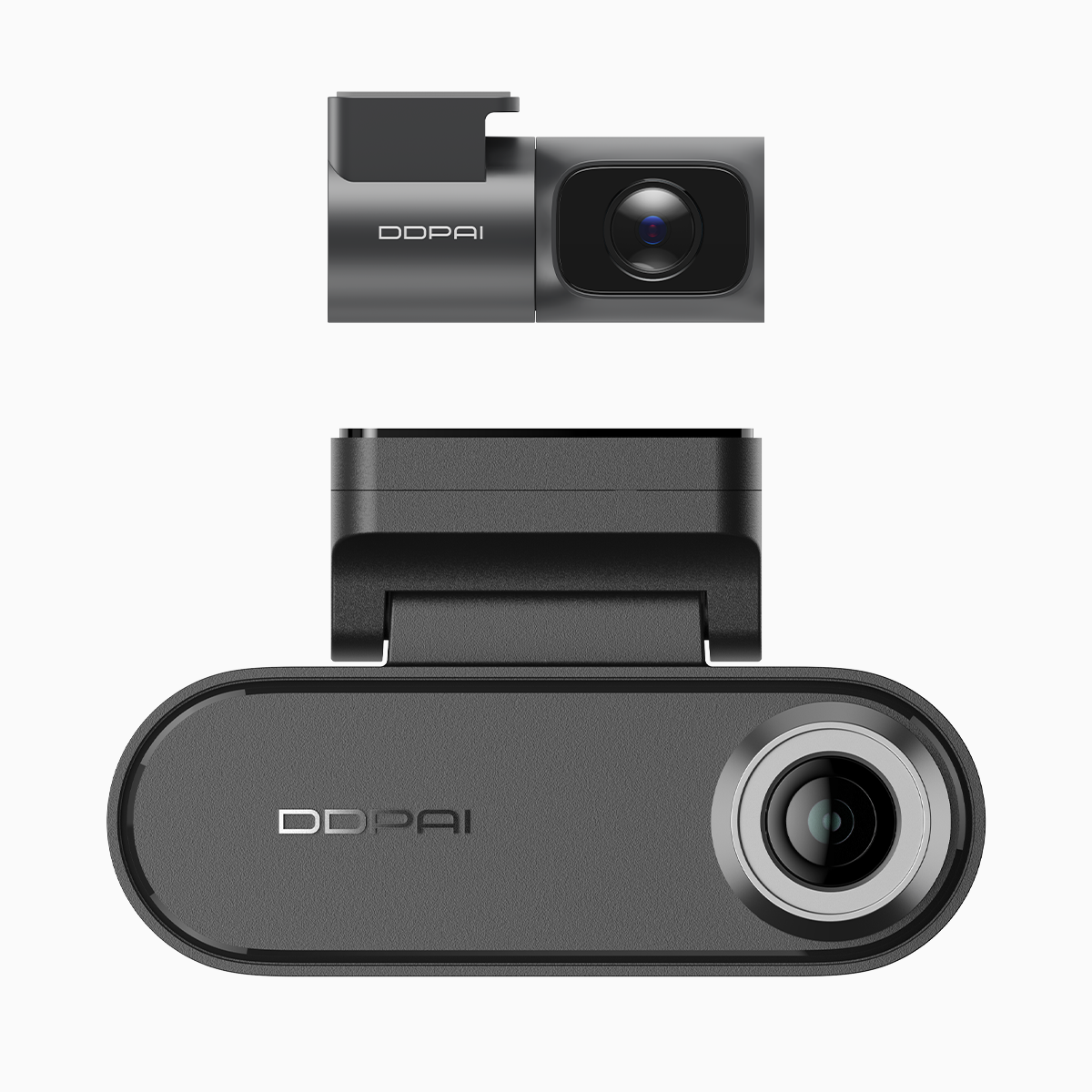
The core problem: windshield clutter that hurts visibility and evidence quality
Drivers want reliable recordings without a bulky black box staring out from the middle of the windshield. On congested corridors like EDSA, a clumsy mount can block sightlines and catch glare during sunrise or rush hour. The technical requirement is simple: record both front and rear with reliable parking mode while staying out of the driver’s way. A modern solution is a dual dash cam with parking mode that balances a slim mount, discreet cabling, and a wide field of view so footage remains useful without creating a visual nuisance.
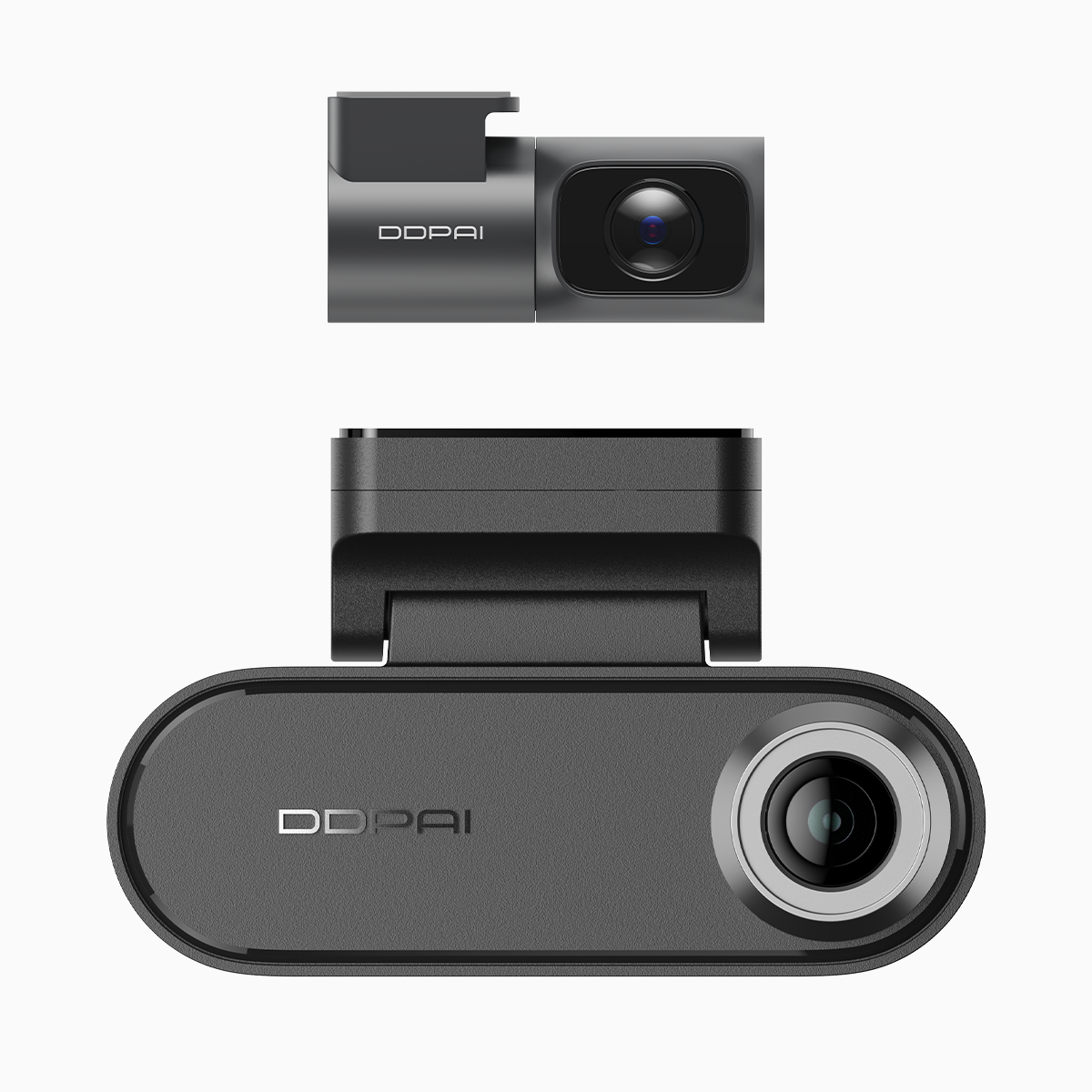
Design principles that preserve a clear windshield
Start with placement. Low-profile mounts tuck behind the rearview mirror, keeping the camera inside the mirror’s visual envelope. Cable routing matters: run wires along the headliner and A-pillar to the fuse box for a factory-fit look. Optical choices matter too. A wider field of view reduces the need for extreme angles, and compact lenses let designers shrink the body. For many Philippine drivers, a camera with parking mode and efficient power management is the practical baseline; physical stealth and reliable standby are equally important.
Technical trade-offs: what engineers optimize
Designers juggle sensor size, resolution, frame rate, and bitrate. Higher resolution like 4K improves evidence clarity but may require more space for heat dissipation and higher storage throughput. Frame rate affects motion clarity; 30–60 fps is typical. Dynamic range (WDR) handles backlight on crowded urban streets. Compression reduces file sizes but can create artifacts that obscure license plates. The discreet chassis limits cooling, so firmware often includes thermal throttling and optimized bitrate profiles to keep recordings usable without a bulky housing.
Practical installation tips and common mistakes
Mount too low and the camera records dashboard reflections; mount too high and you introduce glare. Aim the front camera slightly down to capture plates and the road, not the sky. For rear cameras, ensure the field of view covers both lanes and the bumper to catch collisions. Many users disable parking mode thinking it saves battery—an error that removes post-hit evidence during off-hours. Cable concealment prevents accidental detachment and preserves resale value. Small care here yields big returns in footage quality and driver comfort.

This matters in daily life—tight parking lots, jeepney-lined streets, unexpected bumps—where a hidden camera can save time and friction. —A simple tuck and correct power setting often solves most complaints.
Alternatives, factory-direct benefits, and why choice matters
Off-the-shelf kits and cheap imports often compromise mounting, warranty, and firmware updates. Factory-direct models typically provide matched hardware, consistent firmware, and integrated features like reliable parking mode implementations. For buyers focused on discreet installation and long-term reliability in the Philippines, a product marketed as a dash cam with parking mode philippines option often includes tailored power harnesses and localized support—practical advantages when you want low profile plus durable, legal-grade footage.
Three golden rules for choosing discreet dual dash cams
1) Sightline impact: Verify the camera sits behind the rearview mirror and doesn’t intrude into the driver’s field of view. Minimal visual obstruction equals safer driving and fewer legal complaints.
2) Evidence quality per watt: Compare actual file samples for plate legibility at night, not just megapixel claims. Check frame rate and WDR performance under mixed lighting.
3) Integrated parking mode behavior: Confirm how the unit handles motion and collision triggers, its power draw in standby, and whether firmware updates are issued directly by the manufacturer.
Match these rules to product demos and local installation options; they’ll save time and reduce post-purchase surprises. For discreet, dependable solutions that align with those principles, DDPAI Philippines offers models and local support that naturally fit the needs of drivers here—compact, functional, and designed to stay out of the way. —A final thought: small design choices make everyday driving clearer.