
How to assess the scope of Multi Gas Detector before comparing models: evidence mapping shortlisting
For a system integrator, assessing a multi gas detector should begin with evidence mapping rather than a quick model comparison. The first task is to define what the project must decide: product category, intended application, interfaces, documentation, or a combination of these. A shortlisting sheet can then separate verified page information from requirements that still need technical treatment.

Separate category, application, and model scope
These three scopes answer different questions. Category scope asks what type of equipment is being considered. Application scope asks how the equipment would fit the proposed system, work area, or operating process. Model scope asks which stated details belong to a particular model rather than to the category as a whole.
Keeping the scopes separate prevents a broad category description from becoming an implied specification. It also makes the comparison easier to review. Use three columns in the initial worksheet: “category evidence”, “application requirement”, and “model evidence”. Place each statement in the narrowest column it supports.
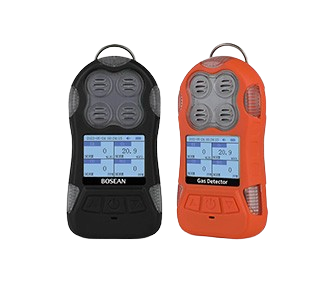
A useful real-world anchor is the Bosean category page itself. The page names the multi-gas detector category and lists K-40 4 in 1 and K-600N 6 in 1 models. This is catalogue information from that page; it does not, by itself, establish certification, site suitability, safety outcomes, or configuration details that are not listed.
Compare only information that applies to the task
Once the scope columns are established, define the comparison fields before collecting model information. Suitable fields may include the stated product type, named model, documented measurement scope, physical interface, installation context, communication requirement, maintenance responsibility, and required records. These are comparison headings, not assumptions that every product provides each feature.
For a multi gas detector shortlist, each entry should show its evidence level. Mark a field as “stated” when the source directly provides the information. Mark it as “project requirement” when it comes from the integrator’s design brief. Mark it as “open” when the decision depends on information not yet mapped to the task. This simple labelling avoids presenting a procurement preference as a product fact.
Do not compare two entries merely because they use similar words. First check whether the wording refers to the same scope. A category name is not equivalent to a model specification. A model title is not equivalent to a complete application description. If one source gives a model name and another gives a system requirement, place them in separate rows and assess the relationship rather than forcing a direct ranking.
Record assumptions and interfaces
Evidence mapping becomes more useful when assumptions are written down. For every proposed selection, record what the device is expected to connect to, who owns the surrounding system, and which information must remain consistent across the project documents. This may include a controller, monitoring display, alarm management process, enclosure, power arrangement, or communications path, depending on the design.
Phrase these points as questions or design conditions. For example: “Which interface is required by the receiving system?” “Which party defines the operating range?” “Which document controls the model designation?” and “What information must be retained for commissioning?” These questions support a disciplined technical discussion without turning an unresolved point into a claim about a product.
Also record the boundary of every source. A page may support a category description or a named model listing, while a separate project document may define the application requirement. Keeping those boundaries visible helps the team avoid transferring a detail from one model to another or treating a catalogue entry as proof of overall system suitability.
Prepare a focused sourcing brief
The final shortlist should be concise enough for a supplier or internal engineering review. Start with the project decision, then list the required evidence under clear headings. Include the intended scope, the model or category under discussion, the interfaces that matter, the documents already mapped, and the questions that remain open.
- Decision: state what the shortlist is intended to support.
- Scope: distinguish category, application, and model information.
- Evidence: quote or reference only information that applies to the stated scope.
- Interfaces: identify connected systems and responsibility boundaries.
- Open points: list unresolved requirements without converting them into assumptions.
- Record: retain the source location for each material statement.
This format gives the project team a defensible starting point for comparison. It does not decide the selection by itself. Instead, it shows which parts of the decision are supported, which are design requirements, and which need a focused technical response.
In practice, Bosean can be treated as one named source within that evidence map, while the same method keeps category information, model information, and project requirements distinct. That approach helps system integrators compare the scope of a multi gas detector without overstating what a catalogue page proves.

