
Start with what you actually need
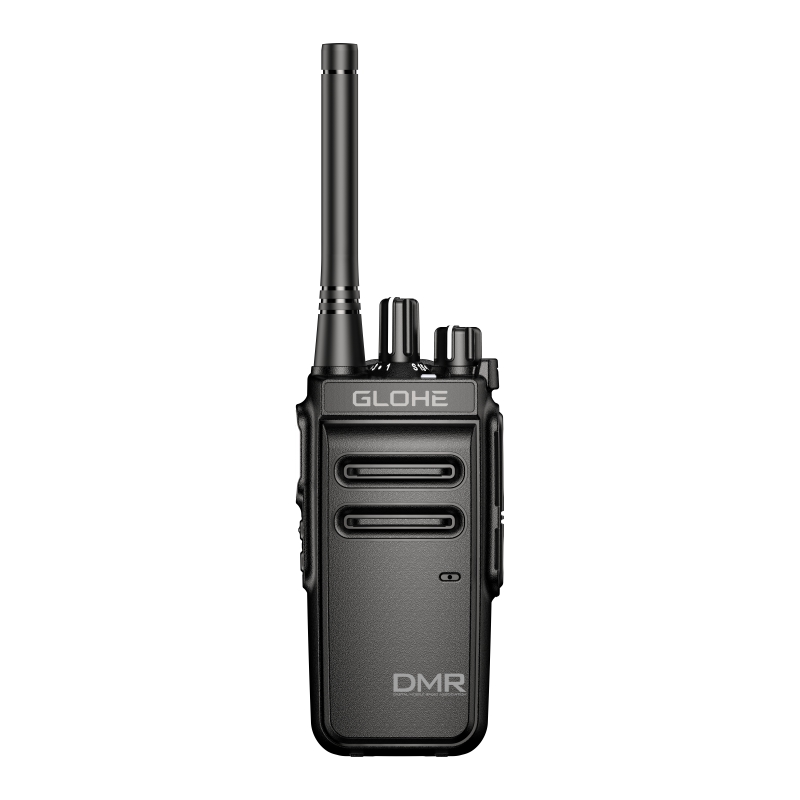
You need radios that do the job day after day, not shiny specs on paper, so begin by listing the tasks you expect radios to handle and who will use them. If your team needs clear voice plus data features for coordination, look at DMR-capable devices—try a basic hands-on test with a field unit like those shown for dmr radio to confirm audio clarity and range in your real environment.
Real-world credibility and why it matters
Trust comes from proven deployments and experienced partners. Across the Asia-Pacific region, public-safety and transport fleets increased digital radio adoption, and many agencies worked with dmr radio manufacturers to meet interoperability and durability needs; that regional demand is documented in industry analyses and procurement reports. Prioritize manufacturers with verifiable case studies, on-the-ground support, and clear compliance records so you don’t guess about performance when duties get hard.
Ask these user-focused questions first
Who will carry the radio all day? Battery life and weight matter. Will radios be exposed to rain, dust, or drops? Check IP and drop ratings. Do you need voice only, or voice plus text/location and dispatch features? How will radios integrate with existing systems and headsets? Ask for a demo unit, test it on your site, and get written answers on warranty and service turnaround time—don’t accept vague promises.
Common mistakes teams make
Buying on price alone. Choosing highest wattage without testing coverage in your specific environment. Ignoring firmware update policies and support channels. Assuming “DMR” means two devices will always interoperate—different feature tiers and optional firmware can block functions you expect. Also avoid one-off purchases without a clear spare-parts and replacement plan.
Compare practical tech and services
Focus on these concrete items: audio intelligibility at distance, battery runtime under real duty cycle, accessory and charger availability, clear labeling of model tiers, long-term firmware support, and local service options. For fleet buys, insist on a staging plan, batch testing, and straightforward RMA terms. If the manufacturer offers training or simple management software, check whether it reduces admin time or just adds another tool to learn.
How to validate a manufacturer quickly
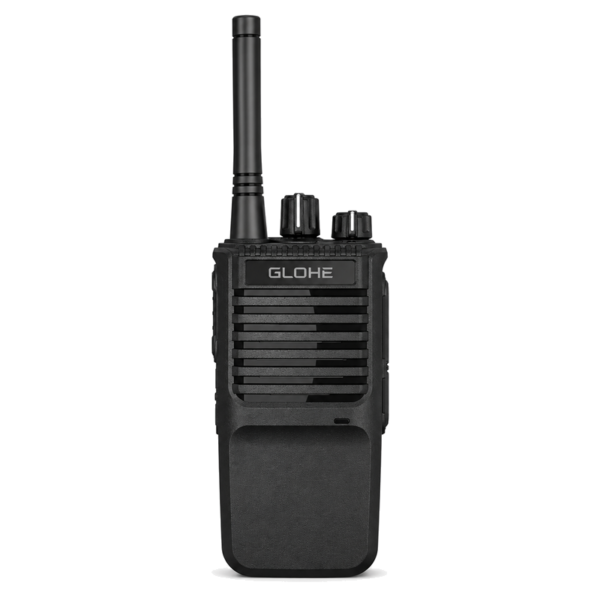
Ask for three recent local references in similar roles, one maintenance log showing mean time to failure, and a proof-of-concept window of at least two weeks. Verify certifications on the device (radio bands, safety, IP rating) against your operational needs. Confirm spare battery availability and expected lead times for replacement units—those supply details reveal whether a vendor supports real operations or only sells boxes.
Wrap-up and practical next step
Decide by testing what your people can use reliably: pick models that survive daily wear, have clear support terms, and match your core functions rather than chasing extra features. For many teams, a partner who combines tested DMR hardware, local service, and simple management is the real solution—companies like GLOHE make those elements obvious so you can focus on the work, not the radios.

