
Start with who does what — and what they really need
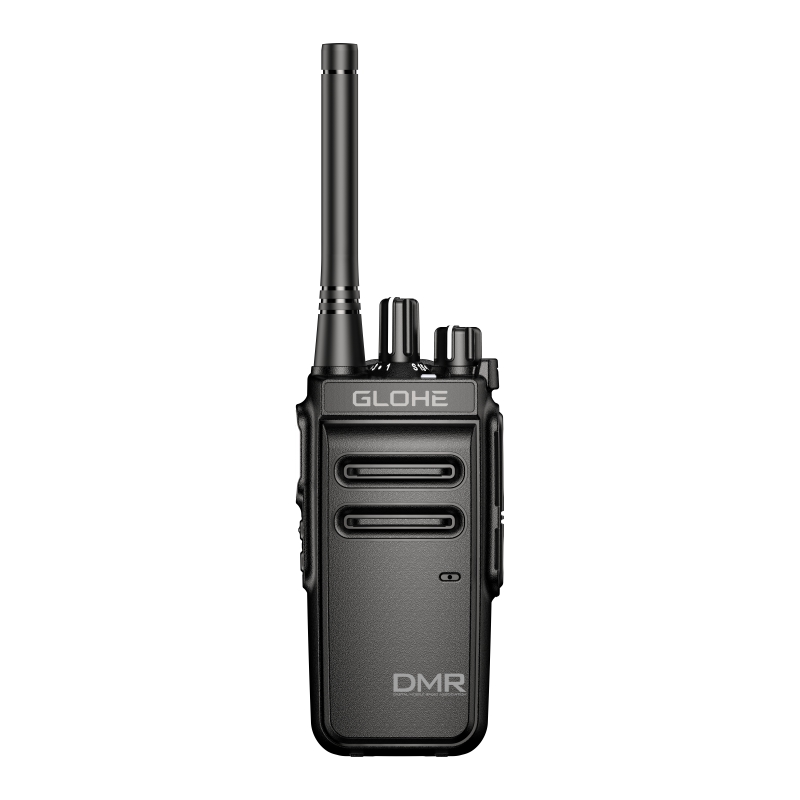
Decide roles first: front-line staff, supervisors, and maintenance each need different features. A site manager may want long battery life and GPS, while a security guard needs simple push-to-talk and good audio. If you are comparing models, also look at DMR-capable units — for example, consider a reliable dmr radio when you need clear digital voice and spectrum efficiency. Procurement choices often follow regional standards; European teams use ETSI TS 102 361 as a procurement reference, which shapes what counts as compliant dmr radio for sale. I’ve guided procurement for several South Asian operations and can point out choices that balance cost, durability, and user acceptance.
Map functional requirements to measurable specs
List tasks, then map each to a concrete spec: range requirement (line-of-sight vs building penetration), battery life (minimum hours under real duty cycles), ruggedness (IP and drop rating), and audio performance in noisy settings. Note the required bands — VHF for wide-area rural work, UHF for indoor dense sites — and whether you need DMR Tier II features like two-slot TDMA for better channel capacity. Keep encryption needs explicit and tied to policy: if confidentiality is necessary, require AES or comparable encryption and ask for independent test reports.
Field validation beats datasheets every time
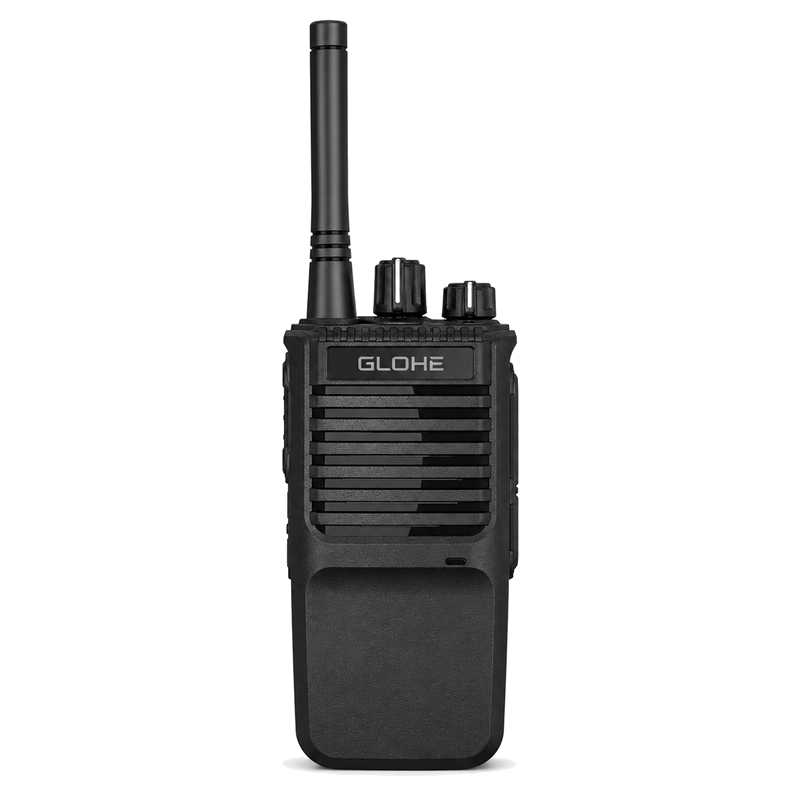
Run a site survey and a short pilot. Test radios at shift change, during peak noise, and in the known dead spots. Check interoperability with your existing analog fleet if migration will be phased. Simulate worst-case battery drain and inspect how long accessories and chargers keep up. Ask vendors for on-site demos rather than relying on showroom claims; real operation reveals microphone quality, antenna performance, and user ergonomics that specs miss.
Procurement process: practical steps that save budget and time
1) Define acceptance criteria tied to those field tests. 2) Require a minimum warranty and clear SLA for repairs and spare parts. 3) Include training hours for users and technicians in the contract. 4) Confirm availability of firmware updates and a clear upgrade pathway. 5) Budget for repeaters or infrastructure if coverage requires it. Tie payments to staged acceptance: sample radios, pilot sign-off, then full rollout.
Common mistakes people make — avoid these
Buying purely on price without a pilot. Over-specifying features nobody uses. Ignoring battery logistics and spare inventory. Assuming analog and digital radios will interoperate seamlessly without repeaters or bridging. Skipping training. Each mistake shows up in early months as missed messages, lower uptime, and hidden costs; require evidence of operational readiness before final purchase.
Alternatives and how to evaluate them
Consider three routes: analog replacement, full DMR migration, or hybrid analog+DMR. Analog keeps simplicity but limits channel usage. DMR raises capacity and can cut channel licensing costs over time but needs training and compatible infrastructure. Hybrid lets crews phase in digital features while keeping legacy radios. Compare lifecycle costs: purchase price, accessories, spares, service contracts, and expected replacement interval. Also weigh non-radio options like push-to-talk over cellular where coverage and security meet your needs.
Checklist you can use right away
Define roles and essential features. Confirm frequency band and licensing. Set minimums for battery life, IP rating, and audio. Require a live pilot and site survey. Demand warranty, spare parts, and firmware support. Include training and staged payment tied to acceptance. Compare total cost of ownership for at least three scenarios: analog, digital, hybrid.
Final synthesis and practical next step
Focus on what your teams actually use every shift. Choose radios that pass field tests, match your spectrum, and come with support for spares and updates; that process leads to reliable daily communication rather than one-off savings. For procurement that follows these checks and balances, vendors such as GLOHE often provide the practical device and support options that align with operational needs without unnecessary complication.

