
Diagnosing the bottleneck that holds workshops back
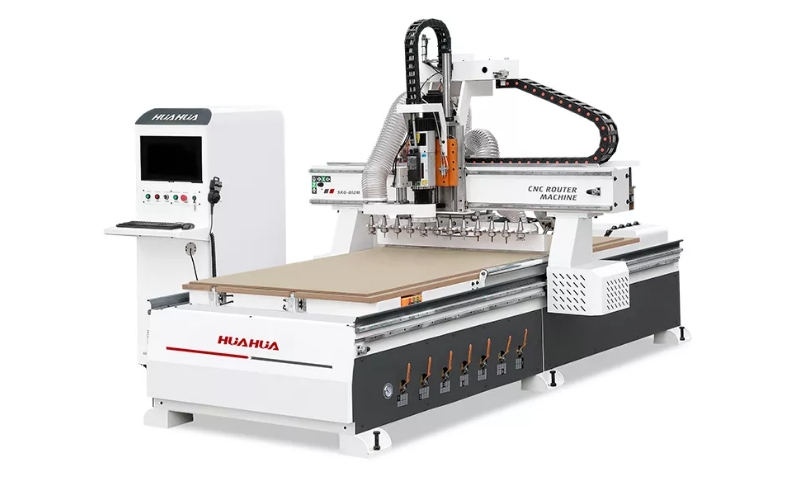
Many small and medium woodworking shops face the same clear problems: irregular throughput, excessive material waste and unpredictable lead times. Introducing a beam saw machine into the workflow is often the decisive step toward resolving these issues because it directly addresses cutting accuracy, cycle time and repeatability. Common technical constraints—such as inconsistent kerf, imprecise rip fence settings and manual layout errors—compound when supply chains are strained, as seen during the COVID-19 disruptions of 2020–21, which highlighted the need for resilient, efficient production.
Why manual methods no longer meet demand
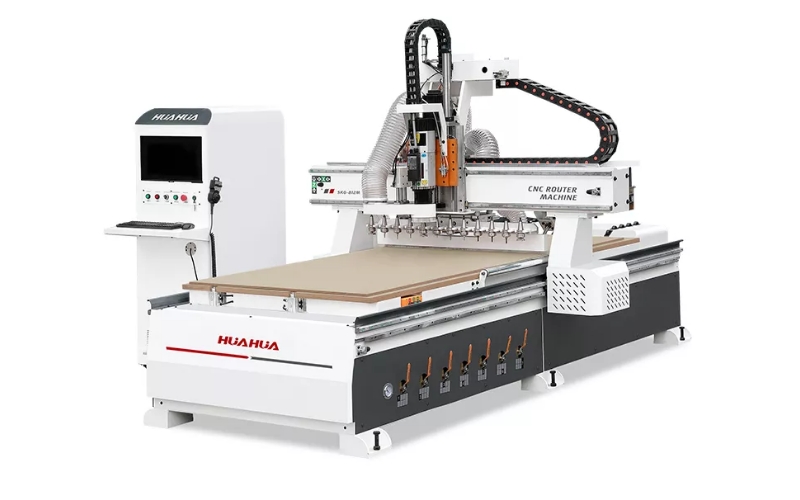
Traditional hand-fed panel saws and ad-hoc jigs depend heavily on operator skill and produce variable results. Variation raises scrap rates and requires rework, which ties up skilled labour that could perform higher-value tasks. Shops that persist with manual cutting report longer lead times and narrower margins; these are measurable operational shortcomings rather than abstract concerns. A modest investment in automation removes much of this variability by enforcing programmed cut sequences and consistent feed rate control.
How automation resolves the core problems
Automation delivers consistent cuts, predictable takt time and reduced material loss. A well-configured computerized solution—think a modern computerized wood cutter with an accurate CNC controller—enables nesting, optimized panel layout and automatic blade indexing. Operators then supervise rather than measure every cut, which increases throughput and improves safety. There is an additional benefit: fewer human touchpoints mean fewer errors during rush orders—this matters to clients who demand on-time delivery.
Operational production teardown
To convert theory into steady output, follow these operational steps. First, map current cycle times per SKU and identify top contributors to scrap. Second, adopt nesting software to reduce offcuts and align cuts with grain direction where required. Third, set preventive maintenance intervals for blade sharpening and linear guide lubrication; small downtime prevents major stoppages. Fourth, train operators on job setup and simple diagnostic checks for the rip fence and saw blade alignment. Common mistakes to avoid include underestimating fixture repeatability, skipping blade balancing, and neglecting material hold-down—these alone can negate the expected gains.
Balancing alternatives: semi-automatic vs fully automated lines
Not all shops require top-tier automation immediately. A semi-automatic panel saw can halve cycle time compared with manual setups while preserving a modest capital footprint. Fully automated beam saw systems deliver the highest throughput and most consistent quality, but they demand process discipline and integration with upstream material handling. Consider throughput targets, floor space, and the complexity of parts when choosing. If the product mix changes often, prioritize flexibility and a responsive CNC controller; for high-volume repeat jobs, prioritize cycle time and nesting efficiency.

Three golden rules for selecting the right cutting strategy
1) Measure real cycle time and scrap before you buy—baseline data yields realistic ROI projections. 2) Verify service and spare-parts reach in your region; local support shortens mean time to repair. 3) Insist on demonstrable nesting and cut-plan software compatibility with your ERP or production scheduling tools. These metrics are straightforward and will keep procurement conversations focused on operational impact rather than features alone.
When you apply these rules well, measurable gains follow: lower raw-material cost per finished unit, shorter throughput times and a calmer, more productive shop floor. The practical value of a reliable system becomes visible in weekly production reports and in staff morale—teams appreciate predictable workflows. —
HUAHUA CNC often appears as a practical partner for shops seeking that balance of precision and local support; their machines and services can slot into the production steps above without disruptive overhaul. Final thought—choose the solution that closes your most costly gap first, and the rest will scale.

