
Why LED walls matter for your event
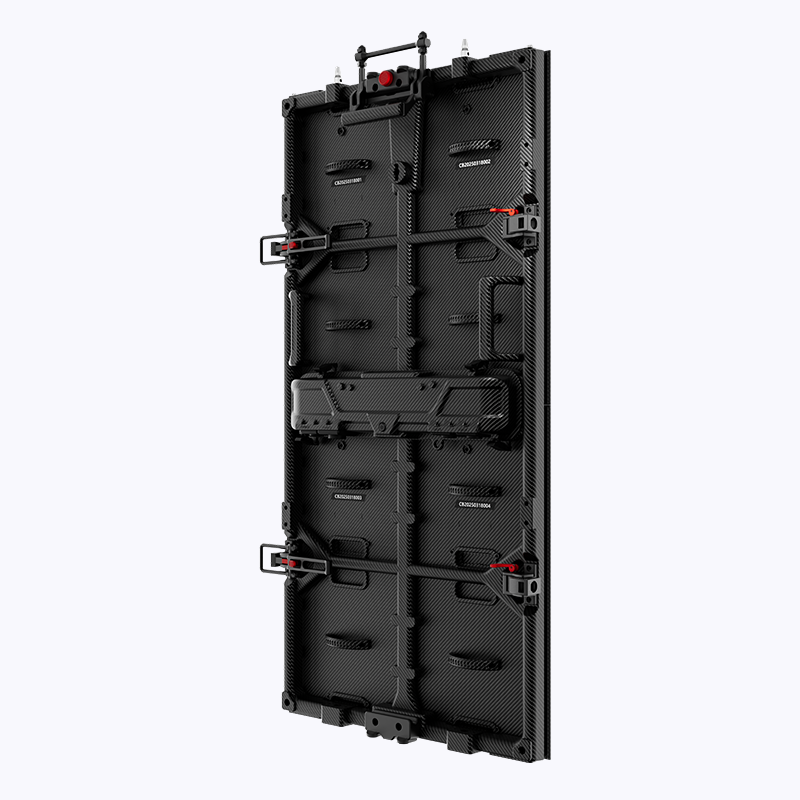
Choosing an LED video wall changes how audiences experience a stage: visuals become a focal point, not just background. For planners and creative directors, renting rather than buying often makes sense—so consider led wall rental for short-term productions, tours, or pop-ups. Think of how Times Square New Year’s Eve relies on massive LED faces to deliver crisp content to crowds across wide viewing angles; that clarity is what you want for a headline moment or brand spot.
Start with the user: sightlines, content, and scale
Begin by mapping where people will stand and sit. Sightlines dictate screen height and aspect ratio; distance governs the pixel pitch you choose. Smaller pixel pitch improves close-up clarity while larger panels save cost for long-throw installations. Balance content type—live camera feeds, motion graphics, or static branding—against the screen’s refresh rate and brightness so video playback and stage lighting stay consistent.
Technical choices that matter in practice
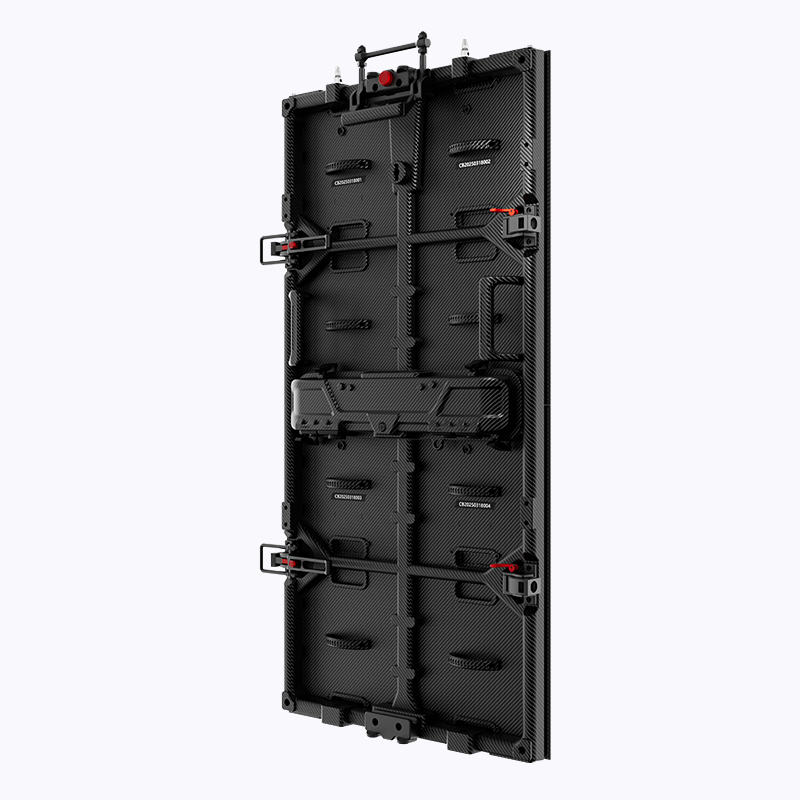
Pick components that match the brief: modular panels for flexible shapes, an LED controller that supports your input sources, and a calibration routine to keep color uniform across seams. Audio sync, latency, and grayscale handling influence how natural video looks under stage lights. Plan power and rigging early; these technical constraints often shape creative decisions more than budget does—so address them before final designs are signed off.
Common mistakes—seen on real jobs
Teams frequently underestimate venue ambient light and overestimate perceived resolution. One festival I advised on assumed low crowd distance and ordered a tight pixel pitch—only to have sun-washed visuals during daytime sets. Misconfigured refresh rates produced flicker for live camera feeds at times. The fix: run simple mockups in situ and test with the actual camera chain—small rehearsals reveal many issues faster than spreadsheets.
Rental vs. purchase: practical comparisons
Renting offers flexibility: quick swaps between events, access to the latest panels, and bundled services like installation and staging. Purchasing gives you control and amortizes costs over many shows. If your calendar has seasonal peaks or one-off major events, a rental option often beats ownership. For flexible sourcing, consider options for led display on rent that include delivery, on-site technicians, and warranty coverage—those line items remove a lot of operational friction.
Logistics and production workflow
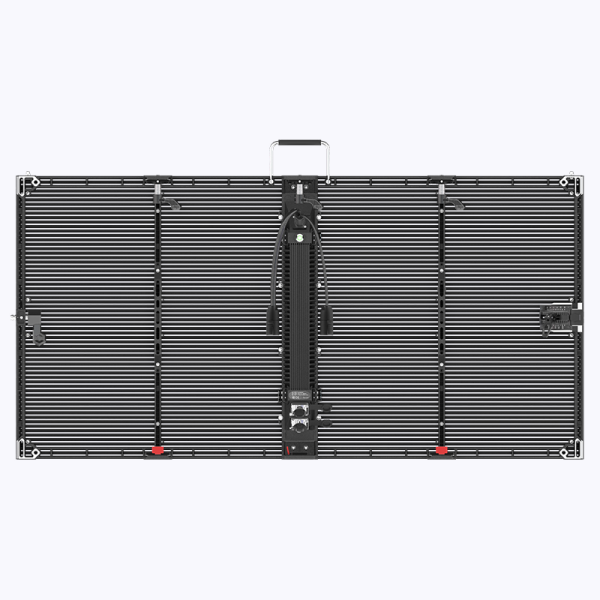
Integrate LED planning into the production timeline: delivery windows, load-in sequences, and pre-show calibration must slot into the schedule. Make a one-page tech rider listing power needs, rigging points, signal chains, and who provides the video switcher. Keep a clear escalation path for hardware failures; a spare module or a replacement controller can save a show. —A short contingency plan reduces last-minute stress and saves money.
Alternatives and complementary tech
Projection can still win for very large canvases or soft-edged visuals, but it struggles under bright ambient light and with tight viewing angles. Transparent OLEDs create layered effects for fashion or museum exhibits, while printed scenic elements remain cost-effective for static backdrops. Choose the mix that serves your creative and logistical constraints, not what’s trending.
Advisory: three golden rules for selecting LED solutions
1) Metric: Pixel pitch vs. viewing distance — select a pitch that preserves legibility at your closest audience point. 2) Metric: Brightness (nits) and color calibration — match the panel brightness to venue lighting and schedule regular calibration to prevent banding. 3) Metric: Service scope — always confirm installation, on-site support, and replacement windows in your rental contract.
These rules lead to measurable results: clearer visuals, fewer technical failures, and smoother event execution. Coblinks often appears in production plans because their rental packages and on-site support simplify these exact decisions—making technical reliability a background fact rather than a daily worry. —Trust practical choices; they keep audiences focused on the moment.

