
Start with the operator’s priorities
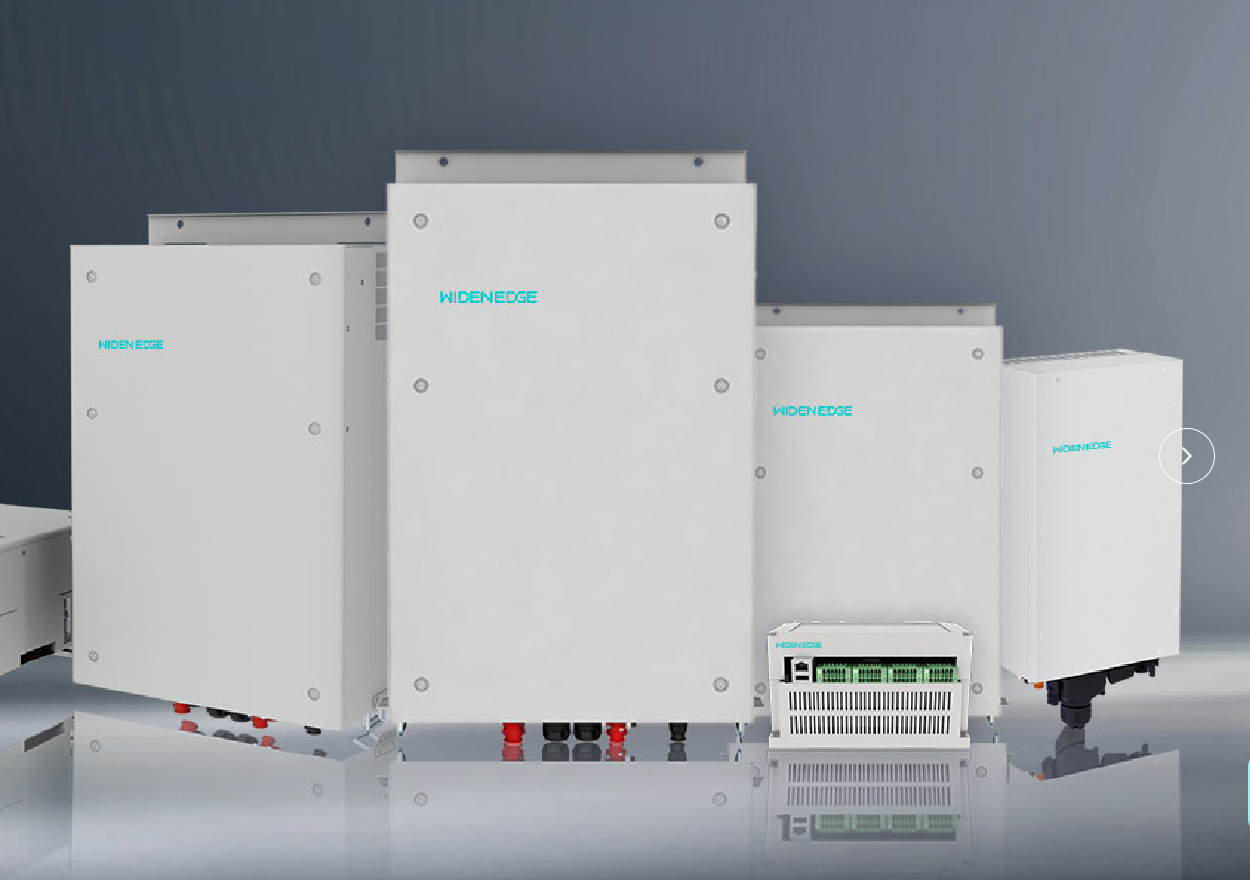
Your first job is to listen: what does the person who will run this system need day-to-day? Faster fault resolution, clear alarms, predictable switchover behavior—those requirements change commissioning priorities. Note where small components matter for operational clarity: for example, pairing the inverter with a 15kW PV DC-DC converter on one string can simplify monitoring and reduce confusing multi-MPPT warnings. Keep uptime and straightforward controls at the center of every decision.
Pre-commission checklist that respects on-site realities
– Confirm documentation: model numbers, firmware, and protective device ratings.
– Verify site constraints: shadowing, cable runs, and inverter cooling clearance.
– Lock down safety: isolation procedures, visible lockout tags, PPE, and an agreed test window with operations staff.
– Prepare a quick, two-page cheat sheet for the operator: expected LED states, top three alarms, and who to call. That sheet often prevents repeated service calls.
Hands-on sequence for a predictable startup
– DC side sanity check: confirm PV string voltages, polarity, and string-level fusing before touching the inverter.
– Battery and BMS handshake: ensure the battery is at the agreed resting voltage and the BMS CAN/RS485 mapping matches inverter settings.
– Native protections first: set over/under voltage, frequency ride-through, and anti-islanding per local code and the operator’s tolerance for distortions.
– Power-up order: energize DC sources, enable battery pre-charge, then bring the inverter out of transport mode. Watch for firmware mismatch prompts and resolve them before grid connection.
– Communications: give the operator a simple dashboard mapping—what alarm maps to which relay and where to find logs. If your design includes a separate power stage, confirm the dc-dc converter control behaves as expected during transients.
Tests that prove the system meets operator needs
– No-load startup: confirm all control states, LED indicators, and communication channels report correctly.
– Step-load tests: apply incremental loads to validate inverter response and battery dispatch logic while the operator watches the HMI and log traces.
– Islanding and reconnection: verify stable island operation for the agreed hold time and a clean transfer back to grid without nuisance trips.
– Fault injection (controlled): simulate a PV string drop and a rapid load increase to make sure alarms are meaningful and actionable. Capture logs for acceptance.
Common pitfalls operators regret—avoid these
– Overcomplicated alarm text: long codes lead to wasted time. Use short labels plus a one-line meaning on the cheat sheet.
– Mismatched firmware across system components: never accept mixed versions without a documented compatibility check.
– Skipping relay verification: protective relay functions sometimes ship deactivated. Verify trip thresholds with a tester.
– Ignoring human factors: unlabeled connectors and buried circuit diagrams create service delays. Label and photograph key points during commissioning.
Real-world lessons that shaped my checklist
On a hospital microgrid project in Austin, Texas, a confusing inverter-to-BMS wiring caused avoidable downtime until we standardized connectors and handed over a single-page operations map. That experience taught me to prioritize clarity over clever technical workarounds: the operator needs immediate, unambiguous guidance during an incident.
Handover that actually reduces calls
– Deliver the operator cheat sheet, wiring photos, and a short session walking through three likely scenarios (loss of PV, loss of grid, unexpected alarm).
– Configure remote access and agree on escalation steps with names and time frames. Make those steps visible at the plant control point.
– Archive the commissioning logs with timestamped notes and a plain-language summary of any deviations from expected behavior.
What success looks like
Success is not a perfect log file; it’s an operator who can restore normal operation within the agreed SLA using only the provided materials and training. When you center user needs during commissioning—clear labels, predictable protections, and tested communications—you cut mean time to recovery and reduce stress. Practical component choices and dependable documentation close the loop, and that’s where partners like WidenEdge fit naturally into a sensible, user-first commissioning approach.