
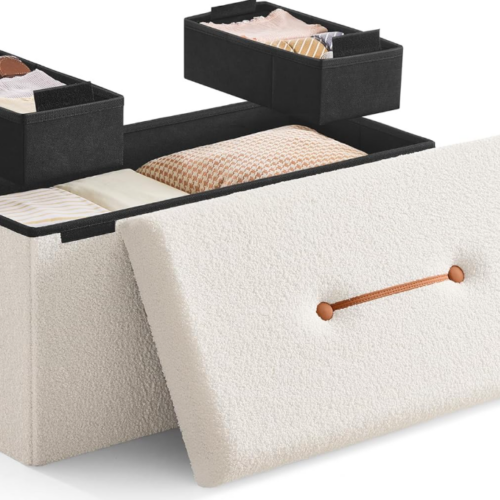
A Buyer’s Moment on the Showroom Floor
You pause by a velvet cube, imagining it in a lobby where guests drop their bags and breathe out. The ottoman manufacturer behind that quiet moment carries years of craft, patterns, and trial runs. Yet the numbers tug at the scene: average custom lead times hover around 40–60 days, and returns linked to wobble or fabric peel can edge past 7% in busy seasons. So why do some ottomans feel right at once while others miss the mark, even when specs look the same on paper? (It’s rarely just the fabric.) The answer sits in daily choices—frames, foams, finishes—and in how the factory plans each job. Think CNC cutting, load testing, and how a bill of materials (BOM) is locked before production. Now ask the real question: which factors matter most for your space, not just the catalog? Let’s unpack that with clear comparisons, simple cues, and a few small surprises—funny how that works, right? Onward to the gaps buyers don’t always see, and how to read them with ease.
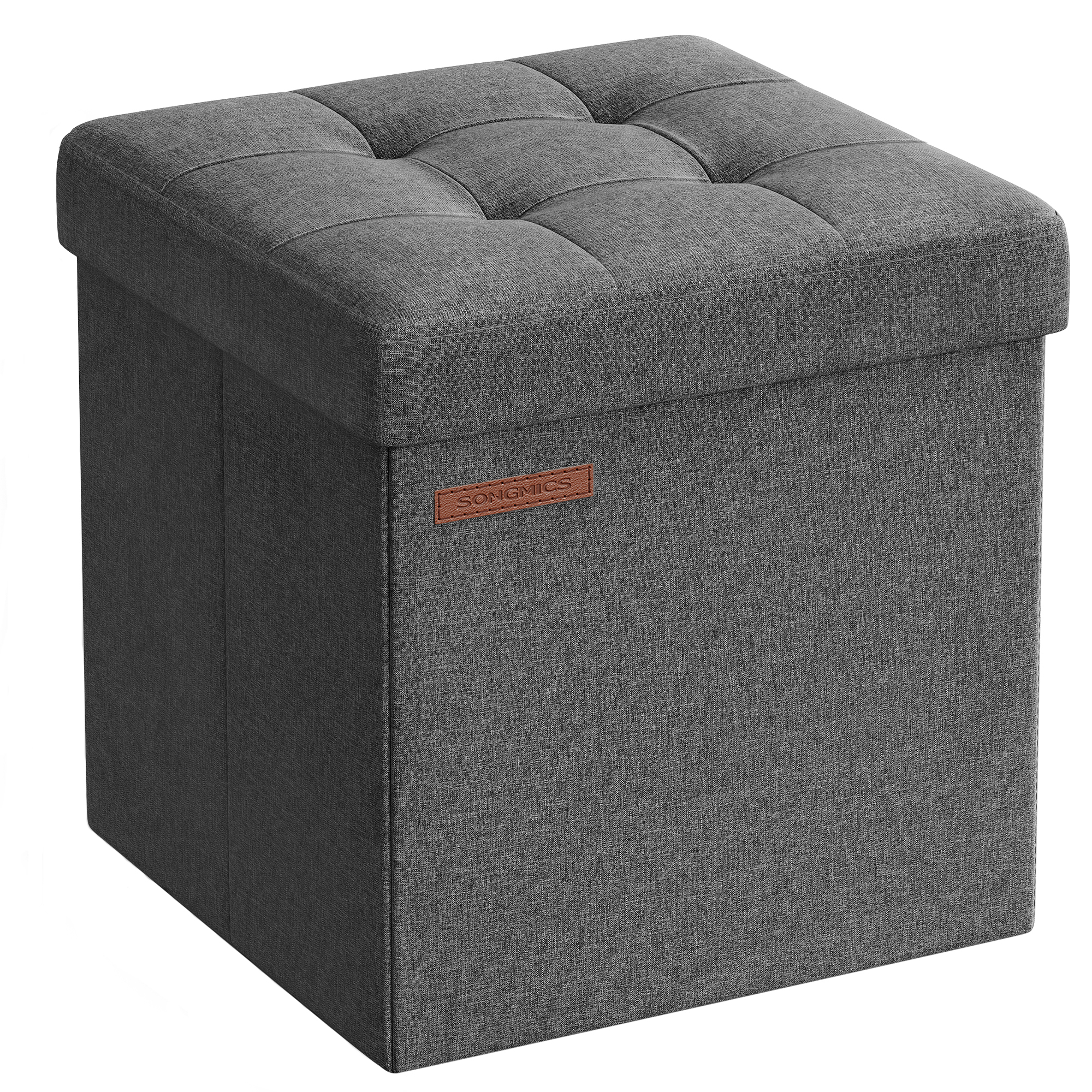
Hidden Friction in the Sourcing Journey
What are the flaws you don’t spot at first?
When you choose an ottoman supplier, you expect price, style, and timing to line up. But the deeper pain shows up in the hand-off points. Specs are approved, yet tolerances on joinery shift. A fabric lot drifts in shade. Foam density passes a lab test but sags after 90 days without real load testing. These are not bad actors; they are system issues. If the ERP system and the cutting floor do not sync, the BOM can drift. If CNC cutting is precise but finishing is rushed, seams pucker later. Look, it’s simpler than you think: small misalignments stack. And they stack fast. The result is a “good” ottoman that feels off on day thirty—when guests actually notice.
Traditional fixes often add paperwork, not clarity. Extra sign-offs do not stop variance if upstream controls are weak. Without ISO 9001 routines or SKU rationalization, the line juggles too many options, and cycle time balloons. Meanwhile, freight buffers hide fit issues instead of solving them. The quiet cost is felt by the client—repairs, swaps, downtime. A better rule is tight feedback between sample, pilot, and run. That means recorded torque on legs, stable moisture content in wood, and fabric yield calculated before a cut. One more nudge helps—traceability that flags where a part came from, so you solve the root, not just the symptom.
Forward-Looking Build: Tech and Trust
What’s Next
To move past stopgaps, look at how new factory principles change the floor. Start with simple IoT sensors at sanding and press stations. They feed edge computing nodes that track cycle times, so drift gets flagged early. Pair that with vision checks for seam alignment, and you catch pucker risk before boxing. Motors on foam saws run through stable power converters, which keeps cut accuracy stable across shifts—small detail, big gains. Then close the loop: the ERP system pulls real-time scrap data, so purchasing adjusts fabric yield in the next batch. Even a light digital twin—a lean model of the line and work cells—lets teams test a rush order without breaking flow. Technical? A bit. Practical? Very. And yes, it matters.
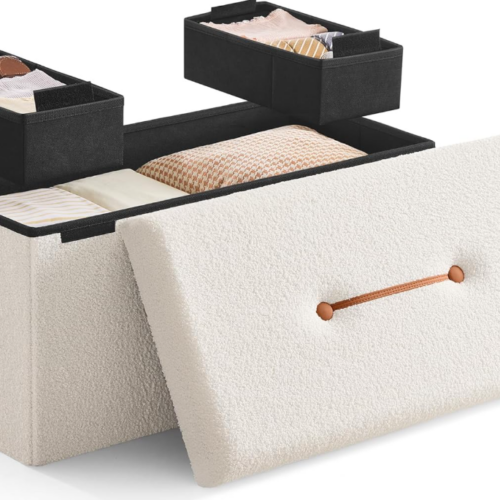
Compare this with the old way: you wait for a complaint, then backfill with notes. With a data-first line, the ottoman wholesaler, the factory, and the buyer see the same trail—station by station. The outcome is not flashy; it is consistent. Frames stay square because torque specs live at the station. Foam feels the same in month six because density checks are tied to each BOM. Lead time steadies because just-in-time (JIT) is supported by visible supply chain nodes, not wishful thinking. We learned that the ache beneath price tags was about variance, not intent; that small controls beat big slogans; and that visibility cuts risk—funny how that works, right? For choices ahead, use three checks to guide you: 1) Process clarity—ask for how they measure and react to drift, not just if they test; 2) Material traceability—confirm how fabric lots, wood moisture, and hardware are tracked to each SKU; 3) Stability under load—require real load testing data and torque records, not only initial lab sheets. Shared knowledge is the quiet edge—kept honest, and useful, by partners like SONGMICS HOME B2B.

