
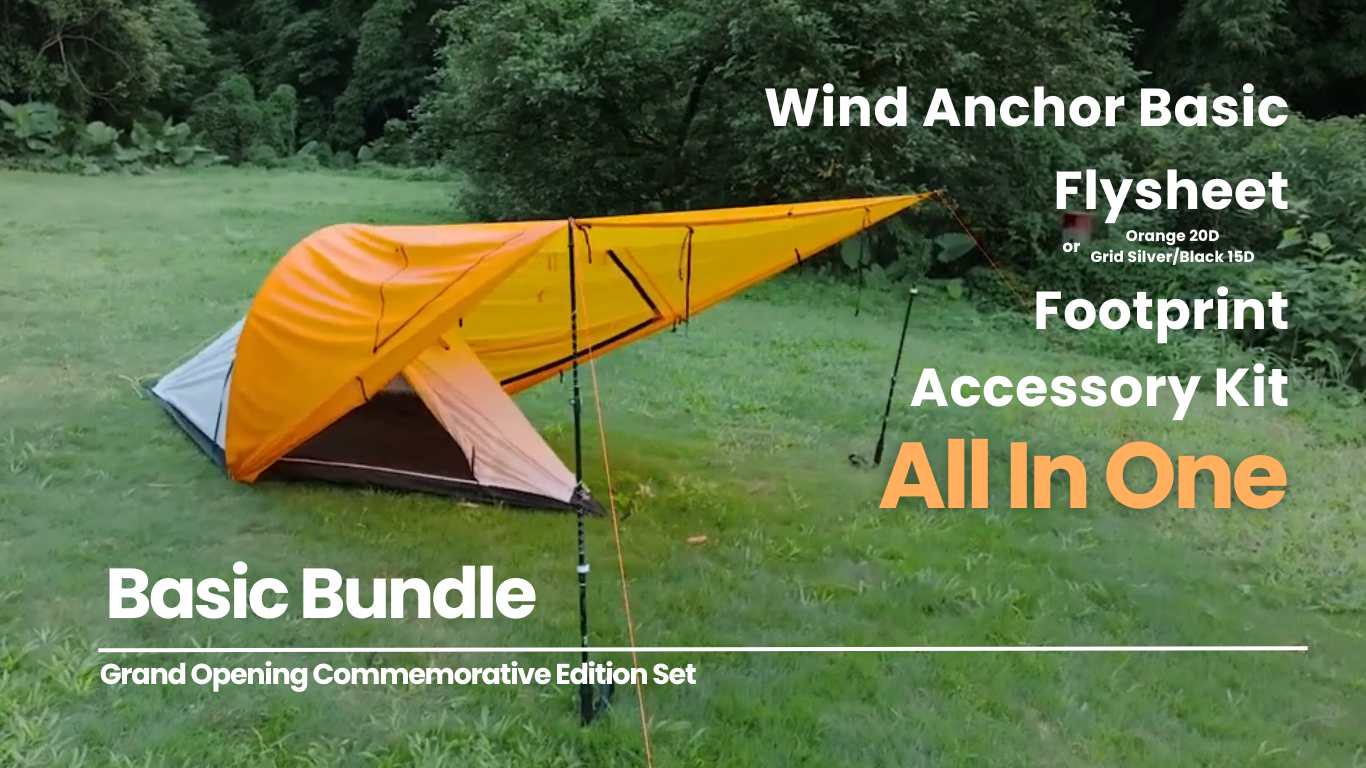
Start with what matters to you
You want shelter that works when weather turns, not a fashionable compromise. Think about your needs first: stay dry, keep warmth, and pack without fuss. I write with a relaxed eye on practical use, and I point readers toward gear that does the job. If you’re browsing options right now, visit thecatal outdoor to see straightforward specs and photos that help compare features quickly.

How a full rainfly helps you, in plain terms
A full rainfly covers the tent body and vestibules, so rain rarely finds a way in. That means less condensation inside, more usable porch for cooking or storing packs, and better thermal retention at night. For you, that translates to fewer mid-trip surprises and more sleep. Full coverage also cuts wind-driven spray and keeps seams out of direct exposure, so stitching lasts longer and maintenance is simpler.

User mistakes that cost comfort
People assume a partial fly is fine because it looks lighter. Then they wake to damp gear or spend time rigging tarps. Common errors: pitching the tent too low (blocks airflow), skipping guy lines, and storing wet gear inside the sleeping area. Fixes are direct: tension the fly, stake properly, and keep wet boots in a vestibule. Those small steps keep a full-fly setup working the way it should.
When a full fly isn’t the best pick
There are trade-offs. Full rainflies add weight and reduce ventilation compared with mesh-first designs. If your trip is a summer-only fastpack where every ounce matters, a partial fly or tarp shelter might win. If mosquitoes are the main issue and rain is unlikely, a mesh canopy with a light fly can be more comfortable. Choose by route and season, not by marketing claims.
Real-world signal: industry talk about adaptive shells
At Outdoor Retailer, manufacturers showcased tents that blend full-coverage protection with adjustable vents—designs that nod toward a “smart shell” approach. That shift matters because it answers two user needs at once: shelter from weather and control over airflow. Learn more about those concepts through smart shell, where the ideas behind control and coverage are explained alongside product examples.
Quick comparison so you can decide
Full fly: best for wet, windy, or mixed-weather trips. Partial fly: lighter, better ventilation, best in dry warm conditions. Tarp: ultralight and flexible, but needs skill to rig. Match the choice to the trip’s uncertainty: more unknowns, heavier protection. Pack weight matters, but comfort and gear preservation matter more on longer trips.
Final thought—what this means for your kit
Pick shelter for the problems you’ll actually face, not the brochure. A full rainfly is simple insurance: it keeps things dry, cuts work at camp, and reduces gear wear. When the goal is fewer surprises and more comfortable nights, the balance often falls toward full coverage, and that practical focus is exactly the kind of clarity THECATAL brings to comparing tents and choosing the right setup.