
Introduction: A Saturday Dawn, A Choice at the Kerb
I rolled out before sunrise, streets quiet, coffee still warm. A sport cruiser motorcycle pulsed at idle, its exhaust echoing off HDB blocks. Riders love that balance of speed and chill, so many of us hunt for the best sport cruiser motorcycles like kiasu bargain hunters. Here’s a quick data point: midsize cruisers with a flat torque curve and ABS see some of the highest urban adoption in our region, because they feel “steady” in jams yet stay lively on expressways. But is that the whole story—got catch or not?
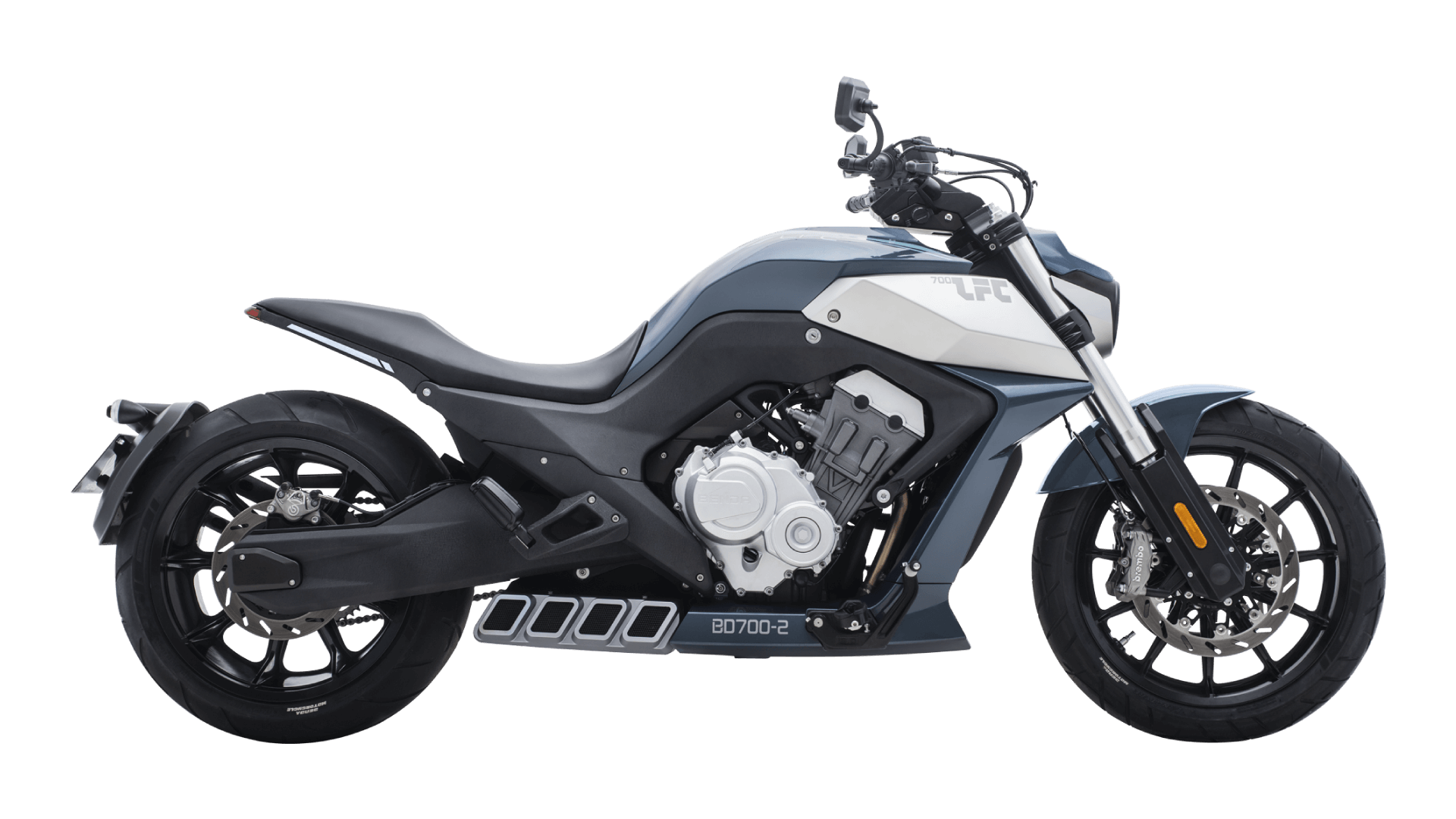
Look closer and you’ll see a puzzle. Specs promise comfort and muscle, yet real-life rides can feel hot, twitchy, or tiring. The numbers (power-to-weight, seat height) don’t always match your body or roads, lah. And the ECU tune that shines on paper? It may not match our humid stop-go traffic. So the question is simple: what’s actually holding riders back from loving their bikes every day? Let’s dig in, then move from problems to fixes—smooth like butter, can.
Hidden Friction Riders Don’t See (Yet)
Where do riders actually struggle?
Let’s go technical for a bit. The first hidden pain: heat management. Many cruisers shield your legs at speed but cook them in slow traffic—funny how that works, right? When airflow drops, heat soak climbs, and your calf becomes the radiator. Next up is geometry drift. On some platforms, rake and trail numbers look “stable,” but once you load a pillion and a top box, the steering feel changes. The bike that felt planted now feels vague at lean-in. Then there’s fueling. Ride-by-wire systems can be crisp on open roads, yet get snatchy at low rpm in carparks if the base map favors emissions over smoothness. Add a heavy clutch without a slipper clutch, and you’ll juggle stalls more than selfies. Look, it’s simpler than you think: most “best” lists rank on peak specs, not on how these systems interact in your daily loop.
The second layer is ergonomic latency—how long it takes your body to complain. A low seat sounds comfy, until your hips lock after 30 minutes because the mid-controls angle is off. Bar reach that suits a showroom slouch turns into shoulder ache on the highway. Even switchgear matters; small toggles plus thick gloves equal missed inputs. Meanwhile, CAN bus add-ons (lights, phone mounts, dash cams) can create voltage noise if not installed cleanly, and you’ll blame the bike when it’s the wiring. Lastly, drivetrain vibes at certain rpm bands invade the pegs; it’s not about power, it’s about harmonics. Together, these frictions don’t show up on a brochure—but they hit every commute. That’s why riders keep swapping bikes, thinking the next one solves it, while the root cause stays unseen.

What’s Next: Tech That Actually Eases the Ride
Time to look forward, not just frown at problems. The new wave blends hardware with smarts. Think adaptive fueling maps tied to wheel speed and throttle position, not just fixed modes. With improved ECU logic, the off-idle jerk gets tamed without killing response. Variable valve timing keeps midrange punch while smoothing vibes. Quickshifter-lite systems reduce left-hand fatigue in jams. And modern traction control learns grip over a few stops—micro-adjustments you barely feel, but your ankles will thank you later. Pair that with better thermal routing and ducts that channel heat away at low speeds, and you’ve solved the “city roast.” Bring in lightweight cast alloys and revised wheelbase to restore that neutral turn-in once you add luggage.
Connectivity matters too, but keep it practical. Instead of flashy dashboards, small edge computing nodes in the cluster can filter sensor noise, avoiding dash glitches when you stack accessories. Cleaner power converters reduce flicker and charging woes. Over-the-air updates refresh fueling trims after service. Even brake systems are evolving: cornering ABS reads lean angle, so panic stops feel less panicky. Comparing yesterday’s “raw muscle” to today’s smart muscle is revealing—it’s not softer; it’s just more aware. So when you read about a sports cruiser motorcycle that promises composure and grunt, check whether these principles show up in the spec sheet and, more importantly, in rider logs. The goal isn’t tech for tech’s sake; it’s to make the bike disappear under you—just you, the road, and clear mind.
To wrap up with something useful, here are three metrics to guide your shortlist. One: low-speed control smoothness—test the throttle under 3,000 rpm and feel for surge or lag. Two: thermal comfort at idle—five minutes in traffic, then rate leg heat and seat soak. Three: geometry resilience—ride solo, then loaded, and note steering feel in a steady S-bend. If a bike scores well on these, chances are the daily grind becomes less grindy—funny how that works, right? And if you want a solid benchmark to start your own checks, keep an open mind and look across brands, including BENDA.

