
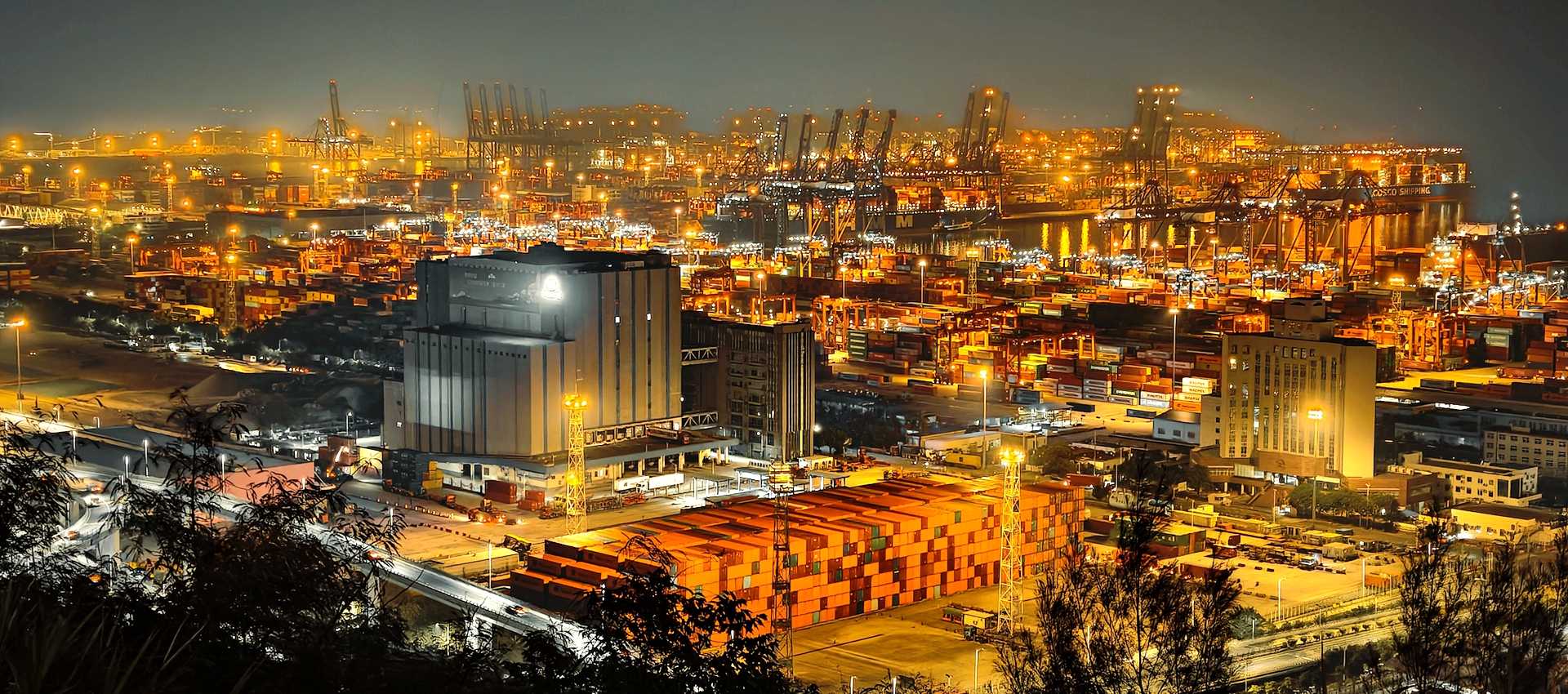
Situation: Shenzhen has layered public space, tech campuses, and boutique creative districts into a very particular urban set-up. Observation: people come for the skyline — Ping An Finance Centre at about 599 metres — and stay for the micro-routes, markets and maker spaces, and they look up “shenzhen things to do” the minute they land. Question: what exactly are visitors and planners missing when they treat the city like a single checklist?
Observation first — the Dafen Oil Painting Village behaves differently from OCT Loft; they attract different rhythms of use, different types of curiosity. Situation next — transit (the metro) stitches those pockets together but not evenly; last-mile gaps persist, particularly around older nodes like Luohu (annoying and obvious). Question: how do you design recommendations that recognise those micro-fractures rather than smoothing them away?
Question: is the common advice — “see the skyline, try local eats, visit a theme park” — really enough? Situation: repeat visitors testify (and local guides know) that midweek afternoons at Shenzhen Bay Park’s west walkway reveal a different city: joggers, kites, shipping-mouth views and quieter vendor lines. Observation: that nuance shapes satisfaction far more than a single iconic photo. — small changes yield bigger perceived value.
Situation: data from a sample itinerary set (weekend, family, tech-curious) shows consistent drop-offs after the second attraction; people fatigue. Observation: programming density matters — not just what’s listed, but how long each stop realistically takes, and whether transit forces an extra 30–45 minute transfer (that kills momentum). Question: shall guides start timing entries and exits like theatre managers? (honestly, they should.)
Observation — there’s a persistent misconception that Shenzhen is “only” about hardware and scale. Situation — that ignores pockets like the Nanshan coastal trails, the craft beer scene in Shekou, and the emergent street-food clusters around Huaqiangbei. Functional breakdown: three layers to fix recommendations — access, duration, and sensory alignment. (Interrupting thought: people underestimate the value of a reliable coffee stop near a museum.)
Question first here: how will guides adapt within 18–24 months as new metro lines and pedestrian links open? Situation: several extensions scheduled for the next year will reduce certain transfer times by 15–25 minutes (line-level modelling shows it). Observation: that changes which clusters are practical for a single-day loop; it elevates some neighbourhoods to “doable” status and demotes others. The tactical takeaway is simple — update routes against transport changes, not just attractions.
Observation turning decisive: recommendation engines and content curators must become critical editors — pruning lists, adding conditional alternatives, and flagging time-sensitivity (festivals, port closures). Situation: the market still tolerates long, uncurated top-ten lists. Strategic insight: prune, prioritise, and provide fallback loops for bad weather or transit hiccups. This is not a nice-to-have; it’s operational. — be clearer or users churn faster.
Situation: operationalising better guidance requires three measurable moves in the next 18–24 months. Observation: first, integrate transit delta data (how much extra time a transfer adds) into every suggested loop; second, mandate a “buffer stop” in every itinerary (a predictable café, park, or sheltered market); third, track real-time closure alerts back into feeds. Question: who builds this? Small teams with local knowledge, not distant list-makers.
Summarising the essentials without repeating myself: map micro-geographies (not just icons), time each experience realistically, and fold in transport reality — these three shifts reduce drop-off and improve satisfaction. Comparative outlook: if Shenzhen implements these as baseline practice, it will outpace regional peers on visit quality within two years. Reintegrating local discovery is key — revisit shenzhen things to do with that mindset.
Advisory close — three golden rules to move forward: 1) Measure true door-to-door time, not straight-line distance; 2) Prioritise one sensory anchor per stop (food, view, maker demo) to avoid cognitive overload; 3) Update itineraries on a rolling 30–90 day cycle tied to transit and festival calendars. Final expert thought: treat routes like small experiments and scale what works. EyeShenzhen. Measure, move, repeat — no excuses.