
The problem renovators actually face
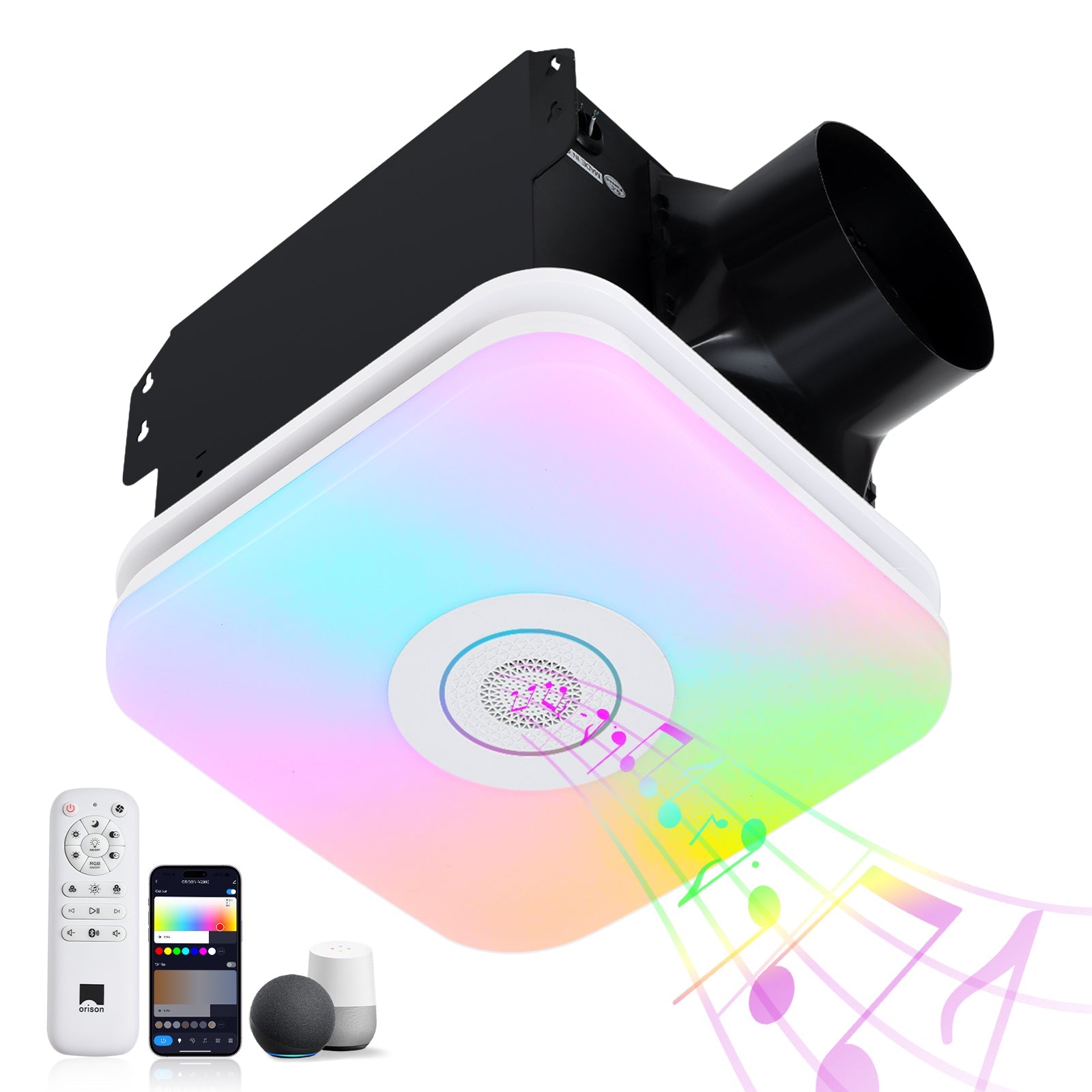
When you’re updating a porch or patio, picking a wholesale outdoor ceiling fan with a light seems straightforward — until bulbs go out early, blades wobble, or the fixture fails an outdoor safety inspection. Many renovators focus on aesthetics and forget three critical layers: electrical compatibility, environmental durability, and supplier QA processes. Start by testing comparable indoor components like a bathroom exhaust fan to see how vendors document safety and installation guidance; if a supplier can’t provide clear cut sheets for an exhaust product, red flags should pop up for exterior ceiling fans too.
How the problem shows up on site
Common symptoms: rapid light degradation (low lumen life), motors that hum or stumble under humidity, and mismatched mounting hardware that stresses the ceiling joist. If a fan’s IP rating or UL listing isn’t documented, you risk callbacks. These issues create schedule slips and inflate warranty costs — exactly what a solid QA blueprint aims to prevent.
Core QA checklist for wholesale outdoor ceiling fans
Use a structured audit to keep comparisons objective. Key items to verify:
- Certifications: Confirm UL/ETL listing for damp or wet locations and verify the IP rating.
- Electrical compatibility: Voltage range, motor type (AC vs. DC), and wiring diagrams for multi-speed controls.
- Light assembly: LED module specs, expected lumen output, and replacement procedures for light kits.
- Mechanical integrity: Blade runout, rotor balance, and corrosion-resistant finishes.
- Packaging & spares: How blades, downrods, and canopy parts are protected and whether spares are available.
Industry terms here matter — look for clear mention of IP rating, lumens, and UL listing on datasheets to avoid surprises.
Real-world anchor: why codes and history matter
California’s Title 24 and similar regional codes pushed manufacturers to publish more rigorous lighting and efficiency data — so suppliers who adjusted after those policy changes tend to have cleaner documentation and better test records. That regulatory nudge is a useful benchmark for any renovator: if a vendor supplied compliant fixtures for California builds, they likely understand outdoor environmental testing and reporting.
On-site audit workflow — step by step
Follow this practical sequence when you get a truckload of fixtures:
- Random sampling: Pull 5–10% of units from different pallets and inspect packaging and part numbers.
- Functional bench test: Power up fans with nominal voltage, test speeds, reverse mode (if applicable), and the light module for flicker or color shift.
- Mechanical inspection: Mount one unit to a temporary bracket to check wobble, blade clearance, and canopy fit.
- Documentation match: Cross-check serial numbers with supplier test certificates and confirm warranty terms.
If any step fails, escalate with photographic evidence and an explicit corrective action timeline — don’t accept vague promises.
Comparing feature sets — when extras help or hurt
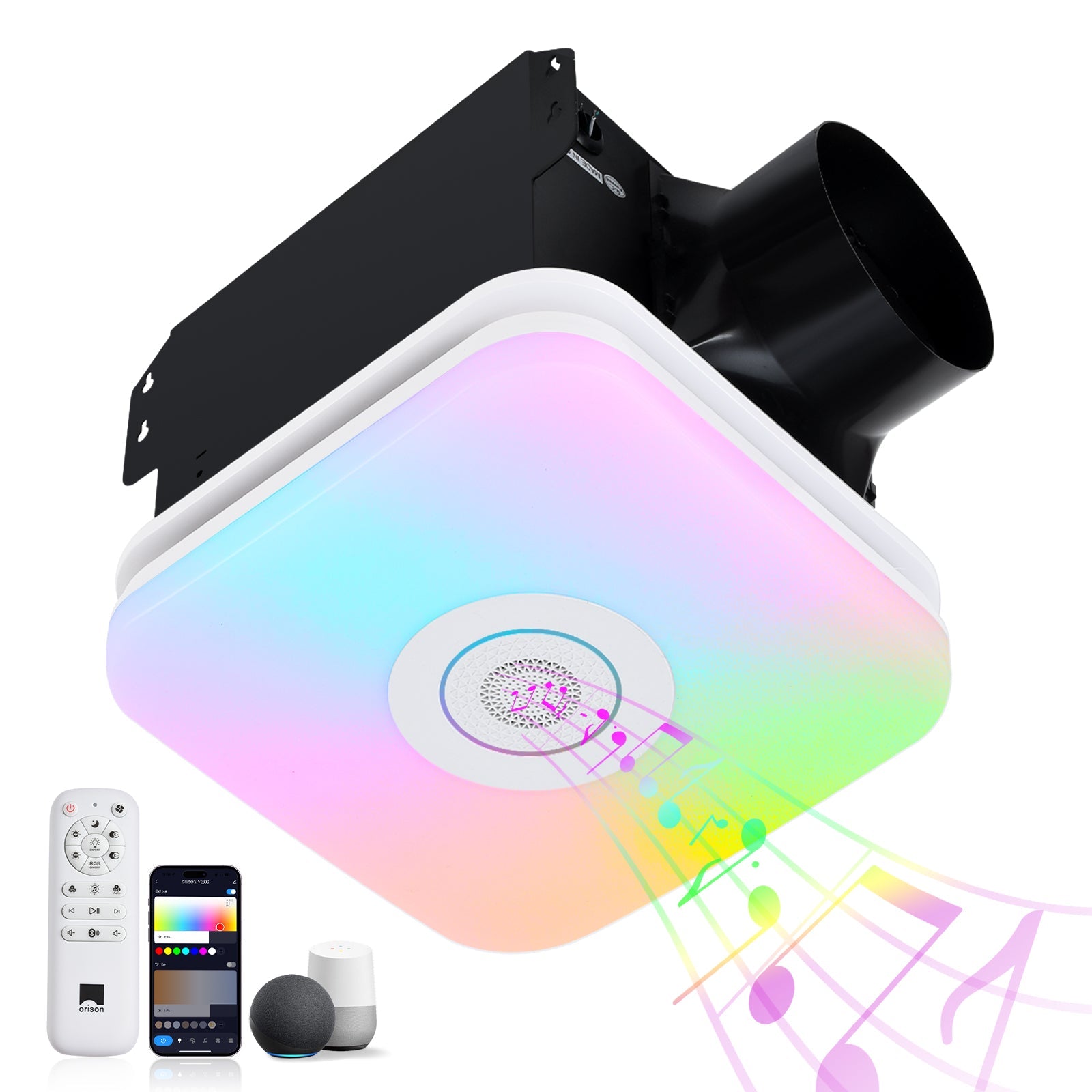
Some wholesale fans now include smart controls, integrated speakers, or hybrid ventilation options. If you’re also evaluating other connected fixtures — say an exhaust fan with speaker for an adjacent gazebo restroom — make sure the supplier separates firmware support from hardware warranties. Integrated features can be great for value, but they often introduce firmware update paths and Bluetooth pairing issues that standard electrical QA won’t catch.
Common mistakes renovators make — and quick fixes
They accept visual-only inspections, skip first-article electrical tests, or assume every fan marketed “outdoor” is suitable for wet locations. Fixes are simple: insist on an electrical bench test, require a damp/wet-location certification copy, and get a signed first-article approval before bulk installation. — Also, don’t forget to verify spare-part availability; blades and light modules are the first to wear.
Choosing between suppliers: practical trade-offs
Price-focused wholesalers win on unit cost but may lack detailed test reports. Mid-tier manufacturers often provide better documentation and batch traceability. High-end suppliers will offer corrosion-resistant finishes and extended warranties, which can save money long-term in coastal areas. Balance initial costs against expected maintenance hours and warranty claims.
Three golden rules for your QA decisions
1) Demand measurable proof: require test certificates (UL/IP) and population-level failure rates, not just marketing claims. 2) Prioritize environmental fit: choose damp- or wet-rated products matching your climate exposure and, where relevant, confirm corrosion-resistant coatings. 3) Audit functionality: always bench-test motor operation and LED light modules before installation to catch early failures.
Follow those rules and you’ll cut rework, save warranty expense, and keep projects on schedule — which is exactly what renovators need. For dependable documentation and support during audits, many pros find value in partners who maintain clear test records and spares logistics. Orison. —