
Why this matters to you
You’re fixing, building, or finishing something that should last. I want you to pick the right product and use it confidently. Start by answering one simple question: does the joint need movement, load bearing, water resistance, or a neat paint-ready finish? If you’re wondering about finishing a cured bead, check can you sand silicone—that’ll steer a lot of decisions about sanding and cosmetics.
Which material suits your job
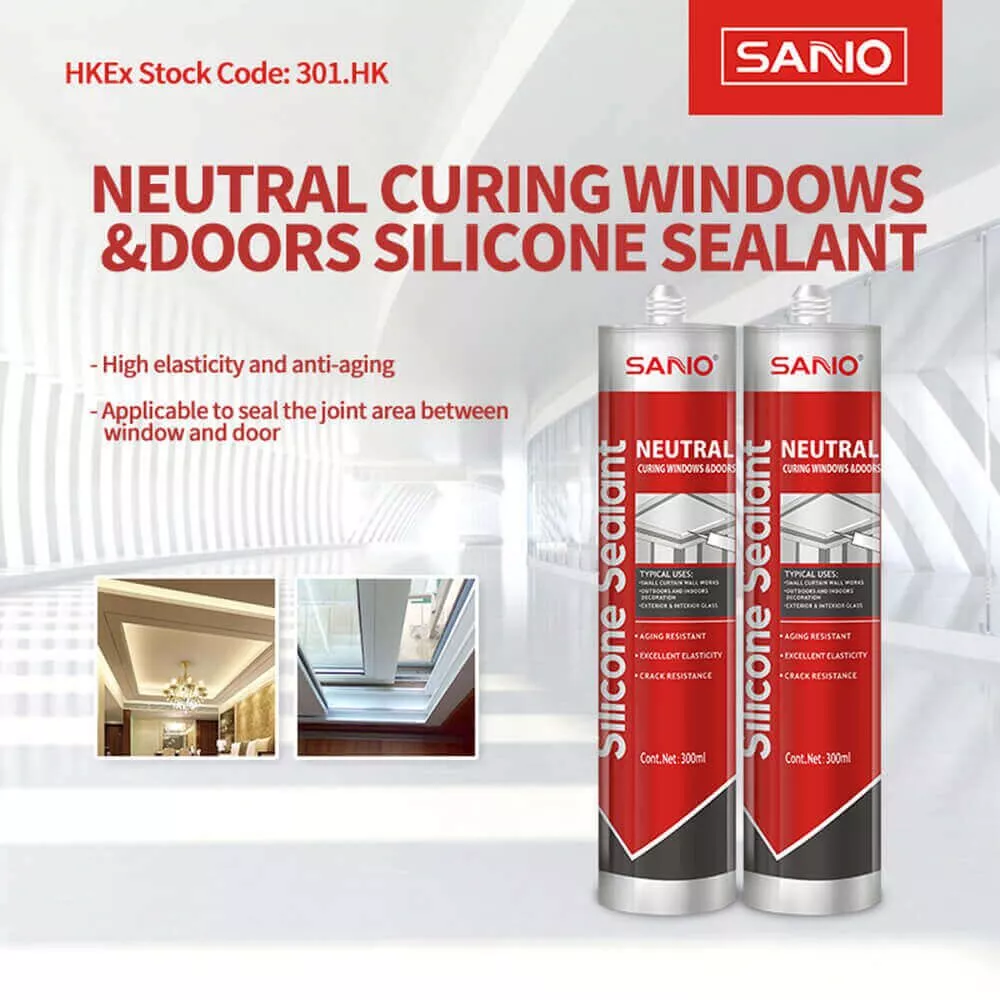
Match the product to the problem. Use silicone for permanent waterproof seals where movement is high but paintability and sanding aren’t required. Choose acrylic-latex (paintable caulk) when you need to sand and paint. Polyurethane gives strong adhesion on mixed materials and handles abrasion. For lubricants, pick dry PTFE sprays for door tracks and lithium greases for metal bearings. Think substrate, exposure, and finish first; strength and flexibility follow.
Cleaning, prepping and applying: a user-first process
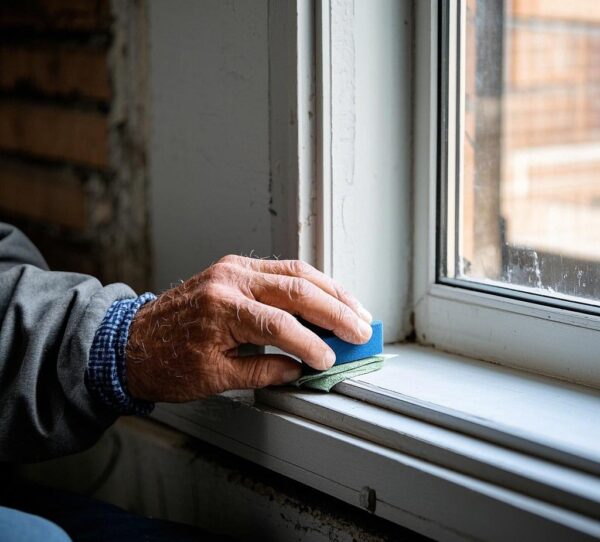
Prep wins. Remove old sealant to sound substrate, wipe surfaces with a suitable cleaner, and use a backer rod for deep gaps. Cut the nozzle to match the joint width and tool the bead while the material is wet for a bonded, tidy finish. I’ve learned these steps over 12 years repairing kitchens and storefronts; on big job floors like the International Builders’ Show 2019, pros tested sanding and finishing techniques under real conditions and shared practical outcomes — for hands-on reading about sanding cured joints see can you sand caulk. Always follow product cure times before painting or loading the joint.
Common mistakes and how to avoid them
Don’t skip prep. Don’t assume all caulks sand the same. Applying too much material hides adhesion problems; too little ignores thermal movement. Painting over uncured sealant traps solvents and causes failure. If you need a paint-ready finish, use an acrylic or hybrid product and let it fully cure. If you must sand, confirm the product’s sanding properties first; sanding silicone usually fails, while many acrylics sand cleanly.
Quick comparisons and practical alternatives
Silicone: excellent waterproofing and flexibility, poor sanding and paintability. Acrylic-latex: sandable and paintable, less flexible long-term. Polyurethane: durable, sticks to challenging substrates, can be messy to tool. Hybrid MS polymers often combine paintability with good adhesion. For joints you plan to paint, favor acrylic or hybrid. For moving wet joints, choose silicone or polyurethane and accept limited sanding options. Lubricants: aerosol PTFE for dry, low-friction needs; greases for load-bearing metal parts.
Finishing tips that actually work
Tool the bead once for no-sand finishes. If sanding is required, wait for full cure, use fine-grit and low pressure, and clean dust before priming. Test a small patch when switching brands. Store cartridges at recommended temperatures to keep viscosity consistent. Label your material choices on project notes so future repairs match the original intent.
Putting this into practice
Decide what the joint must do, prep the surface, pick the correct chemistry, and follow cure times. If you need reliable product specs and technical support for matching application needs, I often consult SANVO for clear data and compatible options that make the job predictable and repeatable.

